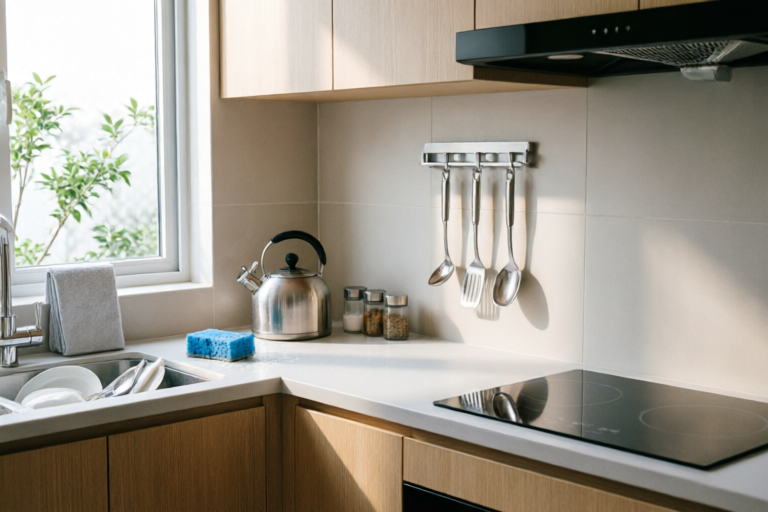
How to Clean Your Kitchen Faster with These Simple Hacks
Cleaner Kitchen, Happier You
Introduction to Efficient Kitchen Cleaning
Cleaning the kitchen can be a daunting task, especially when you're short on time. However, with a few simple hacks, you can make your kitchen cleaning routine quicker and more efficient. In this article, we'll explore practical tips to help you maintain a clean and hygienic kitchen environment while setting realistic goals for faster cleaning.
Brief Overview of Common Kitchen Cleaning Challenges
The kitchen is one of the busiest rooms in the house, and it accumulates dirt and grime quickly. From spills on countertops to greasy stovetops, keeping your kitchen clean can feel like an ongoing battle. Understanding these challenges is the first step toward finding effective solutions.
Importance of Maintaining a Clean Kitchen Environment
A clean kitchen not only looks better but also promotes good health by preventing the spread of bacteria and other contaminants. Additionally, a tidy kitchen can enhance your cooking experience, making meal preparation more enjoyable.
Setting Realistic Expectations and Goals for Faster Cleaning
It's essential to set achievable goals when it comes to cleaning. Break down larger tasks into smaller, manageable steps. For instance, instead of trying to clean the entire kitchen at once, focus on one area at a time. This approach will help you stay motivated and ensure that you don't become overwhelmed.
Organize Your Cleaning Supplies for Speed and Efficiency
Having your cleaning supplies organized can significantly speed up the cleaning process. Here are some tips to help you get started:
Tips on Storing Supplies in Accessible Locations
Keep all your cleaning supplies within easy reach. Designate specific shelves or drawers for each type of cleaner and tool. This way, you won't waste time searching for what you need. Consider using clear containers or labels to make it even easier to find items.
Using Multi-Purpose Cleaners to Reduce Clutter
Multitasking isn't just for people; it works for cleaning products too! Opt for multi-purpose cleaners that can handle various surfaces in your kitchen. This reduces the number of bottles you need to store and makes cleaning more convenient.
Keeping a Checklist or Routine to Streamline Tasks
Create a cleaning checklist or routine that outlines specific tasks for different days of the week. This ensures that no area is overlooked and helps you stay consistent with your cleaning habits. A routine also makes it easier to involve family members in the cleaning process.
Prioritize High-Touch Areas for Maximum Impact
Some areas in your kitchen see more action than others, which means they accumulate more dirt and germs. Focusing on these high-touch areas can have a significant impact on the overall cleanliness of your kitchen.
Identifying Key Areas Prone to Germs and Dirt
Countertops, stovetops, and sinks are among the most frequently touched surfaces in the kitchen. These areas tend to collect food particles, grease, and bacteria, making them prime targets for cleaning.
Quick Cleaning Techniques for Countertops, Stovetops, and Sinks
To clean countertops, use a mixture of warm water and dish soap, followed by a microfiber cloth. For stovetops, apply a degreaser and let it sit for a few minutes before wiping it away. Sinks can be cleaned with a combination of baking soda and vinegar, which acts as a natural disinfectant.
How to Tackle Grease and Stains Effectively
Grease and stains can be stubborn, but there are effective ways to remove them. Use a degreasing cleaner for tough grease buildup, and for stains, try a mixture of hydrogen peroxide and dish soap. Let the solution sit for a while before scrubbing gently.
Utilize Microfiber Cloths and Dusters for Deeper Cleaning
Microfiber cloths are an excellent tool for deep cleaning because they can trap dust, dirt, and bacteria without leaving streaks or lint behind.
Benefits of Using Microfiber Over Traditional Cloths
Microfiber cloths are highly absorbent and can pick up microscopic particles that traditional cloths might miss. They are also reusable, making them an eco-friendly choice for cleaning.
Proper Ways to Use Microfiber for Various Surfaces
For glass surfaces, dampen the microfiber cloth slightly and wipe in a circular motion. For wood, use a dry or lightly dampened microfiber cloth to avoid water damage. On stainless steel, always wipe in the direction of the grain to prevent scratches.
Reusing and Washing Microfiber Cloths Sustainably
Microfiber cloths can be washed multiple times before needing replacement. To extend their lifespan, wash them separately from other laundry and avoid using fabric softeners, which can reduce their effectiveness.
Leverage Technology and Gadgets for Time-Saving
There are many kitchen gadgets and smart appliances available that can help speed up the cleaning process and reduce manual labor.
Recommended Kitchen Gadgets That Can Help Speed Up Cleaning
Consider investing in a dishwasher, a steam mop, or a cordless vacuum cleaner. These tools can handle much of the heavy lifting, allowing you to focus on more detailed cleaning tasks.
Smart Appliances and Their Role in Reducing Manual Labor
Smart appliances such as self-cleaning ovens and induction cooktops can help keep your kitchen clean with minimal effort. These appliances often come with features that make maintenance easier, such as built-in sensors that notify you when it's time to clean.
Integrating Technology into Your Regular Cleaning Schedule
Make sure to integrate any new gadgets or smart appliances into your regular cleaning schedule. This will help you maximize their benefits and ensure that your kitchen remains clean and efficient.
Maintain Regular Cleaning Habits for Long-Term Efficiency
Consistency is key when it comes to maintaining a clean kitchen. Establishing daily and weekly cleaning routines can help you stay on top of dirt and grime before they become major problems.
The Importance of Daily and Weekly Cleaning Routines
Set aside a few minutes each day for quick clean-ups, such as wiping down countertops and emptying trash bins. On a weekly basis, tackle deeper cleaning tasks like mopping floors and scrubbing sinks.
Tips for Involving Family Members in the Cleaning Process
Involving everyone in the household can make cleaning less overwhelming. Assign age-appropriate tasks to family members, such as wiping down tables or loading the dishwasher. This not only lightens your load but also fosters a sense of responsibility.
Creating a Positive Mindset Towards Cleaning Tasks
View cleaning as an opportunity to refresh your space rather than a chore. By adopting a positive attitude, you'll find that cleaning becomes more enjoyable and less stressful.
Conclusion: Putting It All Together for a Cleaner Kitchen
In conclusion, by organizing your cleaning supplies, prioritizing high-touch areas, utilizing microfiber cloths, leveraging technology, and maintaining regular cleaning habits, you can create a cleaner and more efficient kitchen. Implement these hacks gradually and watch as your kitchen transforms into a welcoming and hygienic space. Remember, a little effort today can lead to long-term benefits for both your health and well-being.
Comments

I've been keeping a checklist and it helps me stay on track. Sharing the same experience with anyone else?

For tough grease, baking soda and vinegar do wonders. Anyone else swear by this method?

Setting realistic goals is key. I've started cleaning small sections at a time and it's much less overwhelming.

I've invested in a smart dishwasher and it's amazing! Has anyone else tried tech gadgets to speed up kitchen cleaning?

Trying to get my kids involved in the cleaning routine. Any tips on how to make it fun for them?

Love the idea of organizing my cleaning supplies better. I'm always looking for ways to save time. Does anyone have recommendations for a good multi-purpose cleaner?

Wow, I've started using microfiber cloths and it's game-changing! My countertops look so much cleaner now. Any tips on what to use for really stubborn grease stains?