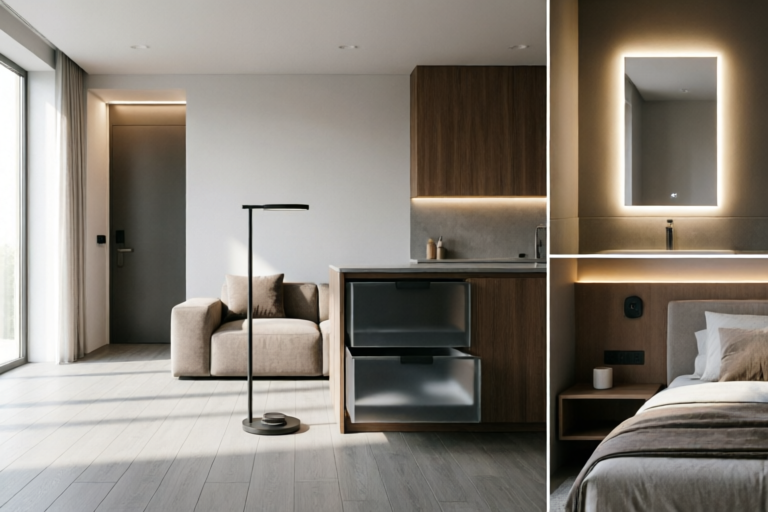
Smart Living Ideas
5 Genius Smart Living Ideas to Transform Your Home
Transform Your Space, Elevate Your Life
# 5 Genius Smart Living Ideas to Transform Your Home
## Introduction: The Rise of Intelligent Living
We stand at the precipice of a technological revolution that is quietly reshaping the very fabric of our domestic lives. The concept of "intelligent living" is no longer the exclusive domain of science fiction movies or early adopters with excessive budgets. It has become an accessible reality for homeowners, renters, and families everywhere who seek a more comfortable, secure, and efficient lifestyle. The rise of smart home technology represents a fundamental shift in how we interact with our environments.
In the past, managing a household was synonymous with physical effort—reaching for light switches, adjusting dials on thermostats, manually locking doors, and remembering to water plants. Today, these tasks have been digitized, streamlined, and often automated. The adoption of smart home devices is driven by several key factors: the desire for enhanced convenience, significant improvements in energy efficiency, heightened security measures, and the sheer novelty of modern innovation. By integrating Internet of Things (IoT) devices into our daily routines, we reclaim valuable time that was previously spent on mundane chores.
This article explores five genius smart living ideas designed to elevate your quality of life. These aren't just gimmicks; they are practical solutions backed by data that show measurable returns in comfort and cost savings. Whether you are looking to reduce your utility bills, protect your family from intruders, or simply never forget to turn off the lights again, there is a smart solution tailored for you. As we dive into these strategies, consider them as stepping stones toward a future-proofed, responsive home environment.
## Genius Idea 1: Automated Lighting and Ambiance
### Optimizing Lighting Schedules
Lighting is the first thing we notice upon entering a room, and yet, it is often one of the most inefficiently used utilities in a house. Traditional incandescent bulbs remain on regardless of whether anyone is present, wasting electricity every day. Automated lighting solves this problem through intelligent scheduling and sensor integration. Smart bulbs, such as those compatible with Philips Hue or LIFX, allow users to program exact on/off times that align with their circadian rhythms.
For instance, you can set your outdoor lights to illuminate automatically at sunset to deter trespassers and welcome guests safely. Indoors, lights can be programmed to gradually brighten in the morning to simulate sunrise, making waking up gentler on the brain compared to a jarring alarm clock. Conversely, a "Goodnight" routine can extinguish all non-essential lights in the house with a single tap. This level of control not only enhances aesthetic appeal but also drastically reduces the carbon footprint of your household lighting.
### Motion Sensors and Energy Efficiency
Beyond timers, the true power of automated lighting lies in motion sensors. By placing these sensors in hallways, bathrooms, and laundry rooms, you ensure that lights are only active when needed. Imagine walking into a dark hallway late at night; motion sensors detect your presence and instantly provide warm illumination, which then turns off automatically after you leave, perhaps after a delay of thirty seconds.
This eliminates the common habit of leaving lights burning in empty rooms. Studies suggest that smart lighting controls can reduce residential energy consumption for lighting by up to 25%. Furthermore, many systems allow you to adjust the color temperature throughout the day. Bright, cool white light during work hours promotes focus, while warmer, dimmer tones in the evening support melatonin production and better sleep hygiene. Integrating these lighting solutions creates an ambiance that adapts to your needs rather than forcing you to adapt to the darkness.
## Genius Idea 2: Smart Thermostats for Climate Control
### Learning Algorithms and Occupancy Patterns
Heating and cooling often account for the largest portion of a household's energy bill. Yet, traditional thermostats lack intelligence; they run on rigid schedules or require manual adjustment. Smart thermostats, such as the Google Nest or Ecobee series, utilize machine learning to understand your preferences and habits. They connect to your Wi-Fi and track when you typically wake up, when you leave for work, and when you return home.
Over a period of two weeks, the thermostat learns your ideal temperatures for different times of the day. It will then pre-cool or heat the house to reach your desired temperature right before you arrive, ensuring comfort without wasting energy while the house is empty. This adaptive behavior is crucial because heating or cooling an unoccupied building is purely wasteful. The system essentially acts as a proactive climate manager, anticipating your needs before you even pick up your phone.
### Remote Access and Zoned Comfort
The convenience extends beyond learning patterns. Smart thermostats offer mobile app integration that allows you to override settings from anywhere in the world. Forgot to lower the AC while leaving for vacation? Do it instantly from the airport gate. Additionally, newer models support multi-zone control. This means that instead of heating the entire garage to the same degree as the bedroom, you can install separate sensors for different areas. This granular control is particularly beneficial in older homes where certain rooms might be drafty or sunny, causing uneven temperature distribution.
By combining remote access with zone-specific monitoring, you achieve a balance between extreme efficiency and peak comfort. Some models even include air quality sensors that detect humidity or poor ventilation, prompting you to open a window or adjust the HVAC fan speed automatically. This holistic approach ensures your home remains a healthy ecosystem, protecting both your wallet and your well-being.
## Genius Idea 3: Proactive Security Systems
### Video Doorbells and Smart Locks
Peace of mind is arguably the most valuable commodity in modern living. Traditional deadbolts are passive barriers that offer protection only until someone bypasses them. Proactive security systems turn passive defense into active monitoring. Video doorbells like Ring or Arlo allow you to see, hear, and speak to visitors via your smartphone, regardless of your location. You can verify who is at the door before deciding to let them in, effectively turning your entranceway into a manned post.
Coupled with smart locks, the security upgrade becomes seamless. You no longer need to worry about lost keys or hiding spare ones under flower pots. You can grant temporary digital access codes to dog walkers, cleaning staff, or friends staying overnight. When the code expires, the access is revoked instantly. This flexibility transforms guest management from a logistical hassle into a streamlined digital process. Furthermore, some advanced systems offer facial recognition, distinguishing between family members, delivery drivers, and strangers.
### Monitoring Cameras and AI Detection
While doorbells handle the perimeter, interior and exterior cameras cover blind spots. Modern surveillance technology is no longer about watching grainy footage for days on end. Artificial Intelligence (AI) now plays a pivotal role in these devices. Advanced cameras can differentiate between a swaying tree branch, a stray animal, a moving person, or a vehicle. This minimizes false alarms, ensuring that you are only notified of genuine threats.
Features like package detection alert you when a delivery has arrived, preventing porch piracy—a growing concern in urban areas. Night vision capabilities ensure that the property is monitored clearly in total darkness. Integrated sirens can also emit high-decibel sounds when suspicious activity is detected, which often serves as an immediate deterrent to intruders. For parents, these cameras provide reassurance by allowing real-time viewing of children playing outdoors or pets alone indoors, bridging the gap between physical absence and digital presence.
## Genius Idea 4: Voice-Activated Ecosystems
### Hands-Free Management with Alexa and Google Home
Central to any modern smart home is the hub—a central assistant that connects disparate devices into a cohesive unit. Amazon Alexa, Google Assistant, and Apple Siri have evolved from novelty gadgets into essential home managers. A voice-activated ecosystem allows you to control lights, music, news updates, and weather forecasts without using your hands. This is particularly useful in scenarios like cooking, where your hands are full of ingredients, or while driving, where safety dictates minimal distraction.
You might command your assistant to "dim the living room lights to 50%" or "play jazz in the kitchen." The device processes the request via the cloud and sends a signal to the respective smart appliance. This synchronization creates an experience where the technology seems invisible, serving the user intuitively. Over time, voice assistants can learn context, responding to commands like "turn on the reading light" specifically by identifying which lamp is designated for reading in a previous setup.
### Creating Custom Routines
The true brilliance of voice ecosystems lies in the ability to create custom "Routines" or "Scenes." A routine bundles multiple actions triggered by a single voice command. For example, saying "I’m going to bed" could trigger a cascade of events: the front door locks engage, the garage door closes, the bedroom lights turn off, the thermostat adjusts to sleep mode, and the curtains begin to close.
Conversely, a "Good Morning" routine might start with the blinds opening slowly, the coffee maker brewing, and a summary of today's schedule read aloud. For families, these routines reduce cognitive load. Instead of managing five different apps on your phone to prepare the house for the night, you execute one simple spoken phrase. This unification of tasks simplifies daily operations, making the home feel truly "alive" and responsive to its inhabitants.
## Genius Idea 5 & Conclusion: Connected Appliances and Next Steps
### Reviewing Smart Kitchen Tools
Our final genius idea focuses on the heart of the home: the kitchen. While often overlooked in the initial stages of automation, smart appliances offer unique conveniences. Smart refrigerators can scan contents internally via cameras, allowing you to check what you have for dinner while standing in the grocery store aisle. They can also alert you when milk is about to expire, reducing food waste significantly.
Smart ovens and coffee makers take this a step further. An oven connected to your calendar can be preheated automatically just before you finish work, so your meal is ready upon arrival. Programmable coffee makers can start brewing right when your alarm goes off, ensuring that the aroma greets you instantly. Washing machines and dryers send notifications when their cycles are complete, preventing wrinkled clothes and forgotten loads. These appliances streamline household logistics, turning chore-based friction into background automation.
### Actionable Steps to Start Your Smart Upgrade Journey
Transitioning to a smart home does not require rebuilding your entire infrastructure overnight. Here are actionable steps to begin your upgrade journey:
1. **Audit Your Needs:** Identify the pain points in your daily routine. Do you frequently leave lights on? Do you worry about security? Prioritize the problems that cause the most frustration.
2. **Check Connectivity:** Ensure your Wi-Fi network is robust enough to handle additional devices. Consider upgrading to a mesh Wi-Fi system if you have dead zones, especially for battery-operated sensors located far from the router.
3. **Start Small:** Begin with a universal smart plug or a single voice speaker. Test the reliability and ease of use before committing to expensive installations.
4. **Ecosystem Consistency:** Choose a primary ecosystem (Apple HomeKit, Google Home, or Amazon Alexa) to ensure compatibility among devices. Mixing brands can lead to integration headaches later.
5. **Safety First:** Always follow manufacturer guidelines for installation. For high-voltage appliances like smart thermostats, consult a professional electrician if you are unsure.
### Conclusion
Embracing smart living is about creating a space that works for you, not the other way around. From the energy-saving benefits of automated lighting and climate control to the security enhancements of AI-driven monitoring and the seamless convenience of voice activation, these five ideas represent the pinnacle of modern domestic technology. By implementing these genius smart living ideas, you are not just buying gadgets; you are investing in a lifestyle characterized by greater efficiency, safety, and leisure.
As technology continues to advance, the boundaries between human and machine interaction will blur even further. However, the core principle remains constant: technology should serve humanity. By taking these first steps today, you lay the foundation for a home that evolves with you, adapting to your changing needs and preferences. Start small, think strategically, and enjoy the rhythm of intelligent living. Your future self will thank you for the time saved and the peace of mind gained.
Comments

jenn_if
Looked at the smart fridge ideas. Seems crazy expensive haha. Just sticking to smart coffee maker for now :)
👍 23👎 0

budget_brian
Starting small with smart plugs since i dont wanna drop cash yet. Works surprisingly well for the price point.
👍 2👎 0

curious_george
Anyone else find the security cameras laggy? Mine take forever to load the live feed. Feels kinda pointless.
👍 14👎 0

homemaker_helen
Been using the voice assistant trick to turn off appliances. Saved us from leaving the iron on twice already lol. Good article!
👍 4👎 0

mike_tech
quick q, do these thermostats play nice with older HVAC units? mine is from 2010 hoping its compatible.
👍 28👎 0
sarah_j
Just switched on the motion lights in the hall. Huge help for late night bathroom trips! Finally stop tripping over myself 🙃
👍 18👎 0