How to Save Money on Groceries Without Sacrificing Quality
Balanced Budget, Quality Food
Introduction to Saving on Groceries While Maintaining Quality
Grocery shopping can be a daunting task, especially when trying to balance your budget with the desire for high-quality food. Many people find themselves caught between spending too much and compromising on the nutritional value of their meals. This article aims to provide practical advice on how to save money on groceries without sacrificing quality.
Smart grocery shopping is crucial for personal finance management. By adopting the right strategies, you can enjoy nutritious meals while staying within your budget. In this guide, we will explore various methods to help you achieve this balance.
Plan Your Meals and Make a Shopping List
The Benefits of Meal Planning
Meal planning is one of the most effective ways to save money on groceries. It helps you avoid impulse buys and ensures that you only purchase what you need. By planning your meals in advance, you can also take advantage of sales and promotions, further reducing your grocery bill.
How to Create an Effective Shopping List
To create an effective shopping list, start by reviewing your pantry and refrigerator. Make sure to note down all the ingredients you already have so you don't buy duplicates. Next, plan your meals for the week and write down the necessary ingredients. This will not only help you stick to your budget but also reduce food waste.
Tips for Organizing Your Pantry
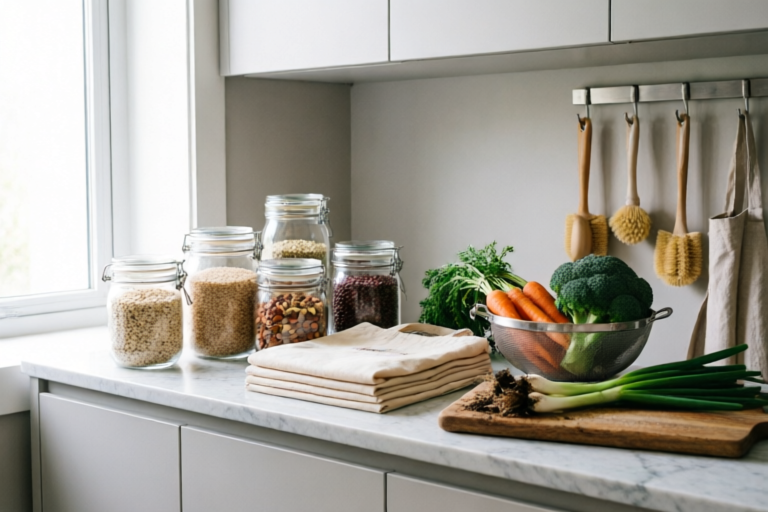
Organizing your pantry is essential for reducing waste and making the most of your groceries. Use clear containers to store dry goods and label them with the date of purchase. This will help you keep track of expiration dates and ensure that older items are used first. Additionally, regularly clean out your pantry to remove any expired or spoiled items.
Shop Seasonal and Local Produce
Why Buying Seasonal and Local Produce is Cheaper and Healthier
Seasonal and locally sourced produce is often cheaper than imported fruits and vegetables because it doesn't require as much transportation or refrigeration. Moreover, it is fresher and more nutritious. By choosing seasonal produce, you can also support local farmers and reduce your carbon footprint.
Resources for Finding Local Farmers' Markets or Community-Supported Agriculture (CSA) Programs
To find local farmers' markets or CSA programs in your area, check online directories such as LocalHarvest.org or visit your city's official website. Many communities also offer community-supported agriculture programs where you can subscribe to receive a weekly box of fresh produce directly from local farms.
How to Identify Peak Seasons for Various Fruits and Vegetables
To make the most of seasonal produce, it's helpful to know when certain fruits and vegetables are at their peak. For example, strawberries are typically in season from May to June, while apples are available from August to October. You can find detailed information about peak seasons for various produce on websites like the National Gardening Association or the USDA.
Use Coupons, Discounts, and Loyalty Programs Wisely
Understanding Different Types of Discounts Available at Supermarkets
Supermarkets offer a variety of discounts, including manufacturer coupons, store coupons, and digital coupons. Manufacturer coupons are issued by the brand and can be found in newspapers, magazines, or online. Store coupons are specific to the supermarket chain and are often included in their weekly circulars. Digital coupons can be downloaded from the supermarket's app or website.
Techniques for Effectively Using Coupons Without Compromising on Quality
When using coupons, it's important to be strategic. Only use coupons for items you would normally purchase. Avoid buying items just because they are on sale or have a coupon. Additionally, check the expiration dates of coupons and use them before they expire. Finally, always compare prices between brands and generic products to ensure you are getting the best deal.
The Pros and Cons of Joining Store Loyalty Programs
Store loyalty programs offer rewards for frequent shoppers, such as points, discounts, or free products. However, they can also lead to increased spending if you feel pressured to shop more frequently. Before joining a loyalty program, consider whether it aligns with your shopping habits and whether the rewards are worth the effort.
Buy in Bulk When Appropriate
Identifying Non-Perishable Items Suitable for Bulk Purchasing
Bulk purchasing can be a great way to save money on non-perishable items such as rice, pasta, canned goods, and cleaning supplies. These items have a long shelf life and can be stored easily. However, it's important to only purchase items you will actually use, as storing excess inventory can lead to waste.
Comparing Prices Between Bulk and Regular Packaging Sizes
Before buying in bulk, compare the price per unit between bulk and regular packaging sizes. Sometimes, buying in bulk may not be the best option if the regular size offers a better price per unit. Additionally, consider the storage space required for bulk items and whether it fits into your kitchen or pantry.
Storage Tips for Keeping Bulk Purchases Fresh Longer
To extend the shelf life of bulk purchases, store them in airtight containers or bags. For dry goods, consider using vacuum-sealed bags or canisters to prevent moisture and pests. For liquids, store them in sealed containers and place them in a cool, dark location. Regularly check the condition of your bulk items and use them before they expire.
Cook from Scratch and Reduce Food Waste
Advantages of Cooking Homemade Meals Over Pre-Packaged Options
Cooking homemade meals offers numerous advantages over pre-packaged options. Not only are homemade meals generally healthier, but they also allow you to control the ingredients and portion sizes. Additionally, cooking at home can be a fun and rewarding activity that brings families together.
Strategies for Minimizing Food Waste Through Proper Storage and Portion Control
To minimize food waste, practice proper storage techniques and control portion sizes. Store perishable items in the refrigerator or freezer and use them before they spoil. Use smaller plates and bowls to control portion sizes and avoid overeating. Additionally, plan meals around the items you have on hand to reduce the likelihood of unused ingredients going bad.
Creative Ways to Use Leftovers to Save Money and Reduce Environmental Impact
Leftovers can be a great way to save money and reduce environmental impact. Consider repurposing leftovers into new dishes such as soups, salads, or casseroles. Freeze leftovers in individual portions for easy reheating during busy weeks. Get creative with your leftovers and turn them into exciting new meals!
Conclusion: Balancing Budget and Quality in Grocery Shopping
In conclusion, balancing your grocery budget with maintaining high-quality food choices requires careful planning and strategic decision-making. By following the tips outlined in this guide, you can save money on groceries while still enjoying nutritious and delicious meals. Remember to adopt these practices gradually and adapt them to your personal preferences. With time and practice, you'll find that achieving your financial goals and enjoying healthy meals go hand in hand.
Comments

Meal planning and shopping local has really helped me eat healthier without breaking the bank. Anyone else feel the same?

I tried buying in bulk but ran out of space. Any tips on storing bulk items without taking over the kitchen?

Reducing food waste has been a game changer. I now use every part of my veggies. Does anyone have creative leftover recipes?
I started buying seasonal produce and noticed a huge difference in taste and price. Anyone know good resources for finding local farms?

Using coupons has cut my grocery bill by 20%! But sometimes I end up with too many items. Any advice on avoiding that?
Cooking from scratch has saved me so much money. Any tips on how to make bulk buying more manageable?

I've been meal planning for a month now and it really helps with cutting down on impulse buys! Anyone else find that joining a CSA is super cost-effective?