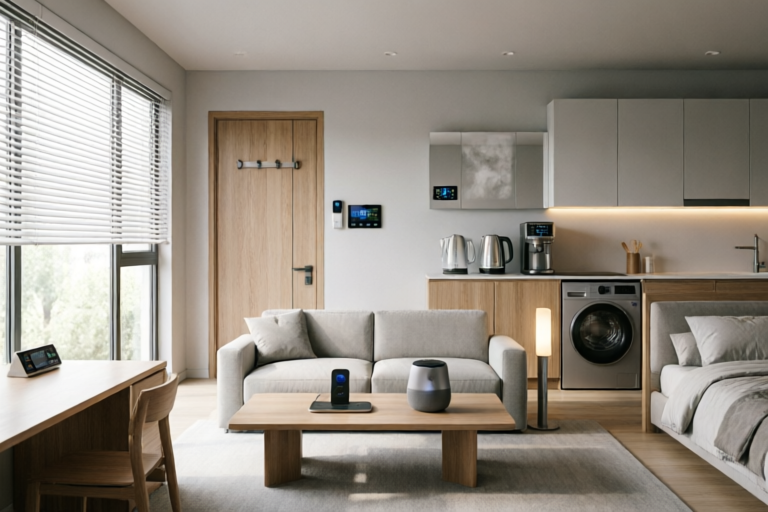
Smart Living Ideas
Top Smart Living Hacks To Try
Future Home, Smarter Today
## Introduction to Modern Smart Living
In an era defined by rapid technological advancement, the concept of the modern home has evolved from a static shelter into a dynamic, responsive ecosystem known as smart living. This phenomenon is not merely about owning the latest gadgets; it is fundamentally about creating an environment that anticipates needs, streamlines workflows, and enhances overall quality of life. At its core, smart living refers to the integration of internet-connected devices into residential settings, allowing them to interact with one another and with their human inhabitants. This Internet of Things (IoT) revolution transforms everyday objects—like light bulbs, refrigerators, thermostats, and locks—into intelligent tools designed to optimize daily routines.
The primary advantages of embracing smart living are manifold, centering around three pillars: convenience, cost-saving, and enhanced comfort. Convenience is perhaps the most immediately noticeable benefit. Imagine walking through your front door after a long day, only for the hallway lights to turn on softly, your preferred temperature to adjust automatically, and your favorite playlist to begin streaming in the background. This level of seamless interaction removes friction from the day-to-day grind. Furthermore, cost-saving is a major driver for adoption. While the initial investment in smart technology can be significant, the long-term return on investment through reduced energy consumption and utility bills often outweighs the upfront costs. Enhanced comfort follows naturally; a home that adjusts to your circadian rhythm, locks itself when you leave, and alerts you to potential hazards provides a sense of security and peace of mind that traditional homes struggle to replicate.
As we delve deeper into the intricacies of integrating these technologies, it becomes evident that smart living is accessible to everyone, regardless of budget or technical expertise. Whether you are renting an apartment or own a sprawling estate, there are scalable solutions available. However, successful implementation requires strategy rather than just accumulation of devices. By following a structured approach to automation, energy management, and security, homeowners can transform their residences into efficient sanctuaries. This comprehensive guide will walk you through the essential hacks necessary to master the art of smart living, ensuring you maximize both functionality and comfort.
## Automating Household Tasks
One of the most transformative aspects of smart living is the ability to automate mundane household tasks. Automation reduces cognitive load and frees up valuable time for activities that matter more, such as hobbies, relaxation, or spending time with loved ones. The foundation of this automation lies in integrating voice assistants and smart infrastructure effectively.
### Voice Assistants as Your Chief of Staff
Voice assistants like Amazon Alexa, Google Assistant, and Apple Siri have evolved from simple curiosity toys into central command centers for the home. To truly leverage them, users should set up complex routines rather than isolated commands. For instance, instead of asking for the lights to turn off and the thermostat to adjust separately, create a "Good Night" routine. With this single trigger, the system can lock the doors, arm the security system, lower the blinds, dim the lights, and even start the vacuum robot cleaning schedule simultaneously.
For optimal performance, invest in compatible devices that communicate natively with the assistant you choose. Consider setting up different profiles for family members if possible, ensuring that personalized preferences are respected. Parents might want to restrict certain skills for children, while adults may require access to banking or calendar management via voice. The key is consistency; once you establish the verbal shortcuts for common commands, they become second nature, significantly speeding up interactions.
### Smart Plugs and Lights for Seamless Control
While voice control is powerful, physical interface redundancy ensures reliability during network outages. Smart plugs offer an affordable entry point into home automation. They allow non-smart appliances to become controllable via apps or voice. A classic hack involves plugging a coffee maker into a smart plug and scheduling it to activate twenty minutes before you wake up. Another creative use is controlling lamps in a way that mimics occupancy when traveling, deterring burglars by making it appear someone is home.
Lighting automation extends beyond simple on/off switches. Smart LED bulbs can adjust color temperature throughout the day to support circadian rhythms. Warm, amber tones in the evening promote melatonin production and better sleep, while cooler, brighter whites in the morning mimic sunlight to boost alertness. Grouping lights by room or zone allows for scene creation. For example, the "Movie Mode" scene dims all lights except for a bias light behind the television, creating an immersive cinema experience instantly. By combining smart plugs with advanced lighting systems, you create a flexible infrastructure that adapts to your lifestyle changes over time.
## Maximizing Energy Efficiency
Beyond mere convenience, smart living plays a crucial role in environmental sustainability and financial prudence. Monitoring and managing energy consumption is where the true value of smart technology shines for many households. Utility bills often fluctuate due to inefficient heating, cooling, and idle electronics. Smart devices provide the insights needed to curb this waste.
### Smart Thermostats: Learning Your Habits
Traditional thermostats operate on fixed schedules or manual adjustments, neither of which accounts for real-time variables. A smart thermostat, however, uses algorithms and motion sensors to learn your daily patterns. Over time, it understands when the house is typically empty and when occupants return. It then optimizes heating and cooling cycles to minimize waste without sacrificing comfort. Many models also integrate weather forecasts, pre-cooling the house during a heatwave before you arrive home, thereby utilizing cheaper electricity rates if time-of-use pricing is active.
Furthermore, energy monitoring features within these devices provide monthly reports comparing current usage to previous months. This transparency encourages behavioral changes. Seeing the immediate impact of leaving a window open or raising the AC temperature can motivate residents to adopt energy-conscious habits. Some systems even detect HVAC issues, sending alerts when filter replacements are needed or if airflow is restricted, preventing costly repairs down the line.
### Energy Monitors and Usage Tracking
To gain granular control, whole-home energy monitors can be installed at the main electrical panel. These devices track the flow of electricity through different circuits. You can identify exactly which appliances are consuming the most power. Often, the culprit isn't the big appliances like washing machines but "vampire power" drawn by chargers, gaming consoles, or entertainment centers left on standby. Smart plugs with energy monitoring capabilities allow you to cut power to these circuits entirely when not in use.
Implementing these strategies requires a shift in mindset regarding consumption. When users see real-time data visualized in their smartphones, they develop a stronger connection to their resource usage. In conjunction with renewable energy sources like solar panels, smart living allows for battery management strategies where stored energy is used during peak pricing hours. This holistic approach to energy efficiency not only lowers carbon footprints but also insulates the household from volatile energy market fluctuations.
## Enhancing Home Security
Safety is a paramount concern for any homeowner. Smart security systems have moved far beyond simple alarm bells. They now offer comprehensive visibility and control that empowers owners to monitor their property remotely. From package theft protection to intrusion prevention, smart devices act as a formidable deterrent and response mechanism.
### Video Doorbells and Visual Verification
Video doorbells have become the frontline of modern home security. They combine video recording, two-way audio, and motion detection into a compact device. The practical advantage is instant notification. If someone approaches the door, you receive a push notification immediately. Unlike a mechanical mail slot where deliveries can be stolen unnoticed, a video doorbell captures footage of who delivered the package. Many models feature AI recognition, distinguishing between people, vehicles, animals, and stationary objects to reduce false alarms.
Integration is key here. When the doorbell detects a visitor, it can automatically trigger interior lights to illuminate the porch area. If you are away, you can speak to delivery personnel or delivery drivers directly through the app to give instructions or verify identity. For families, this adds a layer of safety for children opening the door. Additionally, cloud storage options ensure that evidence is preserved securely, even if the physical device is tampered with.
### Smart Locks and Intrusion Detection
Physical entry points remain the most vulnerable areas in a home. Smart locks eliminate the risk of lost keys and provide detailed logs of entry and exit times. They are ideal for parents with young children who frequently forget homework or for individuals who host frequent service providers like cleaners or maintenance workers. Temporary access codes can be generated for a specific time frame, revoking entry rights automatically after the job is done. This eliminates the need to change deadbolt hardware or collect physical keys back.
Complementing locks are indoor intrusion detection systems. PIR motion sensors placed in hallways or entryways can trigger alerts if movement is detected when the system is armed. Advanced systems differentiate between pets and humans, reducing anxiety over triggered alarms. Cameras hidden in outdoor smart speakers or security cameras covering blind spots complete the network. It is vital, however, to practice strong cybersecurity hygiene. Using unique passwords, enabling two-factor authentication, and regularly updating firmware protects these devices from external hacking attempts, ensuring your home remains a private sanctuary.
## Promoting Digital Wellness
While technology offers immense benefits, unchecked reliance on devices can lead to burnout, anxiety, and disrupted sleep patterns. Therefore, a truly balanced smart home includes strategies to manage technology addiction. Digital wellness tools help establish healthy boundaries between work, leisure, and rest.
### Setting Boundaries with App Limiters
Modern operating systems and router-level controls offer sophisticated app limiting capabilities. These tools allow you to set screen time quotas for specific applications or devices. For teenagers, this can prevent excessive social media usage during study hours. For adults, it can enforce a "digital curfew" after a certain time at night. By routing traffic through smart routers, you can pause internet access for tablets or phones in bedrooms at night, encouraging better sleep hygiene.
Additionally, smart home environments can support this goal. When a user sets their phone to "Do Not Disturb," the home automation system can recognize this status. It might dim the screens on televisions or slow down notifications sent to the smart display, respecting the user's need for disconnection. This creates an environment where technology serves the human, not the other way around.
### Wearables for Health and Mindfulness
Wearable health trackers sync seamlessly with smart home ecosystems. Data from fitness watches regarding heart rate variability, stress levels, or sleep quality can trigger ambient adjustments in the home. If a wearable detects high stress late in the evening, smart lights could shift to warmer hues and play calming sounds. Sleep tracking data can inform the smart blinds to close earlier, darkening the room for restorative sleep.
Moreover, mindfulness reminders can be automated. Meditation apps integrated with voice assistants can guide breathing exercises, while air purifiers can run quietly in the background to improve oxygen levels during these sessions. By correlating physical health data with environmental adjustments, the smart home becomes a proactive partner in maintaining personal well-being, shifting the focus from passive consumption to active health management.
## Conclusion and Implementation Tips
Transitioning to a smarter home is a journey, not a destination. The landscape of Internet of Things devices is vast, and attempting to retrofit an entire house overnight can be overwhelming and counterproductive. The secret to success lies in gradual adoption and thoughtful planning.
### Start Small, Scale Gradually
The best advice for beginners is to start with low-hanging fruit. Begin with a single voice assistant and one or two smart bulbs. Experience how automation feels before expanding. Once comfortable with basic control, move to energy-intensive areas like the thermostat or security door locks. Prioritize investments that solve immediate pain points, such as forgotten keys or high utility bills, rather than buying devices that sound cool but add little practical value. As your budget allows and your confidence grows, you can introduce more complex integrations involving hubs and centralized dashboards.
Compatibility is a critical factor. Look for devices that support universal standards like Matter, which allows products from different manufacturers to work together seamlessly. Avoid getting locked into proprietary ecosystems unless you plan to stay exclusively within that brand. Regularly review your network settings to ensure security updates are applied. Remember, the goal of smart living is to simplify your life, not complicate it with broken connections or confusing apps.
### Final Thoughts
Embracing smart living represents a commitment to innovation and self-improvement. By automating chores, optimizing energy usage, securing our premises, and protecting our digital sanity, we reclaim time and create safer, more comfortable environments. The technology discussed today—from smart thermostats to wellness wearables—is mature enough to provide tangible returns immediately. Whether you are looking to reduce your carbon footprint, increase safety against intruders, or simply find joy in waking up to warm coffee brewed automatically, there is a solution available.
We encourage you to take that first step today. Identify one chore you dislike doing every day and explore how smart tech can remove it. The future of home living is here, and it is waiting for you to unlock its full potential. Transform your space into a haven of intelligence and comfort, starting right now.
Comments

SlowBuildTom
don't rush to get everything at once! learned that the hard way last year 😅 take it slow
👍 25👎 0

NoMoreScroll
been wanting to do digital detox stuff. the app limiter helped me stop doom scrolling on weekends.
👍 14👎 0

CatMom_Sarah
tried the smart lock but my cat keeps pushing through the door... maybe need a pet sensor lol jk
👍 6👎 0

GreenThumb_Gina
saved like $40 on electric last month thanks to the thermostat tip. highly recommend checking your usage first.
👍 14👎 0

TechDad_Mike
quick q – does anyone else hate how their wifi dies when devices connect? struggling with the hub part.
👍 14👎 0

CoffeeLover99
lol actually got the smart plugs working today. my house smells like coffee at 7am now ☕️
👍 12👎 0