7 Easy Money-Saving Hacks for Renters and Homeowners
Save Money on Housing: Smart Tips for Renters and Homeowners
Introduction
Whether you're a renter or a homeowner, managing housing costs can be one of the most significant financial challenges. High utility bills, unexpected repairs, and rising property taxes can strain even the best budget. However, there are several easy yet effective ways to save money on housing costs. In this article, we'll explore seven money-saving hacks that can help both renters and homeowners reduce their expenses and improve their financial stability.
1. Energy Efficiency: Lower Your Utility Bills
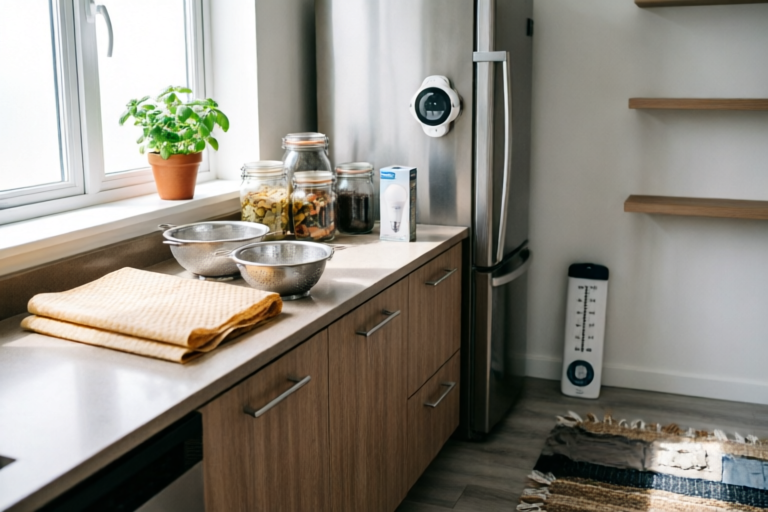
One of the easiest ways to save money on housing costs is by improving energy efficiency. By reducing electricity, water, and heating costs, you can lower your monthly utility bills significantly. Here are some tips to get started:
- Switch to LED lighting: LED bulbs use up to 85% less energy than traditional incandescent bulbs and last much longer.
- Install programmable thermostats: These devices allow you to set specific temperatures for different times of the day, helping you save on heating and cooling costs.
- Fix leaks: A dripping faucet or leaky pipe can waste gallons of water each month. Fixing these issues can save you money on water bills and prevent costly damage.
In addition to these simple changes, consider making some DIY home improvements to increase energy efficiency. For example, adding weatherstripping around doors and windows can help keep cold air out during winter and hot air out during summer. The initial investment may seem high, but the long-term energy savings will more than make up for it.
2. Smart Shopping for Home Supplies
Another way to save money on housing costs is by being smart about your shopping. Whether you're buying appliances, furniture, or decor, there are several strategies you can use to find discounts and save money:
- Compare prices: Before making a purchase, compare prices across different retailers. Online marketplaces like Amazon, eBay, and Wayfair often offer competitive prices.
- Use coupons and cashback offers: Many stores and online retailers offer coupons and cashback deals. Take advantage of these offers to save money on your purchases.
- Shop second-hand: Thrift stores, flea markets, and online marketplaces like Craigslist and Facebook Marketplace offer affordable options for home supplies.
By being strategic about your shopping, you can save money on essential home items and enjoy long-term savings.
3. Maintenance and Repairs: Do It Yourself (DIY)
Maintenance and repairs can be expensive, but many common household issues can be addressed with basic DIY skills. By learning how to perform simple repairs, you can save money on professional services and extend the life of your home's systems and appliances. Some common DIY projects include:
- Fixing leaky faucets: A leaky faucet can waste water and increase your water bill. With a few tools and a little know-how, you can fix it yourself.
- Replacing light switches: If a light switch isn't working properly, replacing it is a quick and easy DIY project.
- Sealing gaps around windows and doors: Sealing gaps can help reduce drafts and improve energy efficiency.
There are many resources available for learning basic maintenance skills, including online tutorials, books, and local community classes. By investing time in learning these skills, you can save money on repairs and improve the overall condition of your home.
4. Renters: Leverage Rental Agreements
If you're a renter, there are several ways to negotiate better terms with your landlord and secure a rental agreement that suits your budget. Here are some tips:
- Negotiate rent: If you've been a good tenant and have kept the property in good condition, you may be able to negotiate a lower rent. Be prepared to offer concessions, such as a longer lease term or a higher security deposit.
- Understand lease agreements: Read your lease agreement carefully to avoid hidden fees. Make sure you understand what's included in your rent and what additional costs you may incur.
- Secure a pet-friendly rental: If you have pets, look for rentals that allow them. Many landlords charge extra for pets, so finding a pet-friendly rental can save you money.
By leveraging rental agreements, you can save money on housing costs and create a more comfortable living environment.
5. Homeowners: Manage Property Taxes Wisely
Property taxes can be a significant expense for homeowners. To manage property taxes wisely, it's important to understand the tax system and take advantage of available exemptions and deductions. Here are some tips:
- Claim exemptions and deductions: Many states offer property tax exemptions and deductions for homeowners. Check with your local tax authority to see if you qualify.
- Appeal your property tax assessment: If you believe your property has been overvalued, you may be able to appeal the assessment. This can result in lower property taxes.
- Budget for property taxes: Property taxes are typically paid twice a year. To avoid surprises, budget for these payments throughout the year.
By managing property taxes wisely, you can reduce your housing costs and improve your overall financial stability.
6. Reduce Waste and Save on Disposal Fees
Reducing waste production at home can save you money on disposal fees and help protect the environment. Here are some tips for minimizing waste:
- Compost food scraps: Composting food scraps reduces the amount of waste sent to landfills and provides nutrient-rich soil for gardening.
- Recycle: Recycle paper, plastic, glass, and metal to reduce waste and save on disposal fees.
- Buy in bulk: Buying in bulk reduces packaging waste and can save money in the long run.
By reducing waste, you can save money on disposal fees and contribute to a healthier planet.
Conclusion
In conclusion, there are many easy ways to save money on housing costs whether you're a renter or a homeowner. By improving energy efficiency, being smart about your shopping, performing DIY maintenance, negotiating better rental terms, managing property taxes, and reducing waste, you can reduce your expenses and improve your financial stability. Implementing these strategies will not only save you money in the short term but also provide long-term benefits. Remember, proactive cost management is key to maintaining a healthy financial situation, especially when it comes to housing.
Comments

I've been doing some simple home improvements to boost energy efficiency. Anyone got any other ideas?

Reducing energy use is key. Anyone switched to LED bulbs and noticed a difference?

Managing property taxes is tricky. Has anyone successfully appealed an assessment?

Negotiating with landlords is tough. Did anyone have luck getting a lower rent or better terms?

The waste reduction tips really helped cut down my disposal fees. Anyone tried composting yet?

Love the smart shopping tips! Anybody know good websites for comparing appliance prices?

I've been trying the DIY repairs and it's saved me a ton! Anyone else find it easier to fix small stuff like leaky faucets themselves?