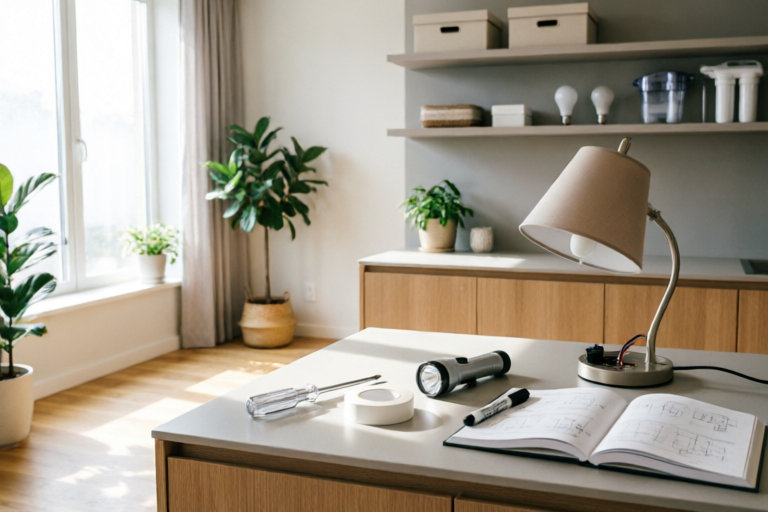
How to Fix Common Home Issues on a Budget: A Beginner's Guide
DIY Home Fixes on a Budget
Introduction
Homeownership comes with its fair share of challenges, but many common issues can be resolved inexpensively through do-it-yourself (DIY) fixes. Not only can these fixes save you money, but they also provide an opportunity to learn valuable skills. From minor plumbing repairs to electrical troubleshooting, this guide will walk you through the steps to address common home issues on a budget.
1. Assessing Your Home for Common Issues
Identifying Problem Areas in Your Home
The first step in fixing any issue is identifying it. Walk through your home and look for signs of wear and tear, such as peeling paint, cracks in walls, or water damage. Pay special attention to areas that are prone to moisture, like bathrooms and kitchens.
Prioritizing Repairs Based on Urgency and Cost-Effectiveness
Not all problems need immediate attention. Prioritize repairs based on their potential impact on your home’s structure, safety, and value. For example, a small leak in a bathroom faucet may not be urgent, but a leaking roof could cause significant damage if left unchecked.
2. Basic Tools and Materials Every Homeowner Should Have
Essential Tools for DIY Projects
Having the right tools can make DIY projects easier and more efficient. Some essential tools include:
- Phillips and flathead screwdrivers
- Hammer
- Utility knife
- Level
- Measuring tape
- Wrench set
- Plunger
Affordable Materials for Quick Fixes
Stock up on basic materials that can help you address a wide range of issues:
- Duct tape: Useful for temporary repairs and insulation.
- Weatherstripping: Great for sealing gaps around doors and windows.
- Plumbing tape: Essential for tightening connections and preventing leaks.
- Paint: A fresh coat can cover up imperfections and improve curb appeal.
3. Fixing Leaky Faucets and Pipes
Steps to Diagnose and Repair Leaky Faucets
Leaky faucets are one of the most common plumbing issues homeowners face. Follow these steps to diagnose and fix the problem:
- Turn off the water supply: Locate the shut-off valve under the sink and turn it clockwise.
- Remove the handle: Use a screwdriver to remove the handle and access the inner workings of the faucet.
- Replace the washer or O-ring: If the leak is coming from the spout, replace the washer or O-ring. If the leak is from the handle, replace the cartridge or ball.
- Reassemble and test: Put everything back together and turn the water supply back on to test the repair.
Tips for Preventing Future Leaks
To prevent future leaks, ensure that all connections are tight and use plumber's putty or Teflon tape when necessary. Regularly check your pipes for signs of wear and replace old or damaged parts before they become problematic.
4. Addressing Minor Electrical Problems
How to Safely Check and Fix Minor Electrical Issues
Electrical issues can be dangerous if not handled properly. Always turn off the power at the circuit breaker before attempting any repairs. Here’s how to address some common electrical problems:
- Flickering lights: Check the light bulbs and replace them if necessary. Ensure that the wiring is secure and there are no loose connections.
- Tripped circuit breakers: Reset the breaker by turning it off and then back on. If it trips again, investigate the cause and unplug devices that may be drawing too much power.
- Buzzing outlets: Inspect the outlet for signs of wear and replace the receptacle if needed. Make sure the wiring is properly connected.
Preventive Measures to Avoid Bigger Problems
To avoid major electrical issues, have your home’s electrical system inspected periodically by a licensed electrician. Ensure that all circuits are properly labeled and that your home has adequate grounding.
5. Maintaining Your HVAC System
Simple Ways to Keep Your Heating, Ventilation, and Air Conditioning System Running Smoothly
Maintaining your HVAC system is crucial for energy efficiency and comfort. Here are some simple maintenance tasks you can perform:
- Change air filters regularly: Dirty filters reduce airflow and can lead to higher energy bills.
- Clean vents and registers: Dust and debris can accumulate over time, blocking airflow.
- Check the thermostat: Ensure that the thermostat is functioning correctly and set to the appropriate temperature.
Cost-Effective Maintenance Tips
In addition to regular cleaning, consider having your HVAC system professionally serviced annually. This can help identify potential issues early and extend the life of your equipment.
6. Final Thoughts and Resources
Recap of Key Points Discussed in the Guide
This guide has covered a variety of common home issues, including plumbing, electrical, and HVAC maintenance. By following these tips, you can save money and avoid costly repairs. Remember to always prioritize safety and consult a professional if you're unsure about handling a particular issue.
Additional Resources for Further Learning and Support
For more information on DIY home repairs, consider visiting websites like Family Handyman or HGTV. These resources offer detailed tutorials and advice on a wide range of home improvement topics.
Comments

I fixed two faucets already! Wish I had found this guide sooner.

Thanks for the tool list. Now I know what to buy before starting my next project.

This is exactly what I needed! Just fixed my light switch and it only cost me $3.

Tried the pipe repair, but it didn't work. Anyone else have this issue?

I've been using these HVAC tips for a year now, and my bills are way down. Love it!

Great tips! I'm still a bit scared to tackle the electrical stuff though. Any advice for beginners?

Finally got around to fixing that leaky faucet! Saved me $50 on a plumber. Thanks for the step-by-step guide!