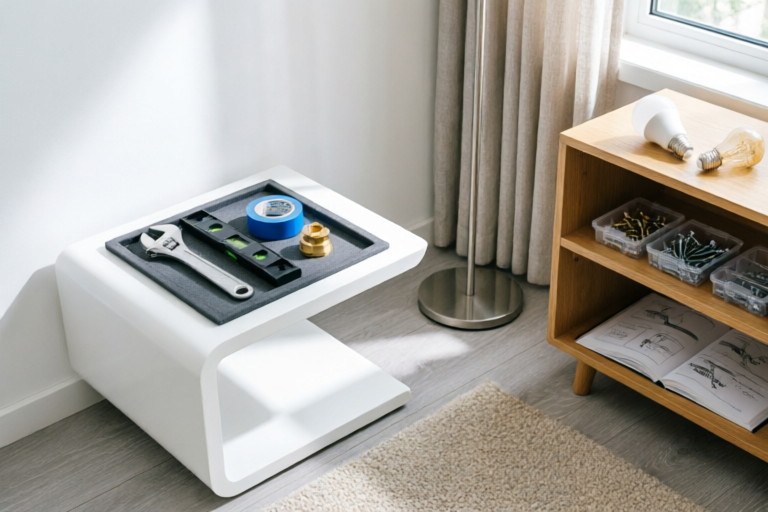
How to Fix Common Home Issues Without Hiring a Pro
Take Control of Your Home Repairs
Introduction to DIY Home Repairs
Homeowners often face various issues that require immediate attention. While some problems may necessitate professional intervention, many common home issues can be resolved with simple DIY fixes. Not only does this save you money, but it also provides an opportunity to develop practical skills and enhance your understanding of your home's systems. However, before diving into any DIY project, it is crucial to prioritize safety and take necessary precautions.
Overview of Common Home Issues
Common home issues range from minor inconveniences like leaky faucets to more significant concerns such as clogged drains or malfunctioning electrical outlets. These problems can disrupt daily life and potentially lead to more extensive damage if left unattended. Fortunately, most of these issues are manageable with basic tools and knowledge.
Benefits of DIY Repairs
- Cost Savings: Hiring professionals can be expensive. By handling repairs yourself, you can avoid hefty service fees.
- Skill Development: Every DIY project offers an opportunity to learn new skills, which can be useful for future repairs.
- Increased Property Value: Improving your home’s condition through DIY projects can increase its market value.
Safety Considerations
While DIY repairs can be rewarding, they come with inherent risks. Always ensure you have the appropriate tools and protective gear. For electrical work, never attempt repairs while the power is on unless you are trained. When dealing with plumbing, wear gloves and goggles to protect against chemicals and debris. Additionally, consult local building codes and regulations before starting any major project.
Plumbing Problems
Identifying and Fixing Leaky Faucets
A dripping faucet not only wastes water but also increases your utility bills. To fix a leaky faucet, first turn off the water supply. Then, disassemble the faucet by removing the handle and exposing the internal mechanism. Replace worn-out washers or O-rings, which are typically the cause of leaks. Reassemble the faucet and test it for leaks.
Unclogging Drains Using Household Items
Clogged drains are frustrating but easily remedied. For minor blockages, use a plunger to create suction and dislodge the obstruction. Alternatively, pour boiling water down the drain followed by a mixture of baking soda and vinegar. Let it sit for several hours before flushing with hot water. If these methods fail, consider using a plumber's snake or calling a professional.
Replacing Old or Damaged Pipes
If your pipes are old or damaged, replacing them might be necessary. Start by turning off the main water valve and draining the pipes. Use a pipe cutter to cut out the damaged section and insert a new piece of pipe. Ensure proper connections using fittings and sealants. Test the repaired area for leaks before fully restoring water flow.
Electrical Repairs
Troubleshooting Basic Electrical Issues
Common electrical issues include burnt-out light bulbs and tripped circuit breakers. For burnt-out bulbs, simply replace them with ones of the same wattage. If a circuit breaker trips frequently, check for overloaded circuits or faulty wiring. Unplug appliances and reset the breaker. If the problem persists, consult an electrician.
Replacing Faulty Outlets and Switches
Faulty outlets and switches can be dangerous and inconvenient. Turn off the power at the circuit breaker and test the outlet or switch with a voltage tester. Remove the cover plate and unscrew the device from the junction box. Replace it with a new one, ensuring correct wiring. Restore power and test the functionality.
Understanding Electrical Safety Precautions
Always prioritize safety when working with electricity. Never attempt repairs while the power is on unless you are qualified. Use insulated tools and wear rubber-soled shoes. Keep a fire extinguisher nearby in case of emergencies. If unsure about a repair, hire a licensed electrician.
HVAC Maintenance
Cleaning Air Filters and Ducts
Dust and debris can accumulate in your HVAC system, reducing efficiency and air quality. Regularly clean or replace air filters according to manufacturer recommendations. For duct cleaning, use a vacuum cleaner attachment or hire a professional for thorough cleaning.
Resetting Thermostats and Checking Settings
An improperly set thermostat can lead to uncomfortable temperatures and increased energy costs. Check the current temperature setting and adjust as needed. Some thermostats have a reset button; press it if the display is malfunctioning. Ensure the thermostat is set to the correct mode (heating or cooling).
Inspecting and Replacing HVAC System Components
Regular inspection of HVAC components helps prevent breakdowns. Check belts, fans, and coils for wear and tear. Replace any damaged parts promptly. If you notice unusual noises or smells, contact a professional for diagnosis and repair.
Basic Carpentry Fixes
Repairing Squeaky Doors and Windows
Squeaky doors and windows can be annoying but are usually easy to fix. Apply lubricant to hinges and tracks to reduce friction. Tighten screws and bolts to ensure proper alignment. If necessary, add weatherstripping to seals for better insulation.
Patching Drywall Cracks and Holes
Small cracks and holes in drywall can be patched with joint compound. Clean the area, apply the compound, and smooth it with a putty knife. Allow it to dry completely before sanding and painting. For larger holes, cut a patch from scrap drywall and secure it with nails or adhesive.
Replacing Door Locks and Handles
Worn-out locks and handles can compromise security. Remove the old hardware and install the new one following manufacturer instructions. Ensure proper alignment and tightness. Lubricate moving parts for smoother operation.
Summary and Final Tips
In this guide, we explored various DIY techniques for addressing common home issues. From plumbing problems to electrical repairs and HVAC maintenance, these tips can help you maintain your home efficiently. Remember, while DIY projects offer numerous benefits, safety should always be your top priority. Continue learning and practicing your skills, and refer to reputable resources for advanced repairs. Happy fixing!
Comments

Great tips! I'm learning so much and saving money too. Thanks for the encouragement!

Tried patching a hole in my drywall, but it looks a bit messy. Any advice for a better finish?

Cleaning the air filter made a huge difference in our AC performance. Worth the effort!

Replacing old pipes was trickier than I thought. Anyone else struggle with this?

Fixed my squeaky door with WD-40. Works like a charm!

I tried resetting the thermostat but it's still acting up. Any other tips?
Wow, this helped me fix my leaky faucet! Saved me a ton on plumbing bills. Thanks!