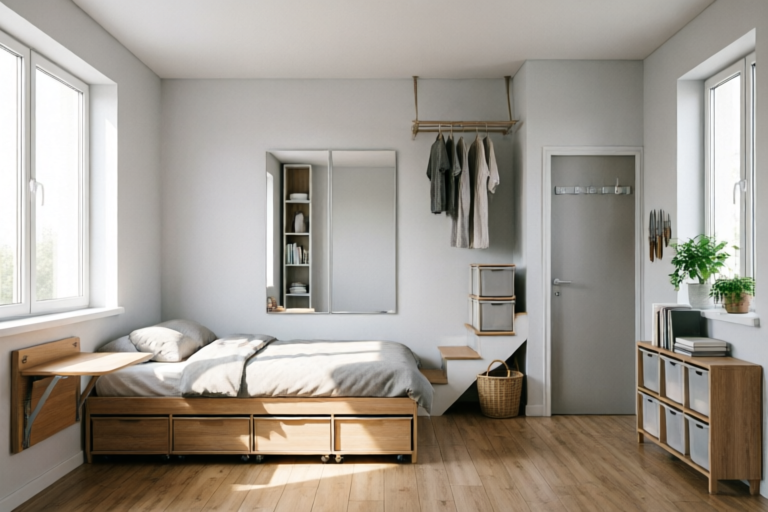
10 Simple Hacks for Maximizing Small Spaces
Maximize Your Space, Enhance Your Life
Introduction
Living in small spaces presents a unique set of challenges. From limited storage options to cramped living conditions, it's easy to feel overwhelmed. However, by optimizing your space, you can transform your home into a more comfortable and functional environment. This article will explore ten simple hacks to help you maximize your small spaces.
1. Decluttering: The First Step to Maximizing Space
Decluttering is often the first step towards making a space feel larger. By removing unnecessary items, you not only reduce physical clutter but also create a sense of openness. Here are some tips for maintaining a clutter-free environment:
- Regularly review and discard unused items: Set aside time each month to go through your belongings and donate or recycle what you no longer need.
- Use storage bins and baskets: Keep frequently used items organized and out of sight.
- Implement a 'one-in, one-out' rule: For every new item you bring into your home, remove an old one.
2. Smart Storage Solutions
Utilizing vertical space is crucial in small spaces. Wall-mounted shelves and cabinets can provide extra storage without taking up valuable floor space. Additionally, consider creative storage solutions such as under-bed containers or multi-functional furniture.
- Wall-mounted shelves: Install floating shelves to display books, plants, or decorative items.
- Under-bed storage: Use containers or drawers to store seasonal clothing, bedding, or other infrequently used items.
- Multifunctional furniture: Look for pieces that serve multiple purposes, such as ottomans with hidden storage or a sofa bed.
3. Optimizing Lighting for Depth Perception
Lighting plays a significant role in how we perceive space. Natural light can make a room feel larger and more inviting. If you have windows, maximize their potential by keeping them unobstructed and using sheer curtains. For artificial lighting, opt for layered lighting to create depth and highlight specific areas.
- Natural light: Position furniture to take advantage of sunlight and avoid blocking windows.
- Layered lighting: Combine overhead lights, task lighting, and ambient lighting to create a balanced atmosphere.
- Reflective surfaces: Use mirrors or glossy finishes to bounce light around the room and create an illusion of more space.
4. Choosing the Right Furniture
The right furniture can make all the difference in a small space. Selecting pieces that are proportionate to the room size ensures they don't overwhelm the area. Additionally, multifunctional furniture can help save space and add versatility to your living environment.
- Proportionate furniture: Choose smaller-scale pieces that fit well within the dimensions of your room.
- Multifunctional furniture: Consider pieces that serve multiple purposes, such as a dining table that converts into a desk or a coffee table with storage compartments.
- Furniture placement: Arrange furniture to allow for smooth traffic flow and create functional zones within the space.
5. Color Schemes and Decor Choices
Colors and decor choices can significantly impact the visual perception of space. Lighter colors tend to make rooms appear larger and more open, while darker shades can create a cozy, intimate feel. Mirrors are another great tool for reflecting light and expanding visual space.
- Light colors: Use pale tones for walls, floors, and large furniture pieces to create an airy atmosphere.
- Neutral accents: Incorporate neutral textures and patterns to maintain a cohesive look.
- Mirrors: Strategically place mirrors to reflect light and give the illusion of more space.
6. Efficient Layout Design
A well-planned layout can greatly enhance the functionality of a small space. Consider traffic flow and create distinct functional zones to make the most of available space.
- Streamline traffic flow: Arrange furniture to allow for easy movement around the room.
- Create functional zones: Define areas for different activities, such as sleeping, working, or relaxing.
- Flexible furniture arrangements: Use furniture that can be easily rearranged to accommodate changing needs.
Conclusion
In conclusion, maximizing small spaces doesn't require extensive renovations or costly upgrades. By implementing these simple hacks—decluttering, utilizing smart storage solutions, optimizing lighting, choosing the right furniture, selecting appropriate color schemes, and designing efficient layouts—you can transform your living environment into a more comfortable and functional space. We encourage you to experiment with these tips in your own home and see how they can improve your daily life.
Comments

Painted my walls white last weekend. Feels so much more open now.

Anyone found a good multifunctional couch? I'm struggling to find one.

Installed some LED strips under my cabinets. Adds so much depth to the room.

I've been decluttering for months. It helps, but any tips for keeping it up long-term?
Mirrors really do work wonders. My living room feels twice as big!
Love the idea of under-bed storage. Does anyone have recommendations for good brands?

Just tried the wall-mounted shelves! My tiny apartment feels so much bigger now. Anyone else use these?