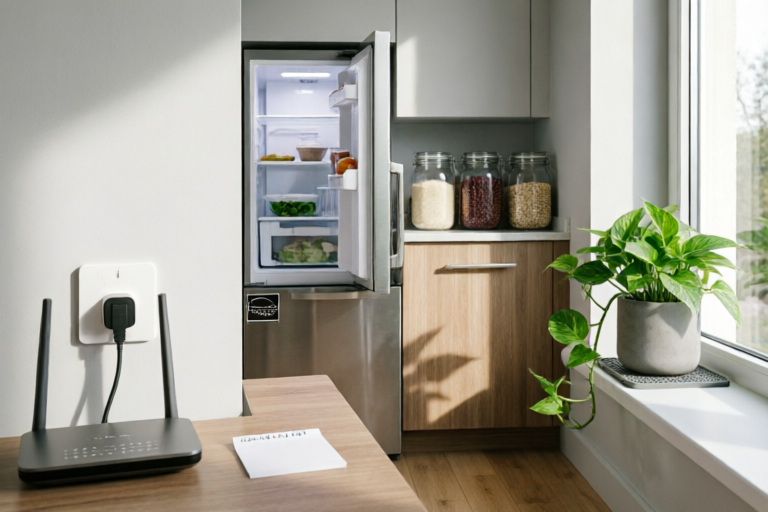
Simple Money-Saving Hacks for Renters and Homeowners
Save More, Spend Less: Practical Tips for Renters and Homeowners
Introduction to Saving Money as a Renter or Homeowner
Managing finances can be challenging for both renters and homeowners. Whether you're paying rent or a mortgage, it's essential to keep track of your expenses and make smart financial decisions. In this article, we'll explore various money-saving hacks that can help you reduce costs and improve your financial situation.
Overview of the Challenges Faced by Renters and Homeowners
Renters often face the challenge of unpredictable rent increases and limited control over their living environment. Homeowners, on the other hand, have more control but are responsible for maintenance and repairs. Both groups must manage their expenses wisely to ensure financial stability.
Importance of Budgeting and Smart Financial Decisions
Budgeting is crucial for anyone looking to save money. By tracking your income and expenses, you can identify areas where you can cut back and allocate funds towards savings. Making smart financial decisions, such as investing in energy-efficient appliances or setting aside money for emergencies, can also help you achieve your financial goals.
Energy Efficiency Tips for Lower Utility Bills
One of the largest expenses for both renters and homeowners is utility bills. By implementing energy-efficient practices, you can significantly reduce these costs.
How to Reduce Heating and Cooling Costs with Simple Adjustments
Adjusting your thermostat by just a few degrees can lead to substantial savings. For example, lowering the temperature by 1°C during winter and raising it by 1°C during summer can save you up to 10% on heating and cooling costs. Additionally, sealing gaps around doors and windows can prevent drafts and improve energy efficiency.
Benefits of Using Energy-Efficient Appliances and Lighting
Switching to energy-efficient appliances and LED lighting can further reduce your utility bills. These devices consume less power, which translates to lower electricity costs. Over time, the initial investment in energy-efficient products pays off through reduced energy consumption.
DIY Insulation Techniques for Saving on Heating and Cooling
Improving insulation is another effective way to save on heating and cooling. You can insulate attics, basements, and crawl spaces yourself using materials like fiberglass batts or spray foam. Proper insulation helps maintain a consistent temperature inside your home, reducing the need for excessive heating or cooling.
Cost-Effective Home Maintenance Strategies
Maintaining your home is essential for preserving its value and preventing costly repairs. Here are some cost-effective strategies to keep your home in top condition.
Preventive Maintenance Tips to Avoid Costly Repairs
Regular maintenance can prevent many common issues from developing into expensive problems. For example, checking your HVAC system annually, cleaning gutters regularly, and inspecting roofs for damage can help catch potential issues early. Small, proactive measures can save you thousands in repair costs down the line.
When to Do It Yourself vs. Hiring a Professional
While some tasks are best left to professionals, others can be done effectively at home. Simple repairs like fixing leaky faucets, replacing light fixtures, or painting walls are great DIY projects that can save you money. However, complex issues such as electrical wiring, plumbing, or structural repairs should be handled by licensed professionals to ensure safety and compliance with building codes.
Common Home Maintenance Mistakes to Avoid
Avoiding common mistakes can also help you save money. For instance, neglecting regular maintenance, ignoring signs of wear and tear, or failing to address minor issues promptly can lead to bigger problems. Additionally, overextending yourself on DIY projects beyond your skill level can result in costly mistakes. Always assess your capabilities before taking on a project.
Smart Shopping Habits for Daily Necessities
Shopping for daily necessities like groceries, cleaning supplies, and other essentials can add up quickly. By adopting smart shopping habits, you can stretch your budget further.
Comparison Shopping for Groceries, Cleaning Supplies, and Other Essentials
Before making a purchase, compare prices across different stores and online retailers. Use price comparison tools and apps to find the best deals. Look for generic brands that offer similar quality at a lower price point. Also, consider buying store brands, which are often cheaper than name-brand alternatives.
Utilizing Coupons, Cashback Apps, and Loyalty Programs
Take advantage of coupons, cashback apps, and loyalty programs to maximize your savings. Many stores offer digital coupons that can be redeemed directly at checkout. Cashback apps like Rakuten or Ibotta allow you to earn rewards for purchasing certain items. Additionally, signing up for loyalty programs can provide you with exclusive discounts and perks.
Bulk Buying Strategies for Long-Term Savings
Bulk buying can be an excellent strategy for saving money, especially for non-perishable items. However, it's important to buy only what you need and will use. Consider joining wholesale clubs like Costco or Sam's Club, where you can purchase large quantities of goods at discounted rates. Alternatively, check out bulk bins at local grocery stores for smaller quantities of bulk items.
Financial Planning for Unexpected Expenses
Unexpected expenses can derail even the most well-planned budgets. To prepare for these situations, it's important to have a solid financial plan in place.
Building an Emergency Fund for Unexpected Repairs or Emergencies
Setting aside money in an emergency fund is one of the best ways to prepare for unexpected expenses. Aim to save enough to cover three to six months' worth of living expenses. This fund can provide a financial cushion when faced with urgent repairs, medical bills, or job loss.
Insurance Options for Renters and Homeowners
Having the right insurance coverage can protect you from financial ruin in case of accidents or disasters. Renters should consider renter's insurance, which covers personal belongings and liability. Homeowners should look into homeowner's insurance, which provides coverage for the structure of the home and its contents. Additionally, consider specialized policies for flood, earthquake, or other natural disasters depending on your location.
Creating a Realistic Budget That Accounts for Variable Expenses
Creating a realistic budget that accounts for variable expenses is crucial for maintaining financial stability. Start by tracking your income and expenses over a month to get a clear picture of your spending habits. Then, adjust your budget to account for irregular expenses like car repairs, gifts, or travel. By anticipating these costs, you can better prepare for them without derailing your overall financial plan.
Conclusion: Implementing These Hacks for Long-Term Savings
In conclusion, implementing these money-saving hacks can lead to significant long-term savings for both renters and homeowners. By focusing on energy efficiency, maintaining your home, shopping smartly, and preparing for unexpected expenses, you can take control of your finances and achieve greater financial security.
Recap of Key Points Discussed in the Article
We've explored various ways to reduce utility bills, maintain your home efficiently, shop smarter, and plan for unexpected expenses. Each of these strategies contributes to a healthier financial outlook.
Encouragement to Start Small and Build Sustainable Habits
Don't feel overwhelmed by the number of changes you need to make. Start with small, manageable steps and gradually build upon them. Over time, these habits will become second nature, helping you save money consistently.
Final Thoughts on the Importance of Continuous Learning and Adaptation in Personal Finance Management
The world of personal finance is constantly evolving. Stay informed about new trends, tools, and strategies that can help you save money. Continuously learning and adapting will ensure that you remain financially savvy and prepared for whatever comes your way.
Comments

Preventive maintenance is key. I just fixed a leaky faucet before it became a bigger issue.

Bulk buying saved me big time. But how do you know what to buy in bulk?

Switched to energy-efficient bulbs and noticed a difference right away. Worth the switch!

Building an emergency fund is tough. Any advice on how to get started without feeling overwhelmed?

Hiring pros or doing it myself... always a tough call. Anyone have a good rule of thumb?

I've been using cashback apps for groceries but still feel like I'm missing out. Any tips for better savings?
Just tried the DIY insulation and my heating bill dropped by $30! Anyone else tried this?