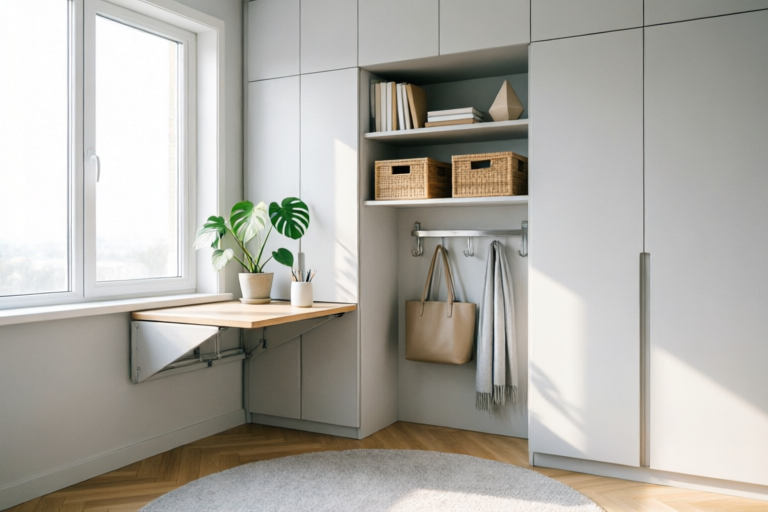
Maximize Small Spaces: Essential Tips for Efficient Home Storage
Efficient Storage Solutions for Your Small Space
Introduction to Efficient Home Storage in Small Spaces
Living in a small space can be challenging, especially when it comes to finding adequate storage solutions. However, with the right strategies and creative thinking, you can transform your limited space into an organized and functional environment. In this article, we will explore various methods to maximize storage in small spaces, ensuring that every inch is utilized efficiently.
Understanding the Importance of Effective Storage Solutions
Effective storage not only helps keep your home tidy but also enhances its aesthetic appeal. By organizing your belongings, you can create a more inviting and comfortable living space. Additionally, proper storage solutions can increase the value of your home, making it easier to sell or rent if needed.
Common Challenges Faced by Homeowners with Limited Space
One of the biggest challenges for those living in small spaces is finding enough room for all their belongings. This often leads to cluttered areas, which can be both visually unappealing and inconvenient. Another challenge is the difficulty in accessing stored items due to poor organization. Lastly, many homeowners struggle with balancing aesthetics and functionality, wanting to keep their space stylish while still maximizing storage capacity.
Overview of Practical Tips and Innovative Ideas
In this article, we will cover several practical tips and innovative ideas to help you make the most of your small space. From utilizing vertical space to incorporating underutilized areas, we will provide you with a comprehensive guide to efficient home storage.
Utilizing Vertical Space
One of the best ways to maximize storage in small spaces is by utilizing vertical space. By taking advantage of walls and ceilings, you can create additional storage without sacrificing valuable floor space.
Installing Shelves and Wall-Mounted Units
Installing shelves and wall-mounted units is one of the simplest and most effective ways to add extra storage in your home. Consider installing floating shelves above doors, windows, or even in corners where traditional furniture might not fit. These shelves can hold books, decorative items, or other essentials, freeing up floor space.
Creating Multi-Functional Vertical Storage Options
Multi-functional vertical storage options are ideal for small spaces because they offer more than just storage. For example, you could install a combination of shelves and hooks to hang coats, bags, or even bicycles. Alternatively, consider installing a pegboard with various hooks and baskets for tools, kitchen utensils, or office supplies.
Examples of Creative Vertical Storage Solutions
There are countless creative ways to utilize vertical space. Some examples include:
- Installing a ladder bookshelf that doubles as seating
- Using magnetic strips for hanging knives or spices in the kitchen
- Adding a built-in closet system with adjustable shelving and drawers
Maximizing Underutilized Areas
In addition to vertical space, there are many other areas in your home that may be underutilized. By exploring these areas, you can find new opportunities for storage.
Using Under-Bed Storage Containers and Drawers
The area beneath your bed is often overlooked as a potential storage space. However, it can be a great place to store seasonal clothing, linens, or extra bedding. Consider using under-bed containers or drawers with wheels for easy access. These containers can also be used to store toys, sports equipment, or other bulky items.
Incorporating Corner Shelves and Organizers
Corners of rooms are often wasted spaces, but they can be transformed into useful storage areas with the help of corner shelves and organizers. These units can hold books, plants, or other decor items, adding both functionality and style to your home.
Exploring Alternative Spaces Like Staircases and Alcoves
If you have a staircase or alcove in your home, consider using these areas for storage. You could install shelves along the sides of the stairs or in the alcove to store books, magazines, or other items. Alternatively, you could use the space under the stairs for a desk, laundry area, or additional closet space.
Streamlining Furniture Choices
Selecting the right furniture is crucial for maximizing storage in small spaces. By choosing furniture with built-in storage compartments or multifunctional pieces, you can save valuable floor space while still meeting your storage needs.
Selecting Furniture with Built-In Storage Compartments
Furniture with built-in storage compartments is an excellent way to maximize storage in small spaces. Look for dressers with drawers, ottomans with hidden compartments, or beds with built-in drawers. These pieces not only provide additional storage but also enhance the overall design of your home.
Choosing Multifunctional Pieces Such as Ottomans and Beds with Drawers
Multifunctional furniture pieces are ideal for small spaces because they serve multiple purposes. For example, an ottoman can be used as seating during the day and a storage container at night. Similarly, a bed with built-in drawers provides extra storage without taking up additional floor space.
Tips on Arranging Furniture to Optimize Floor Space
When arranging furniture in a small space, it's important to think about how each piece can be used efficiently. Consider placing larger furniture items against walls to free up floor space. Also, try to arrange smaller items in a way that creates open pathways throughout the room. This will make the space feel larger and more inviting.
Implementing Smart Organizational Techniques
Once you've maximized your storage space, it's important to implement smart organizational techniques to keep everything in order. By doing so, you'll be able to easily access your belongings and maintain a clutter-free environment.
Labeling and Categorizing Items for Easy Access
Labeling and categorizing items is essential for keeping track of what you have and where it is stored. Use labels on bins, boxes, and shelves to indicate what each contains. This will make it easier to find what you need quickly and efficiently.
Utilizing Drawer Dividers and Compartmentalized Bins
Drawer dividers and compartmentalized bins are great for keeping small items organized. Use them to separate different types of items within drawers or bins, making it easier to find what you're looking for. This is particularly useful in kitchens, bathrooms, and craft rooms.
Regular Decluttering Practices to Maintain Efficiency
To maintain an efficient storage system, it's important to regularly declutter your space. Set aside time each week or month to go through your belongings and remove anything that is no longer needed. This will help prevent clutter from building up and ensure that your storage solutions remain effective.
Conclusion: Sustaining an Organized Environment
In conclusion, maximizing storage in small spaces requires careful planning and creativity. By utilizing vertical space, maximizing underutilized areas, streamlining furniture choices, and implementing smart organizational techniques, you can create a clutter-free and efficient living space. Remember to continuously evaluate and adjust your storage solutions as needed to ensure they meet your evolving needs. With these strategies in mind, you'll be well on your way to enjoying a more organized and enjoyable home environment.
Comments

My staircase area is now a dream thanks to some smart storage solutions. Highly recommend!

Decluttering regularly is tough but so necessary. Anyone have good apps for this?

Using corner shelves has made such a difference in my small apartment. Thanks for the tip!

I tried labeling everything but it's still hard to find things. Any advice?

The ottoman with storage is a game changer. Finally got rid of that extra coffee table!

I love the idea of vertical shelves. My walls are pretty weak though. Are there any lightweight options?

I've tried using under-bed storage and it really helped! But my cats keep knocking stuff over. Any tips for that?