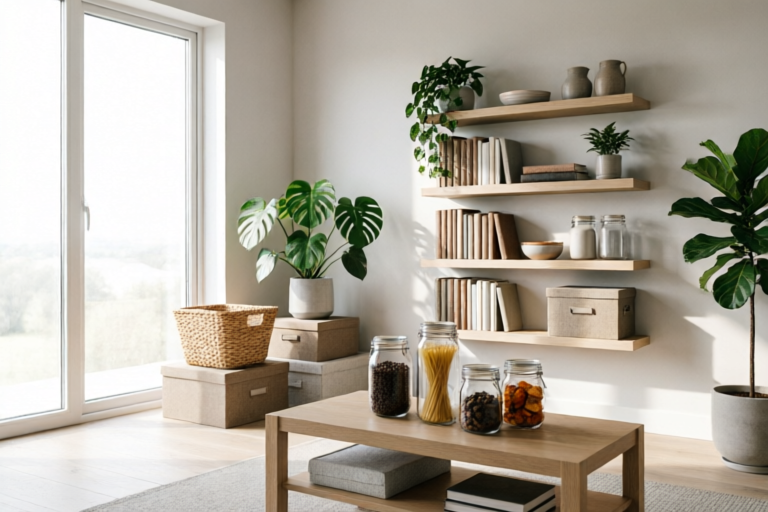
How to Organize Your Home Efficiently Without Spending a Fortune
Efficient Home Organization on a Budget
Introduction
Home organization can be a daunting task, especially when you think it requires expensive tools or professional services. However, organizing your home efficiently doesn't have to cost a fortune. With a bit of planning, creativity, and discipline, you can create a tidy, functional living space that enhances your daily life.
1. Assess What You Have
Conduct an Inventory of Your Belongings
The first step in organizing your home is to take stock of what you have. Walk through each room and make a list of all your possessions. This will help you identify duplicates, unused items, and potential donations or sales.
Categorize Items into Keep, Donate, Sell, or Throw Away
Once you've inventoried your belongings, sort them into categories:
- Keep: Essential items that you use regularly.
- Donate: Gently used items that are still in good condition but no longer needed.
- Sell: Items that are in good condition and could fetch a decent price.
- Throw Away: Broken, damaged, or unusable items.
Decluttering is crucial before you start organizing. It reduces the amount of stuff you need to manage and makes it easier to create a functional space.
Importance of Decluttering Before Organizing
Decluttering is not just about getting rid of excess items; it's also about creating a mental clarity. A clutter-free environment can reduce stress and improve focus. By removing unnecessary items, you'll have more space and less to organize.
2. Create a Plan
Define Specific Goals for Each Room
Before diving into organizing, set clear goals for each room. For example:
- In the kitchen, aim to streamline your pantry and create more counter space.
- In the bedroom, focus on maximizing closet space and creating a designated spot for shoes.
- In the living room, consider how to arrange furniture to optimize traffic flow and seating.
Having specific goals will help you stay focused and motivated.
Prioritize Areas That Need the Most Attention
Not every room needs immediate attention. Prioritize areas that cause the most frustration or inefficiency. For instance, if your entryway is always cluttered, start there. Once you've tackled the high-traffic or problem areas, move on to other rooms.
Use Free Online Resources for Inspiration
Leverage free online resources such as DIY blogs, YouTube channels, and Pinterest for inspiration. These platforms offer countless ideas for organizing various spaces within your home. Look for tutorials that fit your budget and lifestyle.
3. Maximize Storage Space
Utilize Vertical Space with Shelves and Hooks
One of the best ways to maximize storage space is to go vertical. Install shelves in unused corners, above doors, or on walls. Use hooks to hang items like coats, bags, and tools. This frees up valuable floor space and keeps frequently used items within reach.
Use Under-Bed Storage Bins and Over-the-Door Organizers
Under-bed storage bins are perfect for seasonal clothing, extra bedding, or off-season items. Over-the-door organizers can be used for shoes, cleaning supplies, or small items like toiletries. These versatile storage solutions are both space-efficient and affordable.
Repurpose Household Items as Storage Solutions
Get creative with repurposing household items. For example:
- Use shoeboxes to store office supplies or craft materials.
- Turn baskets into decorative storage containers for toys, magazines, or blankets.
- Hang old suitcases from the ceiling for additional storage.
Repurposing items not only saves money but also adds a personal touch to your home.
4. Implement Simple Organization Systems
Label Everything Clearly Using Free or Cheap Labels
Labels are essential for keeping your organized space manageable. Use free or inexpensive labels to mark bins, shelves, and drawers. This makes it easy to find what you're looking for and ensures that everyone in the household knows where things belong.
Establish Routines for Putting Things Back in Their Place
Creating routines helps maintain your newly organized space. Encourage family members to put items back in their designated spots after use. Consistency is key to preventing clutter from creeping back into your home.
Teach Family Members How to Maintain the New System
Involving everyone in the organization process is important. Teach family members how to maintain the new system by showing them where things go and how to use labels. This shared responsibility ensures that the effort is sustainable over time.
5. DIY Solutions vs. Store-Bought Products
Compare Costs and Effectiveness
DIY solutions often cost less than store-bought products, but they may require more time and effort. Consider the trade-offs between cost, convenience, and quality. Sometimes, investing in a few high-quality store-bought items can save time and frustration in the long run.
Showcase Examples of Successful DIY Projects
Here are some examples of successful DIY projects:
- Fabric-Covered Boxes: Use fabric to cover cardboard boxes for a stylish and functional storage solution.
- Magazine Holders: Turn empty cereal boxes into magazine holders by covering them with decorative paper.
These projects are simple yet effective and can be customized to fit your home's decor.
Offer Tips on Where to Find Affordable Supplies
Thrift stores, garage sales, and online marketplaces like Craigslist or Facebook Marketplace are great places to find affordable supplies. Look for second-hand items that can be repurposed or refurbished. This approach not only saves money but also reduces waste.
6. Maintaining Your New Organization System
Schedule Regular Check-Ins
Schedule regular check-ins to reassess and adjust your organization system as needed. Life changes, and so do your needs. Be flexible and willing to adapt your system to accommodate new items or changing habits.
Encourage Continuous Improvement
Learning from mistakes is part of the process. If something isn't working, don't hesitate to make adjustments. Continuous improvement will help you refine your system and make it even more efficient.
Strategies for Staying Motivated Long-Term
To stay motivated without spending more money, try these strategies:
- Set small, achievable goals.
- Involve family members in the process.
- Take pride in maintaining a clean and organized home.
Conclusion
Organizing your home efficiently without spending a fortune is entirely possible. By following these steps—assessing what you have, creating a plan, maximizing storage space, implementing simple systems, and maintaining your efforts—you can create a functional, clutter-free living space. Remember, effective home organization doesn't have to break the bank. Share your own experiences and tips in the comments section below!
Comments

Decluttered a lot, but maintaining it is tough. How often do you guys reassess your systems?

Teaching my kids to put things back is a challenge. Any tricks for making it fun for them?

I tried the over-the-door organizer for shoes. It works, but I had to get creative with the hooks. Any advice on that?

Made some fabric-covered boxes last weekend. They look great and were super easy! Thanks for the inspiration.
I've been decluttering for weeks now. It feels so good but also overwhelming. Anyone else feel that way?
Love this! I used the under-bed bins and it totally transformed my guest room. Any tips on keeping the dust away from those?