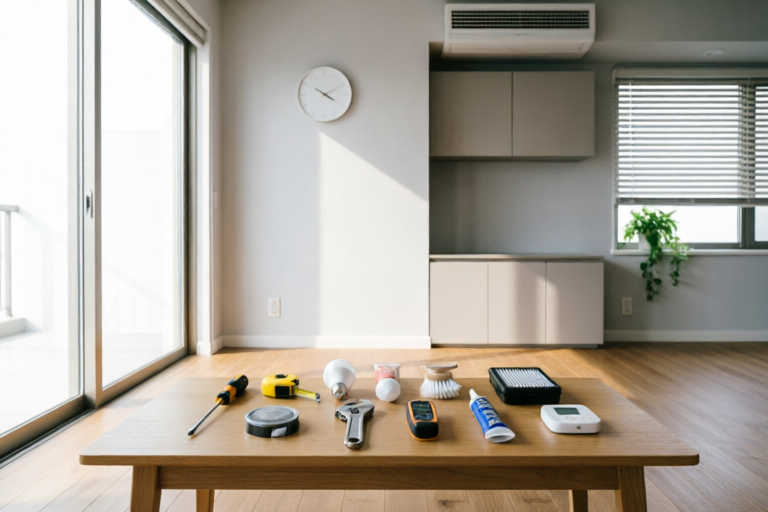
Top 10 Budget-Friendly Home Maintenance Tips for Young Adults
Maintain Your Home Smartly, Stay Within Budget
Introduction
Young adults often face unique challenges when it comes to maintaining their homes. Between rent or mortgage payments, student loans, and other financial obligations, finding the time and resources for home maintenance can be daunting. However, neglecting necessary upkeep can lead to more significant problems down the road, resulting in expensive repairs. This article provides top 10 budget-friendly home maintenance tips to help young adults keep their homes in good condition while staying within their budget.
1. Prioritize Essential Repairs and Upgrades
Identifying critical areas that require immediate attention is crucial for preventing larger issues from developing. For example, fixing leaky faucets or replacing worn-out doorknobs not only improves functionality but also enhances the overall appearance of your home. When it comes to major repairs, consider cost-effective solutions such as using second-hand materials or hiring local professionals who offer competitive rates. Addressing essential issues early can save you money in the long run by avoiding more extensive and costly repairs later on.
Cost-Effective Solutions for Major Repairs
- Second-hand materials: Look for used furniture, appliances, and building supplies at thrift stores, garage sales, or online marketplaces like Craigslist.
- Local professionals: Research and hire contractors who specialize in affordable services, especially those offering discounts for students or first-time homeowners.
- DIY tutorials: Watch YouTube videos or read articles from reputable sources to learn how to perform basic repairs yourself.
2. DIY Projects to Save Money
Many household tasks can be completed without professional assistance, saving both time and money. Beginners should start with simple projects like painting walls, installing shelves, or replacing light fixtures. To ensure success, gather the necessary tools and resources beforehand. Online platforms like Amazon and Home Depot offer a wide range of products specifically designed for DIY enthusiasts. Examples of DIY projects that significantly reduce costs include:
- Painting: Transform dull rooms into vibrant spaces with a fresh coat of paint.
- Installing shelves: Create additional storage space by mounting floating shelves along walls.
- Replacing light fixtures: Upgrade outdated lighting fixtures to modern, energy-efficient alternatives.
Recommended Tools and Resources for Beginners
- Measuring tape: Accurately measure spaces before making purchases or starting projects.
- Level: Ensure installations are straight and secure.
- Power drill: Simplify tasks involving screws and bolts.
3. Preventative Maintenance to Avoid Expensive Repairs
Regular maintenance tasks can prevent costly repairs by catching potential issues early. Schedule routine checks and cleanings for appliances, HVAC systems, and plumbing fixtures. Cleaning filters, lubricating moving parts, and checking for leaks are just a few examples of preventative measures that extend the lifespan of these components. Additionally, consider the following tips:
- Appliances: Clean oven racks, refrigerator coils, and dishwasher filters regularly.
- HVAC system: Replace air filters every three months and have annual tune-ups performed by a professional.
- Plumbing fixtures: Inspect pipes for signs of corrosion or wear, and fix minor leaks promptly.
Scheduling Routine Checks and Cleaning
Create a maintenance schedule that fits your lifestyle and budget. Use reminders or calendars to stay organized and consistent. For instance, set aside one weekend each month for deep cleaning and another for outdoor maintenance tasks.
4. Smart Shopping for Home Supplies
Comparing prices across different stores and online platforms can help you find the best deals on home supplies. Take advantage of coupons, discounts, and loyalty programs offered by retailers. Bulk purchasing strategies for frequently used items can also save money over time. Consider the following tips:
- Compare prices: Check multiple stores and websites to find the lowest price for the items you need.
- Coupons and discounts: Sign up for email newsletters and follow social media accounts to receive exclusive offers.
- Loyalty programs: Join store loyalty programs to earn points or rewards for future purchases.
Bulk Purchasing Strategies
Buying in bulk can be an excellent way to save money on frequently used items like toilet paper, paper towels, and cleaning supplies. Many stores offer discounts for bulk purchases, so take advantage of these opportunities whenever possible.
5. Energy Efficiency Improvements
Simple changes can lead to significant savings on your utility bills. Start by sealing drafts around windows and doors, switching to LED bulbs, and using programmable thermostats. Low-cost upgrades such as adding insulation or upgrading to energy-efficient appliances can further reduce energy consumption. Monitor your utility bills to identify areas for improvement and track progress over time.
Low-Cost Upgrades
- Sealing drafts: Use weatherstripping or caulk to seal gaps around windows and doors.
- LED bulbs: Replace traditional incandescent bulbs with energy-efficient LED alternatives.
- Programmable thermostats: Set schedules for heating and cooling to optimize energy use.
Community Resources and Support Networks
Leverage local community groups and forums to find free or discounted services. Many towns and cities offer programs that provide free or reduced-cost assistance with home repairs and improvements. Building relationships with neighbors can also lead to shared resources and support networks. Consider the following:
- Local government programs: Check with city hall or the town office for available resources.
- Neighborhood associations: Join or participate in existing groups to connect with fellow residents.
- Online forums: Engage in discussions on platforms like Reddit or Nextdoor to share advice and recommendations.
Conclusion
In conclusion, maintaining a home on a budget requires careful planning and execution. By prioritizing essential repairs, taking on DIY projects, practicing preventative maintenance, shopping smartly, improving energy efficiency, and utilizing community resources, young adults can keep their homes in excellent condition while staying within their means. Start implementing these tips today and reap the benefits of proactive home care tomorrow.
Comments

Bulk buying definitely helps. I stocked up on cleaning supplies and now I'm good for months!

I joined a local community group and got free help with some minor repairs. Amazing how much you can save!

The preventative maintenance section is gold! I've started scheduling regular checks and it's already paying off.

I'm struggling with energy efficiency. Any tips on how to monitor my utility bills better?
Anyone else finding the smart shopping tips super helpful? I just scored some deals on paint and saved big time!
Just tried the DIY project for fixing that squeaky door! Saved $50 and it works like new. Thanks for the tip!