Abyssinian Cats: The Ultimate Guide for New and Curious Owners
Welcome to the world of Abyssinian cats! If you’re considering bringing one of these beautiful and spirited felines into your home or simply want to learn more about them, you’ve come to the right place. This comprehensive guide will provide you with all the information you need to understand, care for, and enjoy your Abyssinian cat. From their fascinating history and unique appearance to their dietary needs and common health issues, we’ll cover it all.
Introduction to Abyssinian Cats
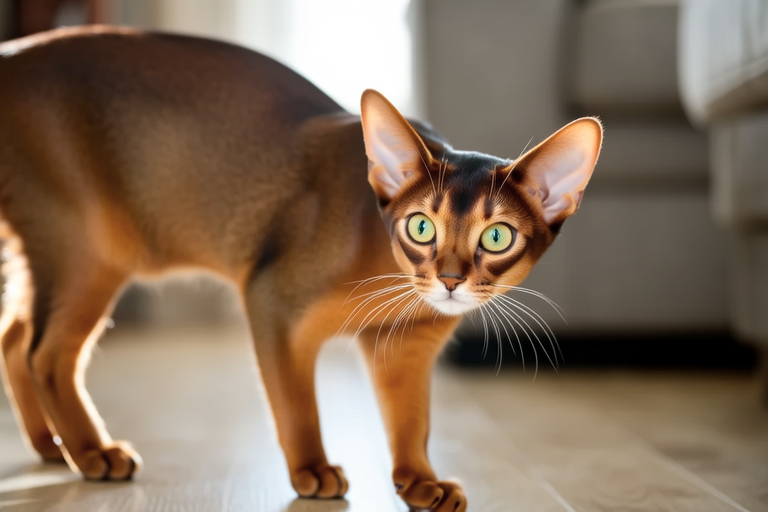
The Abyssinian cat is a breed that has captured the hearts of many cat lovers with its striking appearance and lively personality. Known for their sleek, muscular bodies and large ears, Abyssinians have a regal presence that commands attention. Their coat is short, dense, and has a distinctive ticked pattern, which gives them a wild yet elegant look. These cats are highly intelligent and active, making them excellent companions for those who appreciate a playful and interactive pet.
The History of Abyssinian Cats
The exact origins of the Abyssinian cat are somewhat shrouded in mystery, but many believe they trace back to ancient Egypt. Some theories suggest that they may be descendants of the cats worshipped by the Egyptians, while others point to their resemblance to cats depicted in early Egyptian art. What is known is that the breed was developed in England during the 19th century, with the first recorded Abyssinian cat appearing at a cat show in 1871. Since then, they have become popular pets around the world, prized for their beauty and intelligence.
Appearance of Abyssinian Cats
One of the most striking features of Abyssinian cats is their coat. The ticked pattern, also known as agouti, consists of bands of color on each individual hair, creating a mottled effect. This gives the cat a shimmering appearance that changes depending on the light. The breed comes in several colors, including ruddy (a warm reddish-brown), blue, fawn, and cinnamon. Their large, pointed ears and almond-shaped eyes add to their distinctive look. The eyes can range from green to gold, further enhancing their exotic appearance.
Temperament of Abyssinian Cats
Abyssinian cats are known for their lively and affectionate nature. They are highly social animals that thrive on interaction with their human family members. These cats are often described as being dog-like in their behavior, as they enjoy following their owners around the house and participating in daily activities. They are also very curious and love to explore, making them great indoor companions. However, their high energy levels mean they require plenty of mental and physical stimulation to stay happy and healthy.
Dietary Needs of Abyssinian Cats
Like all cats, Abyssinians require a balanced diet rich in protein, fat, and essential nutrients. High-quality commercial cat food, either wet or dry, is generally sufficient to meet their nutritional needs. It’s important to choose a food that is appropriate for your cat’s age, weight, and activity level. Consult with your veterinarian to determine the best diet for your Abyssinian. Additionally, always ensure fresh water is available at all times, as hydration is crucial for maintaining good health.
Grooming Requirements
Abyssinian cats have short coats that are relatively easy to maintain. Regular brushing once or twice a week helps remove loose fur and keeps the coat shiny. During shedding seasons, you may need to increase the frequency of brushing. Bathing is usually unnecessary unless your cat gets particularly dirty, but if you do bathe them, use a mild shampoo specifically formulated for cats. Pay attention to their dental hygiene too; regular tooth brushing and providing dental treats can help prevent dental problems.
Common Health Issues
While Abyssinians are generally healthy cats, they are prone to certain genetic conditions. One of the most common issues is Periodontal Disease, which can lead to tooth loss and other serious health problems if left untreated. Another condition to watch out for is Progressive Retinal Atrophy (PRA), an inherited eye disease that can cause blindness. Regular check-ups with your veterinarian are essential for early detection and management of these conditions. Additionally, obesity is a concern for all cats, so maintaining a healthy weight through proper diet and exercise is vital.
Caring for Your Abyssinian Cat
Exercise and Playtime
Abyssinian cats are highly active and need plenty of opportunities to burn off energy. Interactive toys, such as feather wands or laser pointers, are great for stimulating their hunting instincts. Providing climbing structures and scratching posts also helps satisfy their need for vertical space and exercise. Encourage play sessions throughout the day to keep your cat mentally engaged and physically fit.
Training and Socialization
Training your Abyssinian can be rewarding and fun. Positive reinforcement techniques, such as treats and praise, work well for teaching basic commands like coming when called or using a litter box properly. Socializing your cat from a young age is important for building confidence and ensuring they get along well with other pets and people. Expose them to various environments, sounds, and experiences to help them become adaptable and comfortable in different situations.
Choosing the Right Veterinarian
Selecting a veterinarian who understands the specific needs of Abyssinian cats is crucial for their long-term health and well-being. Look for a vet who has experience with the breed and offers comprehensive care services, including routine check-ups, vaccinations, and preventative treatments. Building a relationship with your chosen vet allows for open communication about any concerns or questions you may have regarding your cat’s health.
Resources for Further Learning
If you’re eager to learn more about Abyssinian cats, there are numerous resources available. Books, online forums, and local cat clubs can provide valuable insights and support. Consider joining an Abyssinian-specific group where you can connect with other owners who share your passion for the breed. These communities offer advice, share experiences, and celebrate the joys of owning an Abyssinian cat.
In conclusion, Abyssinian cats are truly special creatures that bring joy and companionship to many households. By understanding their unique characteristics and providing them with proper care, you can ensure a happy and healthy life for your beloved pet. Whether you’re a new owner or simply curious about this fascinating breed, we hope this guide has provided you with useful information and inspiration. Enjoy your journey with your Abyssinian cat!
