1. Introduction: The Value of Minor Home Repairs
Welcome to your guide on creating a more comfortable and efficient home environment. We live in an era where major renovations seem out of reach for many, yet the desire for a perfect living space remains strong. The truth is, you don't need to knock down walls or install expensive flooring to improve your daily life. The secret lies in the value of minor home repairs and incremental updates. Addressing small issues promptly is not just about aesthetics; it is a strategic financial decision and a psychological investment in your well-being.
When we speak of minor home repairs, we refer to the small fixes that often go unnoticed until they become problems. A dripping faucet, a squeaky door hinge, or a pile of cluttered entryway shoes may seem insignificant individually, but collectively, they contribute to a feeling of stagnation or neglect in your home. By addressing these small issues, you save money in the long term. A leaking pipe ignored for months can lead to mold growth and structural damage, costing thousands to fix later. A loose cabinet handle replaced immediately prevents screws from stripping wood entirely.
Beyond the financial aspect, there is the matter of overall household satisfaction. Your home is your sanctuary. When everything functions smoothly and looks cohesive, it reduces stress levels. Walking into a clean, organized kitchen with tight fixtures sends a signal to your brain that control is present. Conversely, constant nagging sounds or visual messes create background anxiety. Therefore, establishing a habit of quick fixes creates a cycle of comfort. You fix a leak, feel proud, and gain momentum to tackle other areas. This article will walk you through refreshing living areas, essential utility maintenance, and visual improvements that require minimal effort but yield maximum impact.
By the end of this guide, you will have a roadmap to maintain your home proactively rather than reactively. Let us dive into the specifics of how you can take charge of your living environment today.
2. Refreshing Common Living Areas
The living room is often the heart of the home, where families gather and guests are received. However, over time, it can lose its appeal due to wear and tear or simply changing trends. You can refresh this common area without spending a fortune on furniture. Here are three practical strategies to breathe new life into your living space.
### The Power of Decluttering
Decluttering is the foundation of a refreshed living area. Before buying new decor, clear the existing mess. Clutter makes a room look smaller and more chaotic. Start by applying the four-box method: Keep, Donate, Trash, and Relocate. Walk through your living room with boxes in hand. Look for items that have been there for six months unused. Do they bring joy? If not, let them go.
Specifically, check surface areas like coffee tables, bookshelves, and mantels. Are these surfaces covered in mail, remote controls, and miscellaneous papers? Assign a specific spot for each item. Use trays for remotes and coasters to group small items visually. Empty shelves look spacious; filled ones look busy. Remove non-essential decor pieces to create breathing room. Once surfaces are clear, dust thoroughly. Cleaning behind and under furniture reveals forgotten layers of grime that dampen the energy of the room.
### Cushion Swapping and Texture Mixing
Your sofas and armchairs can look dated even if they are structurally sound. Changing textiles is one of the easiest ways to update upholstery. Swap out old throw pillows for fresh ones. Try different colors or patterns that complement your current wall paint. You do not need to match perfectly; contrast creates interest. Mix textures like velvet, linen, and faux fur to add depth.
Additionally, consider swapping your sofa covers if you have removable slipcovers. Washing or replacing a cheap cover is far cheaper than buying a new couch. Even throwing a stylish, oversized blanket draped artfully over one arm of the sofa can change the entire vibe. Experiment with seasonal swaps; heavy knits in winter give way to light cottons in summer. This flexibility keeps the room feeling current throughout the year.
### Strategic Rug Arrangement
Rugs define zones within open spaces. A poorly placed rug can make a room feel disjointed. Ensure your large area rug extends far enough under key furniture pieces. At minimum, the front legs of sofas and chairs should sit on the rug. This anchors the furniture grouping. If you currently have a faded rug, replace it. You can find durable synthetic options that mimic wool at a fraction of the cost.
For smaller rooms, arrange two smaller rugs side-by-side instead of trying to fit one large one under everything, provided the color palette unifies them. Ensure the fringe or edges align neatly. Trim frayed edges carefully if you prefer a finished look, or leave them for a bohemian touch. Securing rugs with grippers underneath prevents slipping hazards, especially in homes with children or pets, adding a layer of safety alongside style.
3. Essential Maintenance in Utility Zones
While the living room attracts attention, the kitchen and bathrooms work the hardest. These utility zones endure moisture, heat, grease, and constant usage. Neglect here leads to immediate functional breakdowns. Focusing on basic maintenance ensures longevity and hygiene.
### Tightening Faucet Handles and Valves
A wobbly faucet handle is annoying, but if left unchecked, the internal cartridge can fail completely. Turn off the water supply under the sink. Remove the handle cap, unscrew the mounting screw, and inspect the base. If threads are stripped, replace the cartridge kit. If the issue is merely loose metal, tightening the set screw with a hex wrench resolves the wobble immediately. Don't forget to check showerheads; mineral buildup can restrict flow. Unscrew and soak them in white vinegar overnight to dissolve limescale, restoring pressure instantly.
In the kitchen, check the spray hose of the sink. Wires often fray or connections loosen. Tighten the coupling nut by hand, then give it a quarter-turn with pliers using cloth to prevent scratching the finish. Regularly check the water pressure regulator valve near the main line. Adjusting it can reduce strain on pipes and prevent leaks downstream.
### Unclogging Drains Naturally
Clogged drains are a universal frustration. Before calling a plumber, try eco-friendly solutions. Avoid chemical drain cleaners which corrode pipes over time. Use a mixture of baking soda and vinegar. Pour half a cup of baking soda down the drain, followed by half a cup of vinegar. Cover the opening to contain the fizzing reaction. Let it sit for 30 minutes, then flush with boiling water. For tougher clogs, a manual plunger works wonders. Create a tight seal around the drain and plunge vigorously.
Install hair catchers in shower and tub drains. They are inexpensive mesh screens that trap debris before it enters the plumbing. Clean them weekly to prevent build-up. In the kitchen, dispose of food waste responsibly. Grease should never go down the drain as it solidifies and causes blockages years later. Scrape plates into compost or trash instead. Organizing cabinets above and below sinks also aids maintenance. Group cleaning supplies together so they are easily accessible for deep cleans.
### Cabinet Organization and Storage
Kitchen and bathroom cabinets often become dumping grounds. Implement organizing systems now. Use drawer dividers for utensils and toiletries. Install pull-out shelving units under the sink to utilize awkward corner spaces effectively. Label containers to make finding things easier during cleanup. If doors swing too close to drawers, adjust the hinges. Proper alignment prevents slamming and wear on the door stops. Replace soft-close mechanisms if they stop working, ensuring smooth closure.
Clean the exterior of cabinets with mild soap and warm water to remove grease residue. Check handles for stability. Screws tend to loosen from daily use. Tighten them with a screwdriver. If the wood finish is worn, use a wax stick to hide scratches. Consistent care keeps cabinetry looking new longer, protecting your investment.
4. Visual Improvements Without Major Renovation
Sometimes, the structure is sound, but the look needs a boost. Visual improvements do not require demolishing drywall. Small aesthetic tweaks can alter the perception of space, light, and style dramatically.
### Wall Paint Touch-Ups and Accents
Paint is the cheapest tool in the renovator's kit. Walls accumulate scuffs, stains, and discoloration over time. Identify spots of damage and sand them lightly. Match the paint carefully; keep leftover paint if you painted the room recently. Apply primer to bare spots before top-coating. Blending paint can be tricky, so feather the edges into the surrounding area.
Consider an accent wall in a darker tone or a complementary color to highlight a feature. This draws the eye and hides imperfections in adjacent walls. If painting is too daunting, peel-and-stick wallpaper panels offer bold designs without committing to full walls. They come with adhesive backing and easy removal. Choose patterns that reflect light, such as metallic or light pastels, to open up small rooms.
### New Hardware and Fixtures
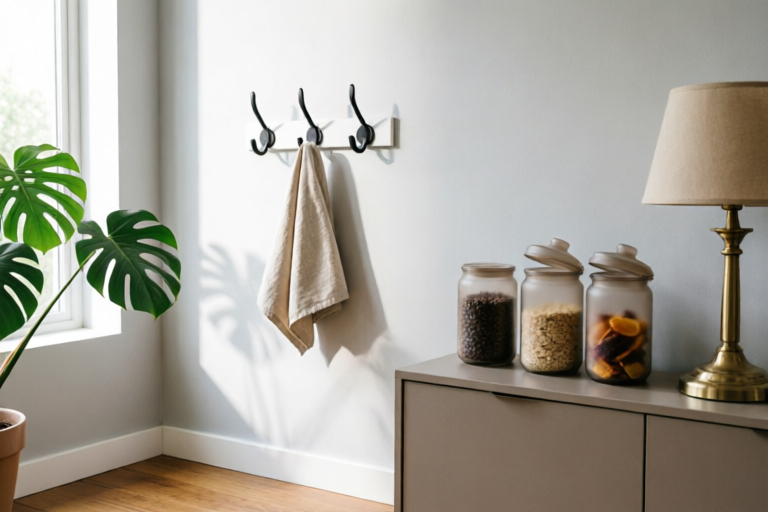
Hardware acts as jewelry for your home. Old brass knobs or dull drawer pulls can date a modern space. Swap them out for sleek black matte or brushed nickel finishes. Measure the distance between hole centers before purchasing to ensure compatibility. This simple change updates kitchens, bathrooms, and closets instantly.
Upgrade light switches and outlet covers as well. Switch to dimmer switches for ambient control. Install USB ports into outlets for easier device charging. These subtle tech upgrades improve functionality. Choose decorative faceplates with patterns or textures that match your theme. Brass accents pair well with warm woods, while chrome suits cool gray tones.
### Strategic Lighting Changes
Lighting defines mood. Overhead lights cast harsh shadows. Layer your lighting sources. Add floor lamps in corners to wash walls with light. Use table lamps with fabric shades to diffuse glare. Smart bulbs allow you to change color temperature throughout the day—cool blue in the morning for wakefulness, warm yellow at night for relaxation.
Install LED strip lights under kitchen cabinets. They provide task lighting for chopping and cooking while eliminating shadows. Place mirror-facing lighting behind mirrors to brighten dark vanity areas. Ensure bulbs are matched to fixture wattage ratings to prevent overheating. Dimmers are essential for dining areas. Installing a simple dimmer switch requires turning off power at the breaker, connecting wires securely, and testing before closing the plate. This upgrade offers instant ambiance control.
5. Conclusion: Establishing a Regular Upkeep Routine
To sustain the benefits discussed above, consistency is key. One-time fixes are good, but routines prevent decay. A regular upkeep routine transforms home maintenance from a chore into a manageable lifestyle habit.
### Building a Maintenance Schedule
Create a calendar for home tasks. Monthly tasks include changing HVAC filters, testing smoke detectors, and wiping down visible surfaces. Quarterly tasks involve washing windows, cleaning oven interiors, and checking for pest activity. Annual tasks should include gutter cleaning, driveway sealing, and HVAC system servicing. Write these down and assign deadlines. Set reminders on your phone so nothing slips through the cracks.
Involve household members. Make maintenance a family affair. Children can learn to hang their towels or wipe the counters after dinner. Adults take care of plumbing checks and electrical inspections. Shared responsibility reduces the burden on any single person.
### The ROI of DIY Fixes
Adopting a DIY mindset saves money and builds skills. Watch tutorials online for complex repairs. YouTube channels dedicated to home improvement explain everything from tiling backsplashes to wiring fans. Tools become investments rather than expenses. Buy quality basics first—a drill, screwdrivers, tape measure—and expand gradually.
Finally, remember that perfection is not the goal. Comfort is. A home that functions well and feels welcoming is better than a house that looks flawless but feels cold. Start small today. Pick one section from this guide, grab your tools, and make one improvement. As you see the results, you will naturally want to continue. Your journey to a consistently comfortable home begins with a single wrench turn or paintbrush stroke. Embrace the process, enjoy the transformation, and take pride in the sanctuary you have cultivated.
By integrating these simple ideas, you move beyond passive ownership to active stewardship of your living space. The money saved goes toward experiences rather than emergency repairs. The reduced mental load creates a happier household. Whether you are renting or owning, taking care of your environment reflects self-care. So, roll up your sleeves, explore these practical fixes, and watch your home evolve into the haven it was always meant to be.