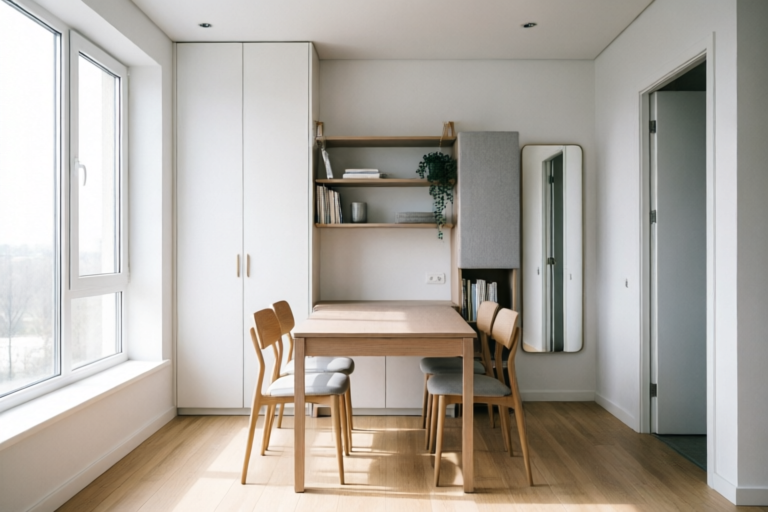
Small Space Living
Small Space Living Hacks: Transform Your Compact Home Into a Sanctuary
Live Large Within Your Limits
## Introduction: The Philosophy of Small Space Living
In recent years, the narrative surrounding housing has shifted dramatically. Gone are the days when the American Dream universally implied a sprawling suburban mansion with multiple cars and manicured lawns. Today, a compelling movement is sweeping through urban centers and rural communities alike: the embrace of small space living. This transition represents more than just a reaction to rising real estate costs; it signifies a profound cultural shift towards intentional minimalism. By choosing a smaller footprint, individuals are reclaiming autonomy over their time, finances, and physical environment.
Defining the philosophy of small space living begins with understanding the concept of 'enough.' In a traditional large house, there is often a tendency to accumulate possessions to fill voids. In contrast, small spaces demand a curated existence where every item must serve a purpose or bring genuine joy. This shift reduces clutter visually and mentally, fostering a sense of calm and order that is increasingly rare in the modern world. Furthermore, the advantages of this lifestyle extend far beyond aesthetics. Financially, smaller homes offer lower mortgage payments, reduced utility bills, and less maintenance overhead. Environmentally, they represent a greener choice; fewer resources are consumed for heating, cooling, and furnishing a compact dwelling. Consequently, the carbon footprint of the resident is significantly diminished. This guide aims to equip you with actionable strategies to master this lifestyle, proving that limitations can breed creativity and that comfort is achievable regardless of square footage.
### The Financial and Environmental Imperative
Before diving into tactical design tips, it is essential to acknowledge the foundational reasons why many are downsizing. Financial freedom is a primary driver. With rent prices skyrocketing in major metropolitan areas, the average monthly income-to-rent ratio has become unsustainable for many young professionals and families. By opting for a compact unit, residents can redirect funds towards investments, travel, or debt repayment. Additionally, the environmental argument is robust. Smaller homes require less energy to maintain. A single-room thermostat adjustment can save significant energy compared to heating a three-story split-level. Moreover, the manufacturing and disposal of furniture and appliances associated with larger homes contribute heavily to global waste. Choosing a small space aligns with a conscious consumer ethos, reducing the demand for mass-produced goods and promoting a culture of repair and reuse rather than replacement.
## Maximizing Vertical Storage Areas
When horizontal floor space is at a premium, the solution lies in looking upward. Vertical storage is the cornerstone of efficient small space living. Utilizing wall space transforms empty surfaces into functional assets, effectively reclaiming the precious floor area needed for movement and relaxation. This approach requires a willingness to install fixtures and adapt rooms for unconventional uses, but the payoff in organization is immense.
### Floating Shelves and Wall Organizers
One of the most effective tools for vertical expansion is the floating shelf. Unlike bulky bookcases that occupy inches of floor width, floating shelves mount directly onto the wall, creating visual openness while providing sturdy storage. In a kitchen, these can hold daily spice jars or cookbooks above the counter. In a bedroom, they can display decorative items or books above the headboard. To maximize capacity, consider installing shelves at varying heights, utilizing the entire wall expanse from ceiling level down to eye height.
For items that need to be frequently accessed, such as kitchen utensils, office supplies, or grooming tools, pegboards are indispensable. Traditionally found in garages, pegboards have evolved into sleek design elements for living spaces. They allow for infinite customization. Hooks, baskets, and slots can be rearranged as your inventory changes. In a bathroom, a pegboard can hold towels and toiletries; in an entryway, it can manage coats and bags. The key is to group items by frequency of use and assign specific spots. This prevents the common small-space plague of clutter accumulation, ensuring that everything has a designated home.
### Reclaiming Under-Bed Compartment Space
The area beneath the bed is often the most overlooked real estate in any room. In large bedrooms, this space may remain unused dust-collecting voids. In a compact setting, however, this is prime territory for storage. Utilizing under-bed compartments involves selecting low-profile containers designed to slide easily under the mattress foundation.
Vacuum-sealed storage bags are particularly useful here for seasonal clothing, winter linens, or out-of-season shoes. Because the bed frame itself provides a solid base, heavy boxes should generally be avoided, but rigid plastic bins with lids protect contents from dust and pests. For those with adjustable bed frames, some models come with built-in hydraulic lifts that reveal a massive storage cavity suitable for larger items like luggage or suitcases. If purchasing a new bed frame is not feasible, simple wooden slats can create a platform effect, allowing you to place wheeled carts underneath for easy access. The goal is to convert a dead zone into an accessible library of essentials, keeping the sleeping area serene and uncluttered.
### Door and Tension Rod Solutions
Doors are another vertical asset that is rarely fully exploited. Over-the-door organizers are excellent for shoes, cleaning supplies, or even pantry dry goods if mounted inside a pantry door. However, for a more aesthetic approach, consider tension rods. These flexible rods can be placed across shower stalls, inside closets, or between walls to hang lightweight items. In a laundry area, they can hold hangers for delicate shirts that would otherwise pile up on chairs. In a wardrobe, they can create hanging dividers for scarves or belts, preventing tangling. Each door surface adds roughly 10 to 15 linear feet of organizing potential, which translates to significant volume when aggregated throughout the home.
## Selecting Multi-Functional Furniture
Once storage is optimized, the next frontier is the furniture itself. In a multi-dimensional life lived within two dimensions, pieces must earn their weight. Multi-functional furniture is the heart of small space efficiency. Every chair should be able to hide things, every table should serve different needs, and every bed should potentially disappear. This requires strategic investing and a keen eye for design versatility.
### The Evolution of Murphy Beds
The Murphy bed remains the quintessential small space hero. While older versions were cumbersome clunky contraptions, modern iterations are incredibly sophisticated and aesthetically pleasing. Many now feature integrated cabinetry, desks, or sofas that fold away seamlessly. When lowered, they function as standard king or queen-sized sleeping quarters. When raised, they become a blank wall or a functional workspace. This allows a studio apartment to transform from a bedroom at night into a living room or office during the day. For those who cannot install a fixed Murphy bed, loft beds offer a similar benefit by elevating the sleeping area to free up floor space for a desk or lounge chair below. The key consideration is accessibility and ceiling height; ensure there is enough clearance to stand comfortably in front of the bed mechanism to avoid feeling claustrophobic.
### Extendable Dining Tables and Surfaces
Entertaining in a small space presents a logistical challenge. How do you host friends for dinner when the dining table is barely wide enough for two plates? The solution lies in extendable dining tables. These tables utilize leaves that slide in from beneath the top or pull outwards to increase seating capacity. In their closed state, they resemble compact side tables or coffee tables. For smaller studios, drop-leaf tables attached to the wall are ideal. They can be folded flat against the wall when not in use and dropped down only during mealtime. Some designs even incorporate folding wings that tuck into the tabletop. This flexibility ensures that the dining experience does not encroach on the rest of the living flow permanently. Additionally, countertop extensions in galley kitchens can provide temporary prep space or serving areas that disappear after the meal.
### Storage-Integrated Seating
Living room seating offers another opportunity for dual purposes. Sofas and ottomans are the most obvious candidates for hidden storage. Look for ottomans with lift-top lids where blankets, pillows, or magazines can be stowed away. Modern sectional sofas often come with chaise lounges that open to reveal shelving units for remotes or snacks. Bench seating along windows or in dining nooks can also house deep storage boxes underneath. Upholstered benches with zippered bottoms are becoming popular for storing bedding in guest rooms. Even armchairs can be selected with hollow bases. When choosing these pieces, prioritize depth over breadth. A deep bench seat can store a child’s toys or bulkier holiday decorations. The critical metric is functionality versus form; the piece must genuinely serve its storage purpose without becoming a burden to access. Easy-access mechanisms like sliding trays or cushion lifts are preferable to tight-fitting lids that require strength to open.
## Visual Tactics for Spatial Expansion
While physical modifications change the layout, visual tactics manipulate perception. The human brain interprets certain cues to judge size and volume. By leveraging design principles involving light, reflection, and color, you can create an illusion of size that makes a small room feel expansive, airy, and grand. These psychological tricks are cost-effective and can yield immediate results compared to structural renovations.
### Mirror Placement and Reflection
Mirrors are perhaps the oldest trick in the interior designer’s book, yet they remain unmatched in efficacy. Placing a mirror opposite a window reflects natural light, doubling the brightness entering the room. This illumination pushes back shadows, eliminating dark corners that suggest confinement. Beyond mere reflection, mirrors create depth. A wall covered in floor-to-ceiling mirrors makes the room appear to continue indefinitely. Alternatively, grouping several medium-sized mirrors creates a gallery effect that draws the eye outward. Glass-front cabinets instead of wood fronts also contribute to this sense of permeability. The materiality of glass feels lighter than solid wood, reducing visual weight. When positioning mirrors, avoid placing them directly facing a cluttered corner; instead, face them toward focal points like a beautiful painting or a scenic view to reflect beauty rather than mess.
### Optimization of Natural Light
Light control is vital. Heavy drapes in dark colors can shrink a room, making it feel cave-like. Opt for sheer curtains that allow soft sunlight to filter through without exposing the interior completely. Layered lighting is essential; rely on ambient lighting (ceiling lights), task lighting (desk lamps), and accent lighting (LED strips or sconces). Avoid relying solely on a single overhead fixture, which casts harsh shadows and flattens the room visually. Instead, position lights at varying heights to illuminate different planes of the room. Recessed lighting is excellent for saving headroom, while floor lamps draw the eye upward. Keeping blinds open during the day maintains the connection to the outdoors. If privacy is a concern, frosted window film provides light transmission without visibility loss. Brighter rooms always feel larger because light expands visual boundaries.
### Strategic Color Palettes
Color psychology plays a massive role in spatial perception. Dark colors absorb light and make surfaces advance, making walls feel closer together. Conversely, light colors reflect light, causing walls to recede. A monochromatic palette using shades of white, cream, beige, or pastel blue creates a seamless flow. The lack of contrast between walls, trim, and ceiling eliminates visual interruptions. Flooring should also follow this principle; light hardwood or neutral laminate tiles reduce the visual fragmentation caused by grout lines or pattern breaks. Rugs should be low pile or transparent to avoid tripping the eye with heavy patterns. If bold colors are desired, introduce them through throw pillows, art, or a single accent wall rather than the main architectural surfaces. This creates visual interest without shrinking the perceived volume. Consistency is key; carrying the same flooring material from room to room eliminates thresholds and makes the entire apartment feel like one cohesive, continuous unit rather than boxed-in segments.
## Conclusion: Maintaining Order Long-Term
Implementing these hacks is not merely a one-time project; it is a commitment to a specific way of living. The initial transformation of a cramped apartment into a spacious sanctuary requires effort, planning, and investment. However, maintaining this lifestyle requires discipline. Without ongoing habits, clutter inevitably returns, undoing the progress made through smart storage and design choices. The essence of small space living lies in the cultivation of a disciplined routine that respects the limits of the environment.
### The Discipline of Habit and Maintenance
To sustain a comfortable lifestyle, adopt the "one in, one out" rule. If you bring a new garment into your closet, an old one must leave. This perpetual balancing act prevents inventory growth from outpacing storage capacity. Regular decluttering sessions should be scheduled monthly, not annually. Take a moment to assess what hasn’t been used in the last season and determine its fate. This habit keeps the mind sharp regarding ownership. Furthermore, respect the dedicated zones created by your storage solutions. A pegboard is not a dumping ground; it must be respected as a functional tool. Encourage household members to return items to their specific vertical homes immediately after use. Teaching children to appreciate space early fosters a lifelong appreciation for minimalism. Finally, remember that the goal is not emptiness for the sake of emptiness, but clarity for the sake of living well. By maximizing vertical storage, selecting versatile furniture, and employing visual expansion tactics, you can achieve a home that breathes, functions efficiently, and supports a peaceful, financially sound existence. Small space living is ultimately about living large in what truly matters: relationships, experiences, and freedom."}
Comments

SmallSqFtLife
Multi-func furniture is key. My sofa bed is old but works. Thinking about getting an ottoman with storage next.
👍 11👎 0

EcoWarrior_Jen
Big fan of the environmental points. Less space = less energy to heat and cool. Win win.
👍 3👎 0

MinimalMike
Honestly hardest part is keeping it tidy. I get lazy sometimes lol but the setup makes it easier.
👍 10👎 0

RenterProblems
Wait does this work for renters though? Don't wanna lose security deposit drilling into walls...
👍 20👎 0

MirrorMaven
Mirrors by the window helped A LOT. Natural light bouncing everywhere. Def try this.
👍 21👎 0

BudgetSteve
Murphy beds are cool but expensive 😞 Found a cheaper alternative online tho anyone else use those?
👍 16👎 0

CityDweller_Amy
Just bought those under-bed containers finally! Used to hide a mess before. Room feels so much bigger now.
👍 28👎 0