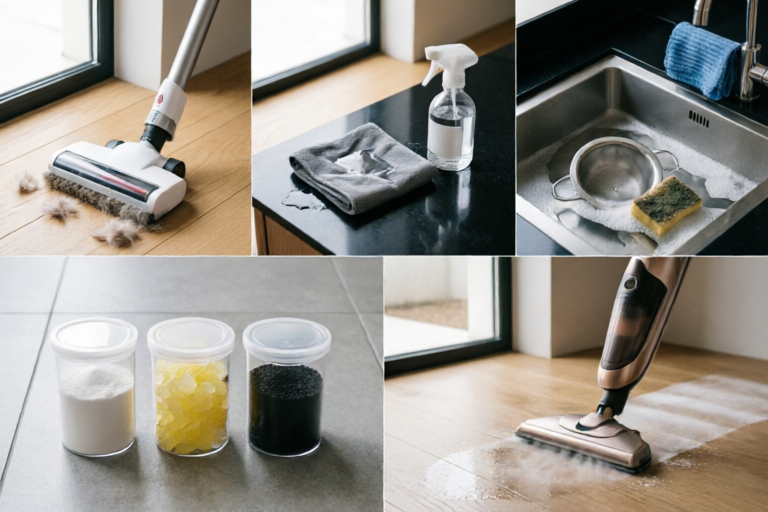
Cleaning Tips & Tricks
Top 5 Home Cleaning Hacks
Clean Smarter, Live Better.
The modern lifestyle often leaves us with limited time and energy, yet the demand for a pristine living environment remains constant. We are constantly pressured to maintain spotless homes while managing busy careers, family obligations, and social lives. In this pursuit, traditional cleaning methods often fall short due to their reliance on expensive chemical-laden products that can take hours to apply and still require aggressive scrubbing. This is where the concept of smart cleaning emerges—not just about working harder, but about working smarter. Adopting time-saving cleaning hacks matters significantly for efficiency and cost-effectiveness. By integrating simple, scientifically-backed strategies into our weekly chores, we can reduce the physical strain of cleaning while drastically cutting down on the recurring costs associated with purchasing commercial cleaning agents.
Furthermore, there is a growing awareness regarding the health impacts of synthetic chemicals found in many store-bought cleaners. Volatile organic compounds (VOCs) emitted from these products can irritate the respiratory system and harm indoor air quality. Switching to natural alternatives doesn’t just protect your lungs; it also protects your pets and children who crawl on floors where residues might linger. This article serves as a comprehensive guide to unlocking the power of smart cleaning. We will explore five transformative hacks that leverage affordable, non-toxic household staples to tackle everything from stubborn grease to persistent odors. Whether you are a busy parent looking for quick wins or a homeowner aiming to revitalize aging fixtures, these solutions offer a variety of effective methods to restore brightness to your sanctuary. Let’s dive into the world of efficient, eco-conscious housekeeping.
## Unlocking the Power of Smart Cleaning
### The Modern Dilemma: Time vs. Cleanliness
In today’s fast-paced world, the average household spends anywhere from three to six hours per week dedicated solely to cleaning tasks. This time investment includes the preparation, execution, and cleanup of the cleaning activity itself. The frustration arises when results do not match effort. Traditional cleaners often promise instant gratification but leave behind streaks or toxic residue. Smart cleaning redefines this equation. It focuses on prevention and the strategic use of materials that do the heavy lifting chemically rather than physically. For instance, knowing that heat softens grime or that acid dissolves mineral deposits allows you to choose the right tool for the job before you even pick up a sponge.
Moreover, the financial aspect cannot be overlooked. Buying specialized sprays for toilets, another for sinks, and yet another for glass creates a significant expense over a year. Smart cleaning advocates consolidate these needs. Instead of buying five different bottles, you learn to manipulate two or three core ingredients to achieve ten times the utility. This approach aligns with the broader movement towards sustainable living. By reducing packaging waste and chemical runoff, your choice to clean smarter contributes to a healthier planet. The introduction to smart cleaning is not just about saving minutes on Saturday morning; it is about adopting a mindset that values resourcefulness and well-being over the convenience of disposable chemicals.
## The Power Duo: Vinegar and Baking Soda Applications
At the heart of most successful DIY cleaning strategies lies a humble partnership between white distilled vinegar and baking soda. These two items are ubiquitous, inexpensive, and remarkably versatile. While they look mundane on the pantry shelf, understanding the science behind them reveals why they are superior to many commercial options. When mixed, they undergo a chemical reaction that produces carbon dioxide gas, which creates a fizzing action that helps lift dirt from pores and cracks. While the resulting mixture is primarily water and sodium acetate (after the reaction completes), the individual properties of each component retain significant cleaning power.
### Hack 1: The Universal Acid Spray for General Surfaces
The first major application utilizes the acidic nature of vinegar. White distilled vinegar contains acetic acid, which is excellent at breaking down alkaline substances like soap scum, calcium buildup, and grease. However, vinegar alone can leave a strong smell that lingers until dry. To enhance its efficacy, we create a potent all-purpose spray.
**Ingredients Required:**
- 1 cup of distilled white vinegar
- 1 cup of warm water
- Essential oils (optional, for fragrance)
- A spray bottle
**Step-by-Step Instructions:**
1. Pour the vinegar and warm water into your spray bottle. Shake gently to mix.
2. Add 10-15 drops of lemon or lavender essential oil to mask the vinegar scent and add antibacterial properties.
3. Label the bottle clearly.
4. Spray onto countertops, tables, windows, and tiled surfaces.
5. Wipe immediately with a microfiber cloth.
**Why It Works:** The acetic acid cuts through grime effectively without scratching delicate surfaces, unlike abrasive scouring powders. Warm water helps dissolve oily films faster than cold tap water. This solution works wonders on stainless steel and glass, leaving them streak-free when dried with a lint-free cloth.
**Safety Note:** Never mix vinegar with bleach. Combining acids and bleach creates chlorine gas, which is highly toxic. Always test on a small hidden area of sensitive surfaces like granite or marble, as prolonged acid exposure can etch natural stone. For stone surfaces, dilute the vinegar to a 1:4 ratio or substitute with hydrogen peroxide.
### Hack 2: The Abrasive Paste for Scrubbing Heavy Dirt
While vinegar excels at sanitizing and descaling, it lacks grit. This is where baking soda comes in. Baking soda (sodium bicarbonate) is a mild alkali and a soft abrasive. It acts as a gentle scouring agent that scrubs away carbon buildup without damaging the underlying material. This forms the base of our second hack: the magical scrub paste.
**Recipe for All-Purpose Paste:**
Mix baking soda with enough water to form a thick consistency, similar to toothpaste. You can also add a splash of liquid Castile soap for extra grease-cutting power.
**Application Areas:**
- **Sink Basins:** Apply the paste to stainless steel or porcelain sinks. Let it sit for 10 minutes. Scrub with a non-abrasive sponge. Rinse thoroughly. This removes mineral stains and kills bacteria like E. coli on contact.
- **Stovetops and Oven Trays:** For baked-on food particles, apply the paste generously. Cover with plastic wrap to prevent drying overnight. The moisture keeps the reaction active. Upon removing the wrap, the grime should wipe away effortlessly. The abrasion lifts the burnt-on food without requiring metal wool.
- **Shower Floors:** Tackle the ring around the drain or grimy tiles. Sprinkle baking soda directly, spray with vinegar, and let the fizzing action loosen the biofilm. Scrub and rinse.
**Advanced Tip:** For whitening clothes or refreshing white towels, add half a cup of baking soda to your washing machine detergent cycle along with vinegar placed in the fabric softener dispenser. This combination removes body oils and deodorizes fabrics without fabric softeners clogging fibers.
## Revitalizing Kitchen and Dining Areas
The kitchen is the hub of the home, but it is also the room with the highest accumulation of germs, grease, and food residues. From spilled sauces to sticky crumbs, it demands frequent attention. However, aggressive cleaning often isn’t required if you know the right technique. By focusing on specific hotspots like stovetops, microwaves, and refrigerators, you can maintain hygiene without spending hours scrubbing. This section covers Hack 3, focusing on revitalizing kitchen areas using targeted treatments.
### Hack 3: The Steam and Scrub Method for Appliances
Many homeowners dread cleaning their stovetops or microwave ovens. These appliances are designed with heating elements that bond fats and sugars onto surfaces upon cooking. Standard wiping often smears the mess rather than removing it. The secret here is utilizing steam to soften the bond before applying any mechanical force.
**Revitalizing the Microwave:**
The microwave interior accumulates splattered food that turns into hardened crusts over time. It also traps odors that permeate food. Instead of using industrial solvents, use water vapor.
1. Fill a microwave-safe bowl with one cup of water.
2. Slice a lemon in half and drop the pieces into the water. You can also use lime or orange peel for citrus oils which break down grease.
3. Microwave on high for 3-5 minutes. Do not let it boil dry; the goal is to generate steam.
4. Allow the door to close for 10 minutes. Do not open it immediately. This lets the steam condense on the walls and ceiling, softening the gunk.
5. Open the door and wipe down the interior with a damp cloth. The grime should slide off easily.
**Benefits:** This method sanitizes the appliance and eliminates odors simultaneously. The citrus adds a pleasant scent without artificial fragrances.
**Revitalizing the Refrigerator:**
Refrigerators are notorious for lingering smells and spills. Over time, spills on shelves leak and cause mold growth in the corners.
1. Empty the contents completely (keep perishables in a cooler).
2. Prepare the vinegar solution mentioned in Hack 1.
3. Wash shelves individually. For glass shelves, dip them in the solution.
4. Pay attention to rubber seals. The crevices often trap mold. Dip a toothbrush in vinegar and scrub the grooves of the door seals.
5. To deodorize naturally, place an open box of baking soda on the middle shelf. Replace it every three months. Alternatively, soak coffee grounds in an open container for stronger odor absorption.
**Revitalizing the Stovetop:**
Grease on gas burners or electric coils is a fire hazard if neglected.
1. Remove removable grates and wash them in the sink with warm soapy water and baking soda.
2. For the surface, create a thick paste of baking soda and vinegar.
3. Apply to grease spots. Let it sit for 15 minutes. The paste absorbs excess oil before scrubbing.
4. Use a razor blade scraper (specifically designed for cooktops) for flat glass stovetops to remove tough charred bits carefully.
5. Finish with a vinegar wipe to restore shine.
By addressing these high-traffic zones with steam and pastes, you extend the lifespan of your appliances and ensure a safe cooking environment. These methods rely on physics and chemistry rather than brute strength, making them accessible for anyone regardless of physical capability.
## Refreshing Bathrooms and Textiles Simultaneously
Bathrooms present unique challenges compared to kitchens. High humidity promotes mold and mildew growth, while daily usage leads to hard water deposits and soap scum that build up rapidly. Furthermore, textiles in bathrooms—such as rugs, bath mats, and hand towels—can harbor bacteria if not treated regularly. This dual challenge requires a multi-faceted approach covered in Hacks 4 and 5. We will tackle hard water stains in the bathroom while simultaneously addressing fabric freshness.
### Hack 4: Dissolving Mineral Deposits and Mold Spots
Hard water contains dissolved minerals like calcium and magnesium. As water evaporates, it leaves behind white or cloudy residues known as limescale. On faucets, showerheads, and glass doors, this looks unsightly and can clog pipes. Similarly, grout lines between tiles often turn black due to mold spores feeding on organic matter.
**The Hydrogen Peroxide and Baking Soda Trick:**
While vinegar dissolves minerals, it struggles slightly against organic mold stains on porous grout. Hydrogen peroxide (3%) is a fantastic oxidizer that bleaches stains and kills spores safely.
**Procedure for Showerheads:**
1. Take a plastic bag large enough to cover the showerhead.
2. Fill the bag with undiluted white vinegar.
3. Secure the bag over the showerhead using a rubber band, ensuring the nozzle is submerged.
4. Leave it for at least an hour, preferably overnight.
5. Remove the bag and run the water. The flow should be restored as holes clear up. Use an old toothbrush to scrape remaining scale manually.
**Procedure for Grout Lines:**
1. Mix equal parts hydrogen peroxide and baking soda to make a sludge.
2. Apply the sludge directly to the stained grout lines using a paintbrush or old toothbrush.
3. Let it sit for 30 minutes. You may hear a slight bubbling sound as oxygen releases.
4. Scrub vigorously with a stiff-bristled brush.
5. Rinse with hot water. Hot water is crucial here as it activates the peroxide’s bleaching potential and helps kill bacteria.
**Important:** Ensure ventilation is adequate. While natural ingredients are safer, enclosed spaces can build up volatile fumes quickly. Avoid mixing peroxide with vinegar, as it creates peracetic acid, which can irritate skin and eyes.
### Hack 5: Deodorizing Fabrics Without Washing
Clothes, towels, and bath mats accumulate "musty" odors caused by sweat, skin cells, and lingering moisture. Often, we want to refresh them between wash cycles to prevent over-washing, which wears out fibers. Fabric refresher sprays sold in stores often contain alcohol or heavy perfumes that aren't always healthy for sensitive skin. Here is how to make a natural textile refresher and utilize simple tools for maintenance.
**DIY Linen Spray:**
1. Mix 2 cups of distilled water with 2 tablespoons of vodka or witch hazel (helps disperse oils and kills bacteria).
2. Add 10 drops of eucalyptus or peppermint essential oil. Peppermint is particularly anti-bacterial.
3. Shake well before every use.
4. Lightly mist bedding, curtains, or throw pillows. Allow to air dry.
**The Rubber Ball Technique for Towels:**
Towels lose absorbency when detergents build up on fibers.
1. Add a half-cup of baking soda to the wash cycle when washing towels.
2. Do not overload the washer. Water needs to circulate freely.
3. Skip fabric softener entirely. It coats fibers in wax, preventing towel absorbency.
4. Dry the towels with a dryer ball made of wool or rubber. This agitates the fibers, keeping them fluffy and improving airflow, which speeds up drying time.
**Air Drying Rugs:**
Small bathroom rugs can be difficult to wash frequently.
1. Vacuum them thoroughly to remove hair and dust bunnies.
2. Place them outdoors in direct sunlight. UV light is a natural disinfectant that kills odor-causing bacteria.
3. Gently beat them against a wall to shake out fine dust particles.
4. Once dry, fold or roll them to prevent dust settling.
These techniques ensure that your textiles remain fresh and hygienic without excessive water usage or harsh chemicals. The simultaneous management of hard water and fabric care highlights the efficiency of smart cleaning: tackling one problem (hard water) prevents damage to surfaces, while caring for textiles prevents allergens.
## Conclusion: Making Habits Stick for a Cleaner Home
Implementing these five home cleaning hacks is not merely a temporary fix but a lifestyle adjustment that can lead to long-term benefits. We have explored the versatility of vinegar and baking soda as the backbone of a chemical-free toolkit. We examined how steam and paste techniques can revive kitchen appliances without causing damage. Finally, we looked at protecting bathroom infrastructure from mineral buildup while keeping textiles fresh and sanitary. These low-effort routines are designed to integrate seamlessly into your existing schedule.
To make these habits stick, consider starting with just one hack per week. For example, designate Monday as "Bathroom Day" where you use the vinegar soak for your showerhead and the peroxide paste for your grout. By Thursday, incorporate the microwave steam clean. Over a month, you will have established a rhythm where the work feels manageable rather than overwhelming. The key to lasting results is consistency. A quick daily wipe-down takes less effort than a monthly deep-clean marathon.
Investing in these smart cleaning practices pays dividends in several ways. Financially, you save hundreds annually on bottled cleaners. Health-wise, you reduce exposure to irritating VOCs. Environmentally, you contribute to less plastic waste and cleaner wastewater systems. Ultimately, a clean home fosters a clear mind. When your environment is organized and sanitary, stress levels decrease, allowing you to enjoy your sanctuary. So, grab your vinegar, gather your baking soda, and prepare to transform your cleaning journey from a chore into a ritual of self-care. Your future self will thank you for the clarity and calmness that a consistently maintained home brings.
Remember, perfection is not the goal; progress is. Embrace the flexibility of natural solutions and adapt them to fit your specific home layout. With these top 5 hacks, you possess the knowledge and tools to maintain a sparkling, healthy home effortlessly. Happy cleaning!
Comments

PetLover88
non toxic is a must with my dog around. will definitely try the fabric freshener tip.
👍 14👎 0

HappyHomeowner
finally articles like this! commercial sprays are so expensive and smelly. thx for sharing.
👍 16👎 0

DIY_Dan
honestly some of the bathroom ones didn't really work for my hard water stains. had to get a commercial remover anyway. but cheap stuff works great elsewhere though.
👍 25👎 0

GreenLiving
i always add a drop of lemon oil when using vinegar so it doesn't smell too sharp. game changer!
👍 12👎 0

MomOf3
the microwave steam method saved me hours. no more elbow grease scrubbing!
👍 2👎 0

CleanFreak99
Quick question, is this safe for quartz countertops? worried about etching 🤔
👍 17👎 0

SarahJones_12
just tried the baking soda & vinegar mix on my grout today. actually came out white again!! 😲
👍 16👎 0