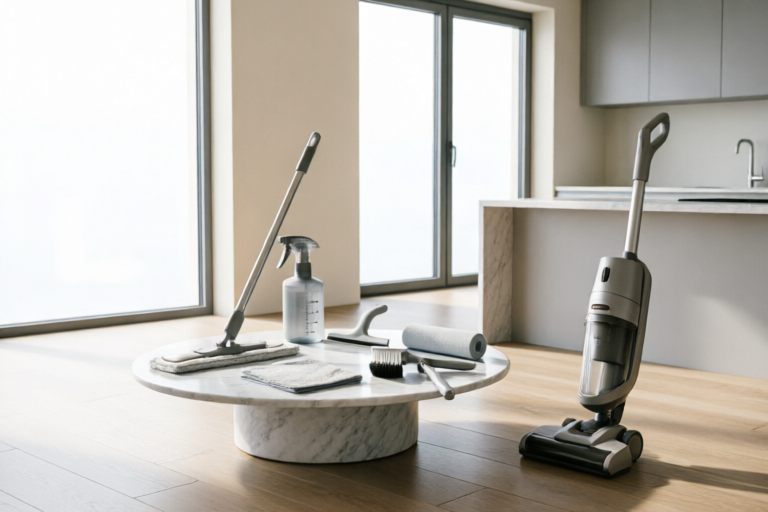
7 Easy Cleaning Hacks to Save Time and Effort
Efficient Cleaning Made Simple
7 Easy Cleaning Hacks to Save Time and Effort
Introduction
Cleaning can often feel like a daunting task, especially when you're juggling a busy schedule. From dust bunnies under the couch to stubborn stains on the kitchen floor, common cleaning challenges can easily pile up. However, with the right strategies, you can streamline your cleaning routine and make it more efficient.
The importance of efficient cleaning methods cannot be overstated. Not only do they save you time, but they also ensure that your home remains hygienic and inviting. In this article, we'll explore seven easy cleaning hacks that can help you save both time and effort.
Let's dive into the hacks that will make your cleaning routine smoother and more effective.
1. Declutter Before You Clean
One of the most effective ways to make cleaning easier is to declutter before you start. A cluttered space makes it harder to clean thoroughly, and it can also lead to frustration and wasted time.
The Benefits of Decluttering First
Decluttering helps you identify unnecessary items that take up valuable space. By removing these items, you create a more organized environment that’s easier to clean. Additionally, decluttering can help you focus on what really matters, reducing stress and making the cleaning process more enjoyable.
Tips for Quick and Effective Decluttering
- Start Small: Focus on one area at a time, such as a drawer or a shelf, to avoid feeling overwhelmed.
- Use Bins or Bags: Have designated bins or bags for items to donate, recycle, or throw away.
- Be Ruthless: Be honest about whether you really need each item. If you haven’t used something in over a year, it might be time to let it go.
How Decluttering Saves Time During Cleaning
With fewer items around, you’ll spend less time moving things out of the way and more time actually cleaning. This not only speeds up the process but also ensures that you’re cleaning every nook and cranny effectively.
2. Use Microfiber Cloths Instead of Paper Towels
Paper towels may seem convenient, but they can be wasteful and expensive. Microfiber cloths, on the other hand, offer a more sustainable and cost-effective alternative.
Why Microfiber Cloths Are More Effective
Microfiber cloths have tiny fibers that trap dirt, dust, and bacteria, making them highly effective for cleaning surfaces without the need for harsh chemicals. They’re also reusable, which reduces waste and saves money in the long run.
How They Reduce Waste and Save Money
Using microfiber cloths instead of paper towels can significantly reduce the amount of waste generated by your cleaning routine. Over time, the savings can add up, especially if you frequently clean multiple rooms or surfaces.
Best Practices for Using Microfiber Cloths
- Wash Them Regularly: Wash your microfiber cloths in cold water to maintain their effectiveness.
- Use Different Cloths for Different Surfaces: To prevent cross-contamination, use separate cloths for different areas of your home, such as the kitchen and bathroom.
- Dry Thoroughly: Make sure your cloths are completely dry after washing to avoid mold growth.
3. Create a Cleaning Station
A cleaning station is a designated area where all your cleaning supplies are stored and easily accessible. Having everything in one place can streamline your cleaning routine and make the process more efficient.
What a Cleaning Station Is and Why It Helps
A cleaning station is essentially a central hub for all your cleaning tools and products. This includes mops, brooms, dusters, cleaning solutions, and any other items you regularly use for cleaning. By keeping everything in one place, you eliminate the need to search for supplies, saving both time and frustration.
Steps to Set Up an Organized Cleaning Station
- Choose a Location: Pick a spot near the areas you clean most frequently, such as the kitchen or bathroom.
- Invest in Storage Solutions: Use shelves, baskets, or bins to organize your supplies neatly.
- Label Everything: Clearly label each container or tool so you can find what you need quickly.
- Keep It Tidy: Regularly clean and restock your station to keep it organized and functional.
How This Station Can Streamline Your Cleaning Routine
With everything within reach, you can get started on your cleaning tasks faster. No more wasting time searching for the right mop or bottle of cleaner. A well-organized cleaning station ensures that you’re always prepared for quick and efficient cleaning sessions.
4. Clean from Top to Bottom
When it comes to cleaning, the order in which you tackle different areas can make a big difference. Cleaning from top to bottom is a method that helps minimize the spread of dust and debris, ensuring a thorough and efficient clean.
The Logic Behind Cleaning in This Order
When you start at the top, you avoid having to re-clean areas you’ve already swept or wiped. Dust and dirt naturally fall downward, so cleaning from top to bottom ensures that you capture everything in one pass.
Practical Tips for Implementing This Method
- Start with Ceiling Fans and Light Fixtures: Wipe down these high areas first to catch any dust that might settle elsewhere.
- Mop Floors Last: This prevents dirty water from being tracked across freshly cleaned surfaces.
- Use a Swiffer or Duster: These tools are great for reaching high corners and ceiling fans without needing a ladder.
Benefits of This Approach in Terms of Time and Effort Saved
By cleaning from top to bottom, you avoid the frustration of having to re-clean areas that were just swept or wiped. This method ensures that your cleaning is more thorough and efficient, saving you both time and effort.
5. Leverage Natural Cleaning Solutions
Natural cleaning solutions are not only environmentally friendly but also cost-effective. Many common household items can be repurposed into powerful cleaning agents.
Common Household Items That Make Great Cleaners
- Vinegar: Vinegar is a versatile cleaner that can be used to remove soap scum, grease, and even hard water stains.
- Baking Soda: Baking soda is great for scrubbing tough stains and deodorizing surfaces.
- Lemon Juice: Lemon juice is a natural disinfectant and can be used to brighten surfaces and cut through grease.
Recipes for DIY Cleaning Solutions
- Vinegar and Water Solution: Mix equal parts white vinegar and water in a spray bottle for a general-purpose cleaner.
- Baking Soda Paste: Combine baking soda with a little water to form a paste. Use this paste to scrub tough stains on tiles, sinks, and ovens.
- Lemon and Salt Scrub: Mix lemon juice with salt to create a natural scrub for cutting through grease and grime.
Environmental and Financial Benefits of Natural Cleaners
Using natural cleaning solutions is better for the environment because they don’t contain harmful chemicals. Additionally, many of these ingredients are inexpensive and readily available, making them a cost-effective choice for your cleaning needs.
6. Schedule Regular Deep Cleans
While daily or weekly cleaning is important, it’s also crucial to schedule regular deep cleans to keep your home in top condition.
The Importance of Deep Cleaning Periodically
Deep cleaning involves tackling areas that don’t require daily attention but still need thorough cleaning. This could include cleaning the inside of appliances, washing windows, or vacuuming under furniture. Regular deep cleaning helps prevent the buildup of dirt and grime, ensuring your home remains fresh and hygienic.
How to Plan and Execute a Deep Clean Efficiently
- Create a Deep Cleaning Schedule: Plan deep cleaning tasks for once a month or every few months, depending on your needs.
- Break Tasks Into Smaller Chunks: Divide large tasks, like cleaning the oven or washing windows, into smaller, manageable steps.
- Use the Right Tools: Invest in specialized tools, like a window squeegee or oven cleaner, to make deep cleaning easier.
Long-Term Benefits of Regular Deep Cleaning
Regular deep cleaning can extend the life of your appliances and surfaces, reduce the need for frequent repairs, and improve the overall health and comfort of your home.
Conclusion
In this article, we explored seven easy cleaning hacks that can help you save time and effort. From decluttering before you clean to leveraging natural cleaning solutions, these tips can transform your cleaning routine and make it more efficient.
We hope you’ll try these methods to see how much easier and more enjoyable cleaning can be. Remember, maintaining a cleaner, more organized home is not just about aesthetics—it’s also about creating a healthier living environment.
Comments

I love these hacks! Decluttering and cleaning from top to bottom are my favorites. Any other tips you'd recommend?

Deep cleaning every month keeps everything fresh. Has anyone else found this schedule helpful?

My cleaning station idea didn't quite work out. Maybe I need to rethink how I organize things.

I tried making my own cleaning solutions but they didn't work as well as I hoped. Any tips for getting better results?

Cleaning from top to bottom is a game changer. I never thought about it but it does save me so much time!

Using microfiber cloths has cut down my paper towel usage by half. Do others find them as effective?
I've started decluttering before cleaning and it really makes a huge difference! Anyone else find it easier to clean when you don't have so much stuff?