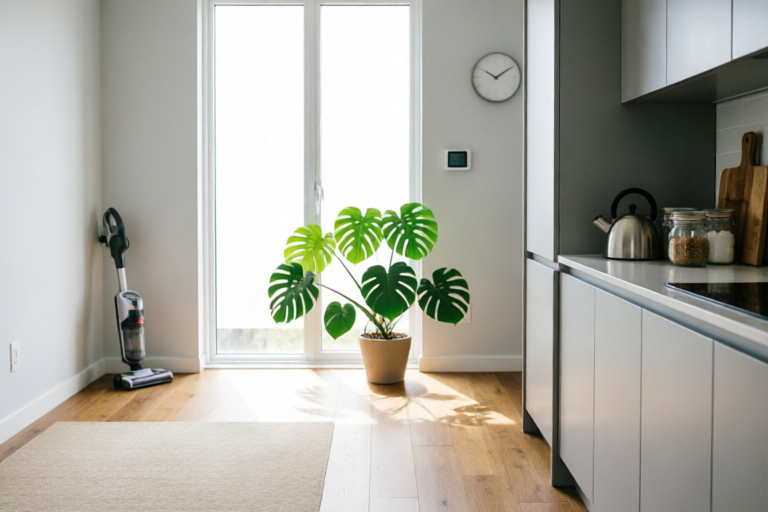
7 Easy Home Maintenance Tips to Save Time and Money
Efficient Home Care, Lasting Savings
### Introduction
Home maintenance is an essential part of keeping your house in great shape, ensuring it remains safe, comfortable, and energy-efficient. Regular upkeep not only prevents costly repairs but also saves you time and effort in the long run. By following a few easy tips, you can maintain your home efficiently, making your life easier and more enjoyable.
This article outlines seven practical home maintenance tips that are easy to implement and will help you avoid major issues down the line. Whether you're a first-time homeowner or have been managing your property for years, these suggestions will guide you toward better home care.
1. Regular Cleaning Schedule
Maintaining a cleaning routine is one of the simplest yet most effective ways to keep your home in good condition. A well-planned schedule ensures that all areas of your house receive proper attention, preventing dirt and grime from accumulating and causing damage.
Importance of Maintaining a Cleaning Routine
A consistent cleaning regimen helps prevent dust buildup, which can irritate allergies and respiratory conditions. It also reduces the likelihood of pests such as ants, cockroaches, and mice from entering your home.
Tips for Efficient Daily and Weekly Cleaning Tasks
- Daily Tasks: Wipe down surfaces, sweep floors, and take out trash.
- Weekly Tasks: Vacuum carpets, mop hard floors, clean bathrooms, and dust furniture.
Allocating specific days for different tasks makes it easier to stay on track without feeling overwhelmed. For example, Mondays could be dedicated to vacuuming, while Wednesdays might focus on bathroom cleaning.
How to Allocate Time Effectively Without Overburdening Yourself
Creating a realistic schedule based on your lifestyle ensures that cleaning doesn't become a chore. Break larger tasks into smaller, manageable parts, and set aside a fixed amount of time each day or week. This approach keeps maintenance light and sustainable.
2. Inspect and Maintain HVAC Systems
Your heating, ventilation, and air conditioning (HVAC) system plays a crucial role in maintaining indoor comfort throughout the year. Regular check-ups ensure that this vital component operates efficiently, saving energy and extending its lifespan.
Explanation of Why HVAC Systems Need Regular Check-Ups
An improperly functioning HVAC unit can lead to higher utility bills, uncomfortable temperatures, and even health risks due to poor air quality. Regular inspections help identify potential issues before they escalate into expensive repairs.
DIY Tips for Basic Maintenance (Filter Changes, Cleaning Coils)
- Change Filters: Replace air filters every 1-3 months depending on usage. Clean filters can improve airflow and reduce wear on the system.
- Clean Coils: Use a soft brush or vacuum cleaner to remove debris from outdoor condenser coils. Clear coils allow for better heat exchange.
Professional Servicing Recommendations and Their Benefits
While some maintenance tasks can be done at home, it's advisable to hire professionals annually for a thorough inspection and tune-up. They can diagnose hidden problems, adjust settings for optimal performance, and provide expert advice tailored to your specific needs.
3. Check Plumbing Fixtures Periodically
Inspecting plumbing fixtures regularly helps catch minor issues early, preventing them from becoming major problems. Leaky faucets, clogged drains, and faulty pipes can lead to water waste, mold growth, and structural damage if left unattended.
Importance of Checking Faucets, Pipes, and Drains
Regular checks allow you to address small leaks promptly, preventing water damage and high water bills. Additionally, clear drains ensure smooth water flow, reducing the risk of backups and unpleasant odors.
Simple Fixes for Common Problems Like Leaky Faucets or Clogged Drains
- Leaky Faucet: Tighten loose nuts or replace worn-out washers. Turn off water supply before starting repairs.
- Clogged Drain: Use a plunger or chemical drain cleaners. Avoid harsh chemicals if possible to protect pipes.
When to Call a Plumber Instead of Attempting DIY Repairs
For complex issues involving extensive pipe damage or persistent leaks, it's best to consult a professional plumber. They have the necessary tools and expertise to handle intricate repairs safely and effectively.
4. Seal Windows and Doors Properly
Gaps around windows and doors can cause drafts, leading to increased heating and cooling costs. Proper sealing improves energy efficiency, enhances comfort, and extends the life of your windows and doors.
Benefits of Sealing Gaps Around Windows and Doors
Sealed openings prevent cold air from entering during winter and hot air from escaping during summer. This results in more comfortable living spaces and reduced energy consumption.
Instructions on Applying Weatherstripping and Caulking
- Weatherstripping: Install strips along edges where doors meet frames. Choose foam, vinyl, or metal options depending on the type of door.
- Caulking: Apply silicone or acrylic caulk around window frames and sills. Ensure joints are dry before application.
Seasonal Adjustments for Optimal Energy Efficiency
Adjust weatherstripping and caulking as seasons change. In colder months, add extra insulation around doors and windows to retain heat. During warmer periods, focus on sealing gaps that let cool air escape.
5. Monitor Roof Condition Regularly
A well-maintained roof protects your home from environmental elements and extends its overall lifespan. Regular inspections help identify signs of wear and tear, allowing for timely repairs or replacements.
Signs That Your Roof May Need Repair or Replacement
- Buckled shingles or missing granules.
- Visible cracks or gaps.
- Water stains or leaks inside the house.
Basic Steps for Inspecting Your Roof Safely from the Ground
From the ground, look for visible damage such as curling, cracked, or missing shingles. Check valleys and chimneys for any signs of wear. If unsure, consult with a professional roofer who can perform a detailed inspection.
Guidance on When to Hire a Professional Roofing Service
If you notice significant damage or suspect internal leaks, it's wise to contact a professional. They can assess the situation accurately and recommend appropriate actions, whether it's patching minor issues or replacing the entire roof.
6. Organize Storage Areas Efficiently
Organized storage areas contribute significantly to reducing clutter and maximizing available space within your home. Efficient storage solutions make it easier to find items when needed, enhancing daily living.
The Role of Organized Storage in Reducing Clutter and Saving Space
By keeping everything in its place, you minimize the chances of misplaced items piling up. This leads to a tidier environment and easier navigation through rooms.
Tips for Decluttering and Categorizing Items
- Sort items into categories such as clothing, books, electronics, etc.
- Donate or sell items no longer used.
- Use labels and bins to clearly identify contents.
Creating Accessible Storage Solutions That Enhance Daily Living
Install shelves, cabinets, or drawers to store frequently used items within reach. For less frequently accessed items, consider overhead storage or under-bed containers.
Conclusion
In summary, these seven home maintenance tips cover various aspects of keeping your residence in excellent condition. From maintaining cleanliness to inspecting critical systems like HVAC and plumbing, each suggestion contributes to a safer, more comfortable, and cost-effective living environment.
We encourage you to start implementing these tips gradually, adjusting them according to your specific circumstances. Consistent home maintenance offers numerous long-term benefits, including financial savings, improved health, and increased property value.