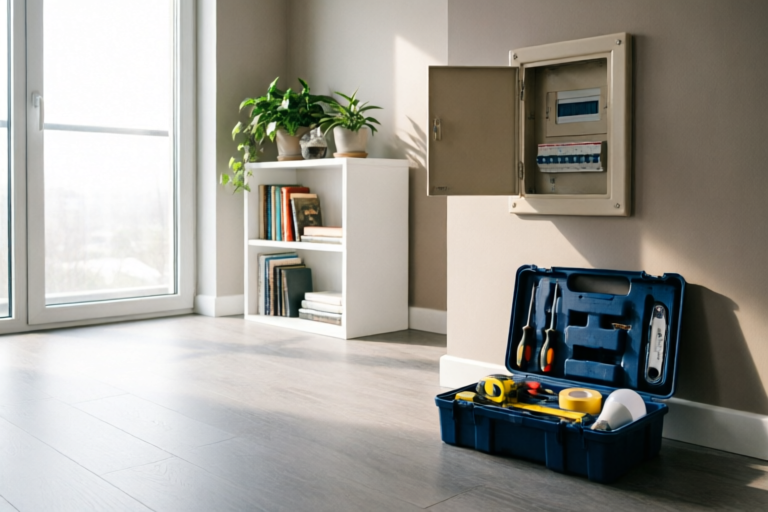
How to Fix Common Home Problems Without Hiring a Professional
DIY Home Fixes: Save Money and Learn New Skills
Introduction
Homeowners often face various challenges that require immediate attention. From clogged drains to faulty electrical systems, many of these issues can be resolved without the need for professional help. By taking matters into your own hands, you not only save money but also develop essential skills that can come in handy for future projects. This guide will walk you through some of the most common home problems and provide practical solutions to address them.
1. Plumbing Issues
Identifying and Addressing Clogged Drains
Clogged drains are one of the most frequent plumbing issues homeowners encounter. Before calling a plumber, try using a plunger to clear the blockage. If that doesn't work, you may need to use a drain snake or a chemical drain cleaner. However, it's important to use chemical cleaners sparingly as they can be harsh on your pipes.
Repairing Leaky Faucets and Pipes
Leaky faucets and pipes can lead to significant water waste and increased utility bills. To fix a leaky faucet, first turn off the water supply. Then, remove the handle and trim, followed by the cartridge or ball assembly. Replace any worn-out parts such as washers or O-rings, and reassemble the faucet. For pipe leaks, apply plumber’s putty or epoxy tape around the joint before tightening the connection.
Understanding How to Fix Minor Toilet Problems
Minor toilet issues like running water or slow flushing can usually be resolved easily. A running toilet is often caused by a faulty flapper or fill valve. Check the flapper for signs of wear and replace it if necessary. If the problem persists, inspect the fill valve and consider replacing it. For slow flushing, ensure that the flush valve is properly aligned and that there are no obstructions in the tank.
2. Electrical Repairs
Changing Light Switches and Outlets
Replacing faulty light switches and outlets is a straightforward task that requires minimal tools. Turn off the power at the circuit breaker before starting. Remove the cover plate and unscrew the old switch or outlet. Disconnect the wires and connect them to the new device. Once everything is securely fastened, restore power and test the functionality.
Replacing Faulty Circuit Breakers
\nIf a circuit breaker trips frequently, it might be time to replace it. Ensure the power is turned off at the main panel before proceeding. Label each wire connected to the faulty breaker for easy identification. Disconnect the wires and install the new breaker, ensuring all connections are tight. Finally, turn the power back on and check if the issue has been resolved.
Safely Handling Basic Electrical Wiring
While working with electrical wiring can be intimidating, understanding basic principles can help you troubleshoot simple problems. Always start by turning off the power supply. Use a voltage tester to verify that the area is safe. When reconnecting wires, ensure they are properly insulated and secured. Never attempt advanced electrical work unless you have the appropriate training and experience.
3. HVAC Maintenance
Cleaning Air Filters and Vents
Regular cleaning of your HVAC system's air filters and vents can improve airflow and reduce energy consumption. Start by removing the filter and gently vacuuming it. If the filter is reusable, rinse it under warm water and allow it to dry completely before reinstalling. For vent covers, use a soft brush or vacuum attachment to remove dust and debris.
Troubleshooting Heating and Cooling Systems
Common HVAC issues include uneven temperatures and noisy operation. Uneven heating or cooling could indicate a dirty air filter or blocked ductwork. Check the thermostat settings and ensure the system is set to the correct mode. Noisy systems might benefit from lubricating moving parts or replacing worn belts.
Ensuring Proper Ventilation in the Home
Poor ventilation can lead to moisture buildup and mold growth. Install exhaust fans in areas prone to humidity, such as bathrooms and kitchens. Regularly check and clean vent covers to prevent blockages. Additionally, consider using dehumidifiers during humid seasons to maintain optimal indoor conditions.
4. Painting and Finishing Touches
Preparing Surfaces Before Painting
Proper surface preparation is crucial for achieving a long-lasting paint job. Clean the walls thoroughly and repair any cracks or holes. Sand rough surfaces to create a smooth base. Apply a primer to seal porous materials and enhance paint adhesion.
Techniques for Applying Paint Evenly
To apply paint evenly, use high-quality brushes and rollers. Start by cutting in around edges and corners with a brush. Then, use a roller to cover larger areas. Maintain an even pressure and overlap strokes slightly to avoid visible lines. For a smoother finish, consider using a paint sprayer.
Tips for Achieving Professional-Looking Results
For a professional look, choose high-quality paints and brushes. Work in sections to minimize drying time between coats. Use painter's tape to protect trim and edges. Finally, allow ample time for the paint to dry completely before touching up or adding additional layers.
5. Minor Structural Repairs
Patching Holes in Walls and Ceilings
Small holes in walls and ceilings can be patched using spackling compound. First, clean the area and apply the compound with a putty knife. Smooth it out to match the surrounding surface. Allow it to dry and sand it down for a seamless finish. For larger holes, consider using a mesh patch or drywall tape.
Repairing Damaged Drywall
Damaged drywall can detract from the appearance of your home. To repair small dents, use a drywall putty knife to apply joint compound over the affected area. Let it dry and sand it smooth. For larger repairs, cut away the damaged section and replace it with a new piece of drywall. Reinforce the edges with drywall screws and apply joint compound to conceal the seams.
Securing Loose Floorboards or Stairs
Loose floorboards or stairs can pose safety hazards. To secure them, first check for nails that may have pulled out. Drive new nails into the existing holes or drill new ones if necessary. Use wood glue to reinforce the joints and add stability. For stair treads, ensure they are properly attached to the risers and stringers.
6. Yard and Garden Care
Basic Lawn Care Tips (Mowing, Edging)
Maintaining a healthy lawn involves regular mowing and edging. Set your mower blade height to promote strong root growth and prevent weeds. Edge along sidewalks and driveways to define borders and prevent grass from growing into these areas. Water your lawn deeply but infrequently to encourage deep root development.
Planting and Maintaining a Garden
Successful gardening starts with selecting the right plants for your climate and soil type. Prepare the soil by adding compost and organic matter. Plant seedlings according to their specific needs, including spacing and depth. Water regularly and mulch to retain moisture. Fertilize periodically to support plant growth.
Dealing with Pests Without Harmful Chemicals
Natural pest control methods are safer for the environment and pets. Introduce beneficial insects like ladybugs and praying mantises to prey on harmful pests. Use physical barriers such as row covers to protect plants. Homemade remedies like neem oil or garlic spray can also deter pests effectively.
Conclusion
In this comprehensive guide, we've covered a range of common home problems and provided practical solutions for tackling them yourself. By addressing issues promptly and efficiently, you can save money while gaining valuable DIY skills. As you become more confident, consider taking on more complex projects. For further learning, explore online tutorials, community forums, and local workshops dedicated to home improvement and maintenance.
Comments

I've been doing more DIY stuff lately and it's so rewarding. Thanks for the encouragement!

Lawn care tips were spot on. My grass looks greener than ever!
The prep work made such a difference! My walls look amazing. Next up is tackling those loose floorboards.

I cleaned my air filters but my AC still isn't working right. Any ideas what else could be causing the issue?
Thanks for the tips on changing light switches! Super easy and my house looks way better now.

I'm still struggling with patching up the hole in my ceiling. Any advice on what I might be doing wrong?
I tried the pest control tip in my garden and it worked like a charm! No more bugs, yay!

Wow, this really helped me fix my leaky faucet! I was worried it would cost an arm and a leg to hire someone. Saved so much money!