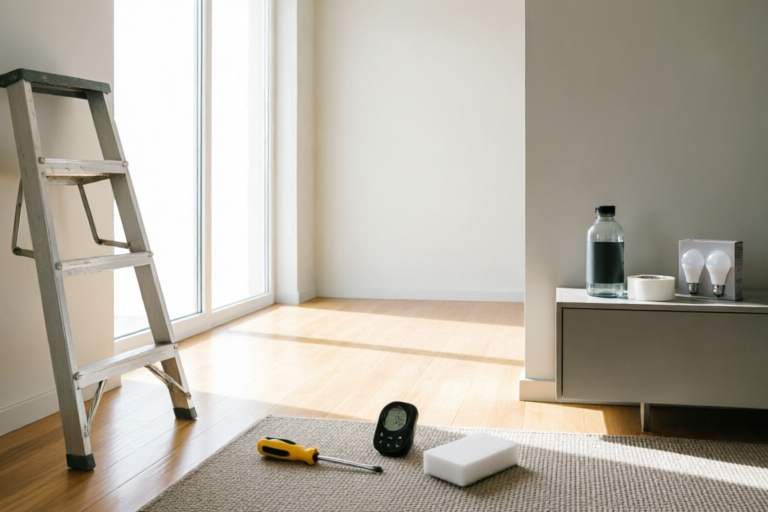
7 Simple Home Maintenance Tips to Keep Your House in Top Shape
Maintain Your Home, Enhance Your Life
Introduction
Regular home maintenance is crucial for ensuring that your house remains in top condition. Not only does it help prevent costly repairs down the line, but it also enhances the overall value of your property. By maintaining a well-functioning home, you can save money, increase your comfort, and ensure the safety of your family. In this article, we will explore seven simple yet effective home maintenance tips that you can easily incorporate into your routine.
1. Regular Inspections and Repairs
One of the most important aspects of home maintenance is conducting regular inspections. This includes checking the structural integrity of your home, as well as inspecting plumbing, electrical systems, and other critical components. By identifying minor issues early on, you can prevent them from turning into major problems that could cost you thousands of dollars in repairs. Here are some tips for performing routine checks:
- Inspect the foundation for cracks or shifting.
- Check plumbing fixtures for leaks or clogs.
- Test smoke detectors and carbon monoxide detectors regularly.
- Ensure all electrical outlets and switches are functioning properly.
Early detection of potential issues can save you a lot of trouble and money in the long run.
2. Efficient HVAC System Care
Your heating, ventilation, and air conditioning (HVAC) system plays a vital role in maintaining a comfortable living environment. Proper care of your HVAC system can extend its lifespan and improve its efficiency. Here are some tips for maintaining your HVAC system:
- Schedule annual maintenance with a professional technician.
- Change air filters every 1-3 months depending on usage.
- Keep outdoor units free of debris and vegetation.
- Seal any gaps or cracks around doors and windows to prevent drafts.
A well-maintained HVAC system not only keeps your home comfortable but also reduces energy costs.
3. Proper Roof Maintenance
The roof is one of the most important parts of your home, protecting it from the elements. Regular inspection and cleaning of your roof can prevent costly repairs and extend its lifespan. Here’s what you should look out for:
- Inspect the roof for missing or damaged shingles.
- Clean gutters and downspouts to ensure proper drainage.
- Look for signs of moss or algae growth, which can lead to premature wear.
- Address any visible damage immediately to prevent further deterioration.
Professional roof inspections are recommended at least once a year, especially if you live in an area prone to severe weather conditions.
4. Landscaping and Drainage Management
Proper landscaping and drainage management are essential for maintaining the health of your yard and protecting your home from water damage. Here are some tips for managing your landscape:
- Mow your lawn regularly to promote healthy growth.
- Trim trees and bushes to prevent overgrowth.
- Ensure that gutters and downspouts direct water away from the foundation.
- Install French drains or swales to manage excess water flow.
By keeping your yard well-maintained, you can enhance the curb appeal of your home while protecting it from potential damage.
5. Preventive Pest Control Measures
Pest infestations can cause significant damage to your home and pose health risks to your family. Implementing preventive measures can help keep pests at bay. Here are some strategies for pest control:
- Seal cracks and gaps around doors, windows, and foundations.
- Store food in sealed containers and dispose of garbage regularly.
- Use natural repellents like peppermint oil or diatomaceous earth.
- Consider professional pest control services if necessary.
Natural remedies are often safer and more environmentally friendly than chemical treatments, but they may not be as effective for severe infestations.
6. Energy Efficiency Improvements
Improving the energy efficiency of your home can lead to significant cost savings on utility bills. Here are some ways to make your home more energy-efficient:
- Upgrade insulation in attics, walls, and floors.
- Install programmable thermostats to regulate temperature settings.
- Replace old windows with energy-efficient models.
- Use LED lighting instead of incandescent bulbs.
These improvements not only reduce your carbon footprint but also contribute to a more comfortable living environment.
Conclusion
In conclusion, regular home maintenance is essential for keeping your house in top shape. By following these seven simple tips—regular inspections and repairs, efficient HVAC system care, proper roof maintenance, landscaping and drainage management, preventive pest control measures, and energy efficiency improvements—you can save money, enhance your comfort, and ensure the safety of your home. Implementing these practices regularly will provide long-term benefits and peace of mind.