The Ultimate Cheat Sheet: Caring for Your Fancy Rat Like a Pro
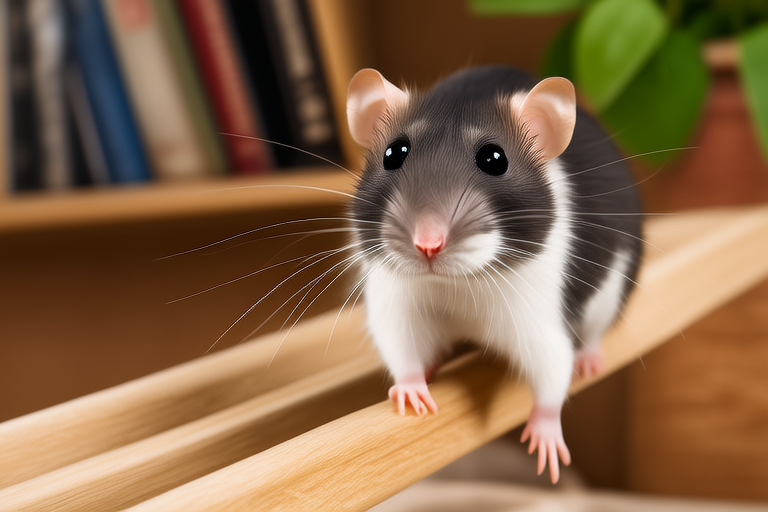
Fancy rats, also known as domesticated brown rats, have been popular pets for many years. They are intelligent, social creatures that can form strong bonds with their human companions. Proper care is essential to ensure your rat’s health and happiness. This comprehensive guide will cover everything you need to know about housing, diet, healthcare, grooming, behavior, and enrichment activities for your fancy rat.
Housing
Creating a safe and comfortable living space for your rat is crucial. Rats are active animals that require ample space to explore and exercise. A minimum cage size of 24 inches wide by 18 inches deep by 12 inches high per rat is recommended. However, larger cages or multi-level habitats provide more room for climbing and playing. Ensure that the cage has sturdy bars or mesh spacing no wider than half an inch to prevent escape or injury.
Bedding is another important consideration. Avoid cedar and pine shavings, as they can cause respiratory issues due to the aromatic oils they release. Instead, opt for paper-based bedding, such as recycled paper or compressed wood pulp. These materials are safer and more comfortable for your rats. Regularly clean the cage, removing soiled bedding and replacing it with fresh material every few days to maintain hygiene and reduce odors.
Diet
A balanced diet is vital for your rat’s overall health. The core of their diet should consist of a good quality commercial rat food mix, which provides a variety of seeds, grains, and pellets. Supplement this with fresh fruits and vegetables, but introduce them gradually to avoid digestive upset. Offer small portions of fresh produce daily, rotating the types to provide different nutrients.
Water is essential for hydration. Use a water bottle with a sipper tube to keep the water clean and easily accessible. Clean the bottle regularly to prevent bacterial growth. Avoid giving sugary treats or foods high in fat, as these can lead to obesity and other health problems. Treats should be given sparingly, no more than 10% of their total diet.
Healthcare
Regular veterinary check-ups are necessary to ensure your rat remains healthy. Choose a veterinarian experienced with small mammals. Common health issues include respiratory infections, dental problems, and tumors. Early detection and treatment can significantly improve outcomes. Keep an eye out for signs of illness, such as lethargy, loss of appetite, or changes in coat condition. Prompt action can save your rat’s life.
Vaccinations are not typically required for pet rats, but routine deworming and parasite control are important. Fleas and mites can be transmitted from other animals or through contaminated bedding. Consult your veterinarian for appropriate treatments. Maintaining a clean environment and providing proper nutrition can help prevent many health issues.
Grooming
Rats are generally clean animals and spend much of their time grooming themselves. However, regular brushing can help remove loose fur and distribute natural oils throughout their coat. Use a soft-bristled brush designed for small animals. Bathing is usually unnecessary, as it can stress your rat and disrupt their skin’s natural oils. If bathing is needed, use warm water and a mild shampoo specifically formulated for small animals.
Nail trimming is an essential part of grooming. Long nails can cause discomfort and interfere with your rat’s ability to grasp objects. Trim the nails just past the quick, avoiding the pinkish area inside the nail, as cutting into the quick can cause bleeding and pain. If unsure, consult a professional groomer or veterinarian for guidance.
Behavior
Rats are highly social animals that thrive on interaction with their human caregivers. They are curious and enjoy exploring their surroundings. Providing toys and tunnels encourages mental stimulation and physical activity. Rats are also very communicative, using a range of vocalizations and body language to express themselves. Learning to understand these signals can enhance your bond with your pet.
Socialization is key to developing a trusting relationship with your rat. Handle them gently and frequently, allowing them to become accustomed to being held and petted. Start by placing them in a secure area where they feel safe, then gradually introduce more interactive play. Patience and consistency are essential in building trust. Never punish your rat, as this can lead to fear and aggression.
Enrichment Activities
Providing enrichment activities helps stimulate your rat’s mind and body, preventing boredom and promoting well-being. Rats enjoy problem-solving tasks, such as finding hidden treats or navigating obstacle courses. Puzzle feeders and treat-dispensing toys encourage mental engagement. Rotate toys periodically to maintain interest and challenge. Social interaction with humans and compatible cage mates is also enriching.
Exercise is important for maintaining physical fitness. Allow supervised playtime outside the cage daily, using a secure area free from hazards. Rats are agile climbers and enjoy exploring vertical spaces. Provide platforms, ladders, and ropes within the cage to encourage climbing. Exercise balls can offer a fun way for rats to move around safely.
Building a Strong Bond
Establishing a strong bond with your rat takes time and effort. Consistent handling and positive reinforcement are effective strategies. Offer treats during handling sessions to create positive associations. Speak softly and calmly to your rat, using a reassuring tone. Gradually increase the duration and complexity of interactions as your rat becomes more comfortable.
Respect your rat’s boundaries and respond to any signs of discomfort. Some rats may take longer to trust their human companions. Be patient and persistent, offering consistent, gentle encouragement. Building a bond based on trust and mutual respect will result in a rewarding relationship.
Common Pitfalls to Avoid
Avoid over-handling your rat, especially when they are young or unfamiliar with you. Limit handling sessions to short intervals initially, gradually increasing the duration as your rat becomes more comfortable. Overstimulation can cause stress and anxiety. Also, be cautious when introducing new scents or objects, as sudden changes can trigger defensive behaviors.
Ensure that all household items are rat-proofed before allowing your rat unsupervised playtime. Small openings and chewable materials pose risks. Supervise closely during playtime to prevent accidents. Finally, never leave your rat unattended in areas where they could escape or encounter dangers.
Conclusion
Caring for a fancy rat involves commitment and responsibility. By providing appropriate housing, a nutritious diet, regular healthcare, grooming, and enrichment activities, you can ensure your rat lives a happy and healthy life. Building a strong bond requires patience, understanding, and respect. With proper care and attention, your fancy rat will be a delightful companion for years to come.
