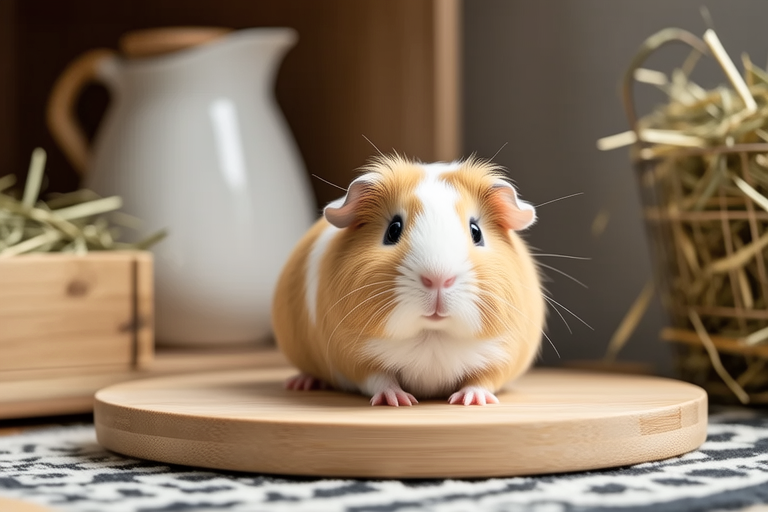
Adorable Guinea Pig Care: Everything You Need to Know Before Adoption
Guinea pigs, also known as cavies, have become increasingly popular pets over the years due to their charming personalities and easy care. These small, sociable animals are perfect for families, children, and even apartment dwellers who want a low-maintenance companion. With their gentle demeanor and expressive faces, it’s no wonder why so many people fall in love with these adorable creatures. However, before bringing a guinea pig into your home, it’s essential to understand the responsibilities that come with caring for one. This guide will provide you with everything you need to know about guinea pig care, ensuring you’re well-prepared for this rewarding experience.
The Ideal Living Environment
Creating a safe and comfortable living space for your guinea pig is crucial for their well-being. A spacious cage with at least 7.5 square feet of floor space per guinea pig is recommended. The cage should be placed in a quiet area away from direct sunlight, drafts, and extreme temperatures. Line the bottom of the cage with soft bedding such as shredded paper or wood shavings, and include a variety of toys, tunnels, and hiding spots to keep your guinea pig entertained. Additionally, ensure there is adequate ventilation and that the cage is cleaned regularly to prevent ammonia build-up and potential respiratory issues.
Dietary Requirements
A proper diet is vital for maintaining your guinea pig’s health. Guinea pigs require a balanced diet rich in hay, fresh vegetables, and a limited amount of pellets specifically formulated for their species. Timothy hay should make up the majority of their diet, providing essential fiber to aid digestion. Offer a variety of fresh vegetables daily, including leafy greens like kale, romaine lettuce, and spinach. Be cautious with certain vegetables like iceberg lettuce, which can cause digestive upset. Vitamin C supplements may be necessary if your guinea pig isn’t getting enough from their diet, as they cannot produce this vitamin themselves. Always consult with a veterinarian regarding your pet’s specific nutritional needs.
Grooming Needs
Regular grooming helps keep your guinea pig clean and healthy. Brush your guinea pig weekly to remove loose hair and prevent matting. Use a soft-bristled brush designed for small animals. Trim their nails every few weeks to avoid discomfort or injury. If your guinea pig has long hair, consider regular grooming sessions with a professional to maintain its appearance. Bathing is generally unnecessary unless your guinea pig gets particularly dirty, as it can stress them out. Instead, spot-clean any soiled areas with a damp cloth. Regular grooming also provides an opportunity to check for any signs of illness or injury.
Health Care Essentials
Preventative healthcare is key to keeping your guinea pig healthy. Schedule annual veterinary check-ups and vaccinations as recommended by your vet. Keep an eye out for common health issues such as dental problems, respiratory infections, and skin conditions. Early detection and treatment can prevent more serious complications. Provide clean water daily, changing it frequently to ensure freshness. Monitor your guinea pig’s weight and appetite, as sudden changes could indicate underlying health concerns. Establish a routine for handling and examining your pet to help them feel comfortable during veterinary visits.
Tips for Socializing and Playing
Guinea pigs are social animals and thrive on interaction with their human companions. Spend time each day handling and playing with your guinea pig to strengthen your bond. Introduce new toys gradually to encourage exploration and play. Consider setting up a supervised play area outside of the cage where your guinea pig can explore safely. Always supervise interactions between multiple guinea pigs to prevent aggression or fighting. Positive reinforcement training can also be used to teach basic commands, making playtime more enjoyable for both you and your pet.
Adopting from Shelters or Rescues
When considering adopting a guinea pig, shelters and rescue organizations offer wonderful opportunities to give a loving home to a deserving animal. Many shelters have already spayed or neutered the animals and provided initial medical care. By adopting from a shelter, you’re not only saving a life but also helping to reduce overcrowding. When visiting a shelter, take the time to interact with different guinea pigs to find the best match for your lifestyle. Remember that adopting a pet comes with significant responsibilities, including financial commitment, time investment, and emotional dedication. Be prepared to commit to your new friend for their entire lifespan, which can range from 4 to 8 years.
In conclusion, adopting a guinea pig can be a rewarding experience filled with joy and companionship. By understanding the specific needs of these delightful animals, you can provide them with a happy and healthy life. Remember to research thoroughly, prepare adequately, and be patient as you establish trust and bonding with your new furry friend. With proper care and attention, your guinea pig will bring countless smiles and moments of delight into your home.
