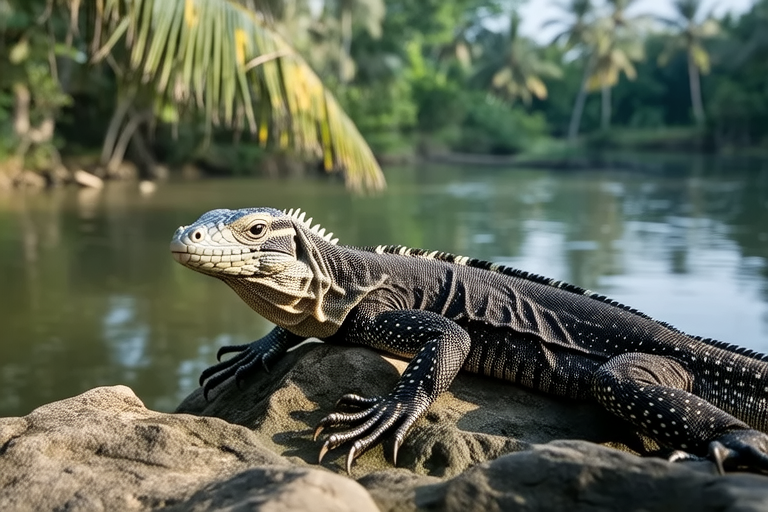
Water Monitor Lizard: Myths and Facts
The water monitor lizard (Varanus salvator) is one of the most misunderstood reptiles in the world. Often shrouded in misconceptions about its size, diet, and behavior, this species has intrigued and sometimes frightened people for centuries. This article aims to dispel some of these myths while providing factual information based on scientific studies and observations.
Size Misconceptions
One of the most prevalent myths about the water monitor lizard is its enormous size. Many believe that it can grow up to 10 feet long, which is far from the truth. In reality, adult males typically reach lengths between 4 and 7 feet, with females being slightly smaller. The largest recorded specimen was approximately 9 feet long, but such sizes are rare. These lizards have a robust build, making them appear even larger than they actually are.
Dietary Myths and Truths
Another misconception is that water monitors are indiscriminate scavengers, feeding on anything they can find. While they are opportunistic feeders, their diet consists primarily of small animals such as insects, fish, amphibians, birds, and rodents. They also consume eggs and carrion when available. Contrary to popular belief, they do not actively hunt large mammals or pose a significant threat to livestock. Their sharp teeth and strong jaws allow them to crush prey effectively.
Behavioral Misunderstandings
Water monitors are often portrayed as aggressive and dangerous predators. However, they are generally shy and prefer to avoid confrontation. When threatened, they may hiss loudly and display an open-mouthed gape to deter potential predators. If cornered, they can deliver painful bites but rarely attack humans without provocation. Their primary defense mechanism involves fleeing into water or climbing trees for safety.
Natural Habitat and Adaptations
Native to Southeast Asia, water monitors inhabit diverse environments including mangrove swamps, rivers, lakes, forests, and agricultural areas. They are highly adaptable and can thrive in various habitats as long as there is access to water bodies. Their flattened tails aid in swimming, while sharp claws enable them to climb trees efficiently. Additionally, water monitors possess keen senses, particularly smell and vision, which help them locate food sources.
Ecosystem Role
As apex predators within their ecosystem, water monitors play crucial roles in maintaining balance by controlling populations of smaller animals. They also contribute to nutrient cycling through consumption and digestion of organic matter. Furthermore, their presence indicates healthy wetland systems since they require clean water bodies for survival.
Human Interactions and Conservation Status
Despite their ecological importance, water monitors face threats from human activities such as deforestation, pollution, and hunting for meat and skins. Overharvesting has led to population declines in certain regions, prompting conservation efforts aimed at protecting remaining habitats and regulating trade practices. It’s essential to promote sustainable management strategies to ensure the long-term survival of this remarkable species.
Pet Ownership Considerations
For those interested in keeping water monitors as pets, several factors must be considered before making a commitment. Firstly, these animals require extensive enclosures due to their size and activity levels. A minimum enclosure size of 10 feet by 6 feet by 6 feet is recommended for adults. Secondly, appropriate heating and lighting systems must be installed to mimic natural conditions. Lastly, a varied diet consisting of live prey items should be provided regularly.
Common concerns among potential owners include aggression towards handlers and difficulty in handling. Training sessions under professional guidance can alleviate these issues. Moreover, regular veterinary check-ups are necessary to monitor health status and address any potential problems early on.
Conclusion
The water monitor lizard is a fascinating yet often misunderstood creature. By separating fact from fiction, we gain a better understanding of its true nature and significance within ecosystems. Encouraging responsible stewardship through education and conservation initiatives will help preserve this magnificent reptile for future generations.
