Top Tips for Caring for Your Three-Striped Box Turtle at Home
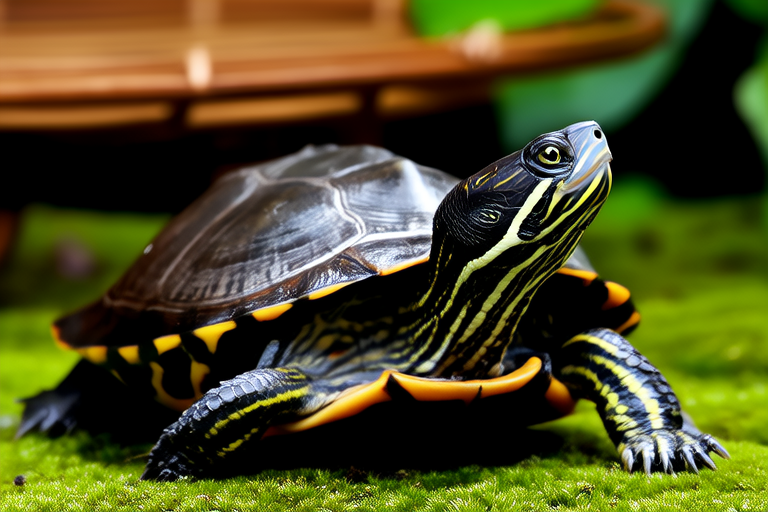
Three-striped box turtles (Terrapene carolina triunguis) are captivating reptiles that make wonderful pets for those who are prepared to provide them with the right environment and care. These turtles are known for their distinctive three yellow stripes on each side of their head, which give them their name. Proper care requires attention to detail in setting up their habitat, providing a balanced diet, and maintaining their health. This guide will cover everything you need to know about caring for your three-striped box turtle at home.
Habitat Setup
The first step in ensuring your three-striped box turtle thrives is creating an appropriate habitat. The enclosure should mimic the natural environment as closely as possible.
Substrate
A suitable substrate is crucial for maintaining a healthy environment. You can use a mix of coconut fiber and cypress mulch. This combination helps retain moisture, which is vital for the turtle’s hydration and skin condition. Avoid substrates like sand or gravel, as they can cause impaction if ingested.
Lighting and Temperature
Proper lighting and temperature control are essential for your turtle’s overall health. Use UVB lighting to simulate sunlight, which aids in calcium absorption and vitamin D synthesis. Place the light above the basking area, where the turtle can warm up. The basking spot should reach around 85 to 90 degrees Fahrenheit, while the cooler side of the tank should be around 75 to 80 degrees Fahrenheit. Maintain a nighttime temperature drop of about 10 degrees Fahrenheit.
Humidity
Three-striped box turtles require a humid environment to thrive. Aim for a relative humidity level between 60% and 80%. You can achieve this by misting the enclosure daily or using a humidifier. A water dish large enough for the turtle to soak in also helps maintain humidity levels.
Diet Plan
Providing a balanced diet is key to keeping your turtle healthy. Their diet should include a variety of nutrients to ensure they get all the vitamins and minerals they need.
Nutritional Needs
Insects, worms, and small fish can serve as sources of protein. Vegetables such as leafy greens, carrots, and squash, along with fruits like berries and melons, should make up the rest of their diet. Be cautious with fruits, as too much sugar can lead to health issues. Always offer a variety of foods to prevent nutritional deficiencies.
Portion Sizes
Feed your turtle small amounts of food twice a day. Younger turtles may eat more frequently than adults. Monitor their weight and adjust portions accordingly. Overfeeding can lead to obesity and related health problems.
Handling Techniques and Health Maintenance
Proper handling and regular health checks are important to ensure your turtle remains healthy.
Handling Techniques
When handling your turtle, always support its body firmly but gently. Avoid lifting it by its limbs or tail, as this can cause injury. Wash your hands before and after handling to prevent the spread of bacteria.
Signs of Illness
Be vigilant for signs of illness, such as lethargy, loss of appetite, swollen eyes, or discharge from the nose or mouth. If you notice any of these symptoms, consult a veterinarian specializing in reptiles immediately.
Regular Check-Ups
Schedule annual veterinary check-ups to monitor your turtle’s health. During these visits, the vet can perform routine tests and vaccinations, if necessary. Regular check-ups can help catch potential health issues early.
Cleaning Routines
Maintaining a clean habitat is crucial for preventing illnesses. Clean the water dish daily and change the substrate weekly. Disinfect the enclosure every few months using a reptile-safe disinfectant. Always rinse thoroughly and allow it to dry completely before reintroducing your turtle.
Social Interaction and Enrichment Activities
Three-striped box turtles are generally solitary creatures, but they still benefit from environmental enrichment and occasional social interaction.
Enrichment Activities
Provide hiding spots, logs, and rocks to stimulate exploration and exercise. Rotate toys and decorations periodically to keep the environment interesting. Consider adding a shallow water dish for swimming, which can be a fun and enriching activity.
Psychological Well-Being
While turtles don’t require extensive social interaction, they can become stressed if their environment is constantly changing. Keep their habitat stable and predictable to promote a sense of security. If you have multiple turtles, ensure they have enough space and resources to avoid conflicts.
Conclusion
Caring for a three-striped box turtle requires dedication and knowledge. By setting up the right habitat, providing a balanced diet, and maintaining their health through regular check-ups and cleaning, you can ensure your turtle lives a long and happy life. Remember to provide enrichment activities and consider their psychological well-being. With proper care, your three-striped box turtle can be a rewarding and fascinating pet for many years to come.
