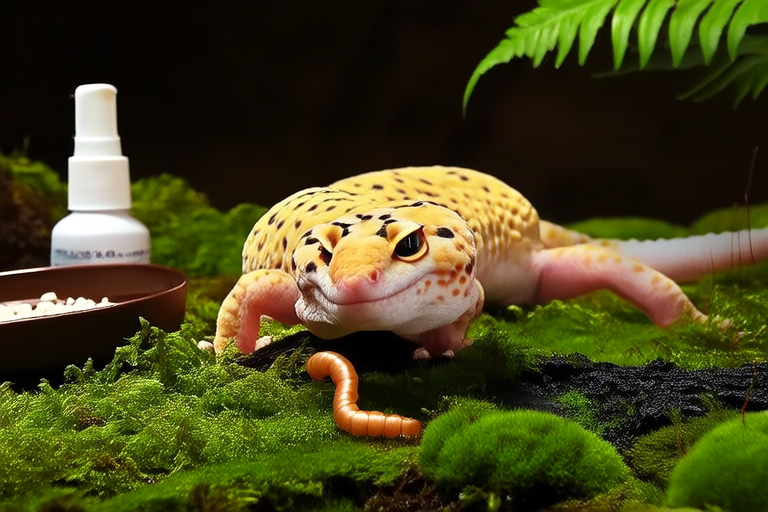
Leopard Gecko Diet Decoded: What They Love to Eat
Welcome to the fascinating world of leopard geckos! These small, ground-dwelling lizards are native to the arid regions of Afghanistan, Pakistan, and parts of India. Leopard geckos are popular pets due to their docile nature, ease of care, and vibrant colors. However, ensuring they receive a balanced diet is crucial for their health and longevity.
The Importance of a Balanced Diet
A balanced diet is fundamental to the overall health of leopard geckos. A proper diet ensures that these reptiles receive all the necessary nutrients for growth, maintenance, and reproduction. Neglecting their dietary needs can lead to various health issues, including metabolic bone disease, obesity, and malnutrition.
Nutritional Requirements
Leopard geckos require a diet rich in proteins, calcium, and other essential nutrients. Proteins are vital for muscle development and repair, while calcium is crucial for bone health. Additionally, vitamins and minerals, particularly vitamin D3, are necessary for calcium absorption and overall metabolism.
Ideal Food Options
Leopard geckos are insectivores, meaning their diet primarily consists of insects. Here are some ideal food options:
- Crickets: Crickets are a staple in the leopard gecko diet. They are high in protein and relatively easy to digest. Crickets should be gut-loaded with nutritious vegetables or fruits before being fed to the gecko to ensure maximum nutrient intake.
- Mealworms: Mealworms are another excellent source of protein. However, they have a harder exoskeleton, making them more challenging to digest. Therefore, it’s advisable to feed mealworms less frequently than crickets.
- Waxworms: Waxworms are a treat for leopard geckos due to their high-fat content. They should be fed sparingly as an occasional treat to avoid excessive weight gain.
Feeding Frequency and Portion Sizes
The feeding frequency and portion sizes vary depending on the age and size of the leopard gecko:
- Hatchlings (0-6 months): Hatchlings should be fed daily, with 2-4 crickets per feeding. As they grow, the number of crickets can be increased to 5-8 per day.
- Juveniles (6 months-2 years): Juveniles can be fed every other day, with 5-8 crickets per feeding. Introducing mealworms and waxworms as treats can help meet their nutritional needs.
- Adults (2+ years): Adult leopard geckos can be fed every two to three days, with 4-6 crickets per feeding. It’s important to monitor their weight to ensure they are neither underweight nor overweight.
Gut Loading and Supplementing Insects
Gut loading is the process of feeding insects a nutritious diet before offering them to your gecko. This ensures that the gecko receives additional nutrients from the insects. Dusting insects with supplements is also recommended:
- Vitamin D3: Vitamin D3 helps with calcium absorption. Dust insects with a calcium supplement containing vitamin D3 twice a week.
- Vitamin A: Vitamin A is essential for vision and immune function. Use a multivitamin supplement once a week to provide this nutrient.
Common Feeding Mistakes and Their Impacts
Several common feeding mistakes can negatively impact the health of leopard geckos:
- Overfeeding: Overfeeding can lead to obesity, which increases the risk of metabolic bone disease and other health issues. Monitor the portion sizes and feeding frequency carefully.
- Underfeeding: Underfeeding can result in malnutrition and stunted growth. Ensure that your gecko is receiving adequate nutrition by providing a varied diet.
- Feeding inappropriate insects: Feeding large or hard-bodied insects can cause impaction or digestive issues. Stick to appropriate-sized insects and avoid those with tough exoskeletons.
Monitoring Eating Habits
Regularly observe your gecko’s eating habits to ensure they are healthy. Signs of a healthy appetite include active hunting behavior and regular consumption of offered insects. If you notice any changes in their eating habits, consult a veterinarian specializing in reptiles.
If necessary, adjust the diet based on the gecko’s specific needs. For example, if your gecko is losing weight, increase the portion sizes or introduce higher-protein insects. Conversely, if your gecko is gaining too much weight, reduce the portion sizes or offer fewer high-fat treats like waxworms.
Conclusion
Understanding the dietary needs of leopard geckos is essential for their health and well-being. By providing a balanced diet rich in proteins, calcium, and other essential nutrients, you can ensure your gecko thrives. Regularly monitor their eating habits and make adjustments as needed to keep them happy and healthy. With the right knowledge and care, your leopard gecko will enjoy a long and fulfilling life.
