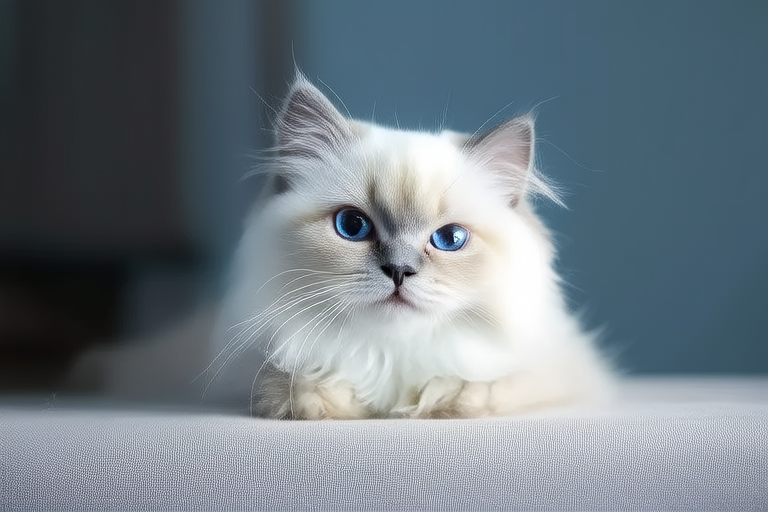
The Scottish Fold Cat: A Fluffy Companion with Distinctive Ears
The Scottish Fold cat is a unique and charming breed known for its distinctive folded ears and fluffy appearance. This breed has captured the hearts of many cat lovers with its appealing looks and friendly demeanor. In this article, we will explore the origins, physical characteristics, temperament, and health considerations of the Scottish Fold, as well as provide tips for potential owners on care, grooming, and training.
Origins and History
The Scottish Fold breed originated in Scotland in the 1960s when a shepherd named William Ross noticed a barn cat with unusual folded ears. This cat, named Susie, was the result of a spontaneous genetic mutation. The offspring of Susie and another barn cat, Betsy, inherited the fold gene, leading to the development of the Scottish Fold breed. Over time, selective breeding has produced cats with varying ear folds, ranging from a slight bend to a tightly folded position against the head. Today, the Scottish Fold is recognized by major cat registries around the world.
Physical Characteristics
The Scottish Fold is a medium-sized cat with a robust body and short legs. They have a round face, large eyes, and small, rounded ears that give them a distinctively cute and alert appearance. Their coat is thick and plush, which adds to their overall fluffy look. Scottish Folds come in a variety of coat colors and patterns, including solid colors, tabby, tortoiseshell, and calico. Their coat can be either long-haired or short-haired, with the long-haired variety having a silky texture and a fuller appearance. The short-haired version, on the other hand, has a dense undercoat that provides warmth and insulation.
Temperament and Behavior
Scottish Folds are known for their friendly and gentle nature, making them excellent companions for families and individuals alike. They are affectionate and enjoy being close to their human companions, often seeking out attention and cuddles. Despite their laid-back demeanor, Scottish Folds are also playful and curious, often engaging in interactive play with toys or even joining in family activities. Their intelligence and adaptability make them easy to train, and they can learn tricks such as fetching or playing fetch. However, it’s important to note that excessive handling of their ears can cause discomfort, so it’s best to avoid pulling or tugging on them.
Health Considerations
While Scottish Folds are generally healthy cats, they are prone to certain health issues due to their unique folded ears. One of the most common problems is osteochondrosis dissecans (OCD), a condition that affects the joints, particularly in the limbs. This condition can lead to lameness or arthritis, so it’s crucial to keep the cat at a healthy weight and provide regular exercise to prevent joint problems. Another concern is ear infections, which can occur if debris or moisture becomes trapped in the folded ear canal. Regular cleaning and monitoring of the ears can help prevent these issues. Additionally, Scottish Folds may be more susceptible to heart disease, so regular veterinary check-ups are recommended to monitor their overall health.
Compatibility with Families and Other Pets
Scottish Folds are known for their friendly and adaptable nature, making them great companions for families with children and other pets. They tend to get along well with dogs and other cats, provided they are introduced gradually and given time to adjust. Their calm and patient demeanor makes them ideal playmates for children, but it’s important to teach kids how to handle the cat gently and respect its boundaries. Overall, Scottish Folds are social and affectionate cats that thrive in environments where they receive plenty of attention and interaction.
Care, Grooming, and Training Tips
Proper care, grooming, and training are essential for maintaining the health and happiness of your Scottish Fold. Here are some tips to help you care for your feline friend:
- Grooming: Due to their thick coats, Scottish Folds require regular grooming to prevent matting and hairballs. Brushing them at least twice a week helps remove loose fur and keeps their coat shiny and healthy. Long-haired Scottish Folds may need daily brushing during shedding season to prevent tangles.
- Diet and Nutrition: Feed your Scottish Fold a high-quality, balanced diet appropriate for their age and activity level. Obesity can exacerbate joint problems, so it’s important to maintain a healthy weight through portion control and regular exercise. Consult with your veterinarian to determine the right diet for your cat.
- Exercise and Play: Encourage your Scottish Fold to stay active and engaged by providing them with toys and playtime. Interactive play sessions can help burn off excess energy and prevent behavioral issues. Puzzle toys and treat-dispensing gadgets can also stimulate their minds and keep them entertained.
- Training: Scottish Folds are intelligent and trainable, making them receptive to positive reinforcement techniques. Reward good behavior with treats, praise, or playtime to encourage desired actions. Avoid punishment, as it can create fear and stress in your cat.
Why the Scottish Fold is an Adorable Addition to Any Household
The Scottish Fold is an adorable addition to any household due to its unique appearance, friendly temperament, and endearing behaviors. Their distinctive folded ears and fluffy coats make them visually appealing, while their affectionate and playful nature makes them delightful companions. Whether you’re looking for a lap cat or a playful friend, the Scottish Fold is sure to bring joy and warmth to your home. With proper care, grooming, and training, they can thrive in various living situations and become cherished members of your family.
