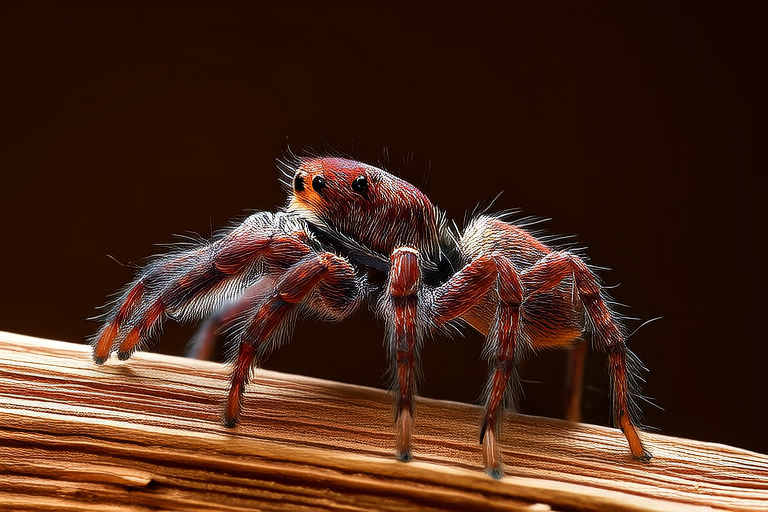
8 Surprising Facts That Will Change Your View on Tarantulas
Tarantulas have long been a source of fascination and fear, often misunderstood due to their large size and intimidating appearance. However, these spiders are much more complex and fascinating than many realize. From their unique hunting techniques to their surprising diets and habitats, there’s a lot more to tarantulas than meets the eye. This article delves into eight surprising facts that will change your view on these often-misunderstood creatures.
Fact 1: Tarantulas Are Not Aggressive
One of the most common misconceptions about tarantulas is that they are aggressive and prone to attacking humans. In reality, tarantulas are quite shy and generally avoid confrontation. They prefer to stay hidden and only come out at night when it’s cooler and less likely to encounter predators or prey. If threatened, a tarantula may lift its front legs in a defensive posture or flick urticating hairs from its abdomen to ward off attackers. These hairs can cause irritation but are not venomous. Tarantulas would rather flee than fight, making them far less dangerous than many people think.
Fact 2: Tarantulas Can Regrow Lost Limbs
Like many arachnids, tarantulas possess the remarkable ability to regenerate lost limbs. This process, known as autotomy, allows tarantulas to shed a limb if it becomes damaged or trapped. During their next molt, the missing limb will begin to regrow. The regenerated leg may not be as strong or as long as the original, but it provides the tarantula with a second chance at survival. This adaptation is crucial for tarantulas living in environments where they might frequently lose limbs to predators or accidents.
Fact 3: Tarantulas Have Unique Hunting Techniques
Contrary to popular belief, tarantulas are not passive hunters. While some species do rely on ambush tactics, others actively pursue their prey. Tarantulas are skilled hunters that use a combination of stealth, speed, and strength to capture their food. They typically hunt insects and other small invertebrates, but some larger species have been known to take down small vertebrates like frogs and mice. Tarantulas use their powerful jaws and venom to subdue prey, injecting a paralyzing neurotoxin that immobilizes their victims. Once the prey is immobilized, the tarantula injects digestive enzymes to liquefy the insides of its victim, allowing the spider to suck up the nutrients.
Fact 4: Tarantulas Can Live for Decades
Another surprising fact about tarantulas is their longevity. Many species can live for over 20 years in the wild, with some even reaching ages of 30 or more. In captivity, where they are protected from predators and environmental hazards, tarantulas can live even longer. The lifespan of a tarantula depends on several factors, including species, environment, and care. Some species, such as the Mexican red-knee tarantula, are particularly long-lived, making them popular pets among enthusiasts. Their long lifespans contribute to their value in scientific research and conservation efforts.
Fact 5: Tarantulas Have Poor Eyesight
Despite their intimidating appearance, tarantulas have relatively poor eyesight. Instead of relying on their vision, tarantulas use their sense of touch and vibrations to navigate their surroundings and locate prey. They have specialized hairs on their legs and body that allow them to detect even the slightest movements in the air or ground. This keen sense of touch helps tarantulas find food and avoid danger, making up for their limited vision. Tarantulas are also highly sensitive to chemical cues, which they use to identify potential mates or threats.
Fact 6: Tarantulas Are Not All Hairless
Many people associate tarantulas with their dense, hairy bodies, but not all tarantulas are covered in hair. While some species, like the Chilean rose tarantula, have thick coats of hair, others, such as the bald-legged tarantula, have very little hair on their legs. The amount and type of hair on a tarantula depend on its species and habitat. For example, tarantulas living in dry, sandy environments often have shorter, denser hair to protect them from sand and dust. Meanwhile, those in humid forests may have longer, sparser hair to help regulate moisture levels.
Fact 7: Tarantulas Have a Varied Diet
Although tarantulas are often associated with eating insects, their diet can vary widely depending on their species and environment. In addition to insects, some tarantulas consume small vertebrates like lizards, frogs, and even small birds. The largest tarantulas, such as the Goliath birdeater, can take down prey as large as mice and small snakes. Tarantulas use their powerful fangs and venom to subdue their prey, injecting a paralyzing neurotoxin that immobilizes their victims. Once the prey is immobilized, the tarantula injects digestive enzymes to liquefy the insides of its victim, allowing the spider to suck up the nutrients. This varied diet ensures that tarantulas can survive in a wide range of environments.
Fact 8: Tarantulas Are Not Just Found in Deserts
While tarantulas are often associated with deserts and arid regions, they can actually be found in a variety of habitats around the world. Tarantulas thrive in tropical rainforests, savannas, grasslands, and even in temperate regions. Different species of tarantulas have adapted to life in different environments, with some species living in burrows underground, while others build webs in trees or under rocks. Some species even live in caves or near water sources. The diversity of habitats in which tarantulas can be found highlights their adaptability and resilience as a species.
In conclusion, tarantulas are much more than just scary, hair-covered spiders. They are complex creatures with unique behaviors, diets, and adaptations that make them fascinating subjects of study. By understanding these surprising facts about tarantulas, we can appreciate the complexity and beauty of these often-misunderstood creatures. Whether you’re a seasoned arachnologist or simply curious about the natural world, there’s always something new to learn about tarantulas.
