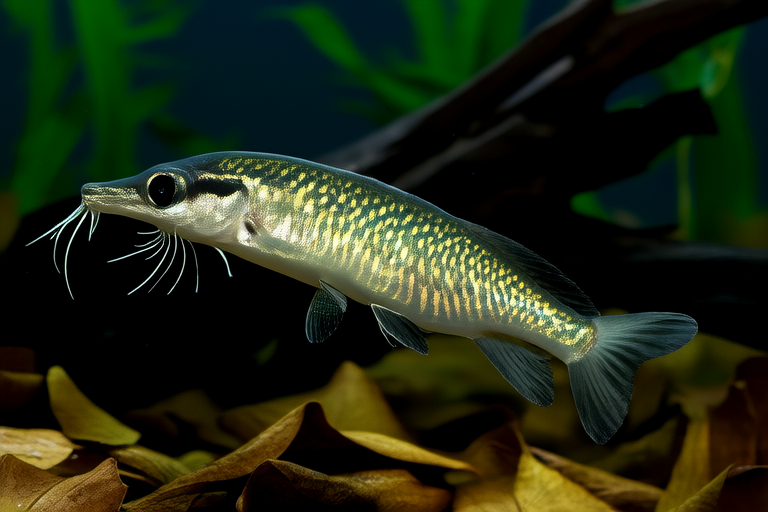
The Mythical Status of the Arowana Fish
The arowana, often referred to as the dragonfish due to its distinctive appearance, holds a special place in the hearts and minds of people across various cultures. Its historical significance, coupled with its cultural myths, makes it an intriguing subject for both enthusiasts and newcomers alike. This article delves into the multifaceted aspects of the arowana, exploring its historical background, cultural myths, scientific characteristics, and its role in the aquarium trade.
Historical Significance
The arowana has been revered for centuries, with its first recorded mention dating back to ancient Chinese texts. In these texts, the fish was described as a symbol of prosperity and good fortune. The arowana’s presence in these early writings speaks to its enduring appeal and the deep-rooted belief that it brings positive energy and success to those who possess it.
Cultural Myths Across Different Regions
In Southeast Asia, particularly in countries like Malaysia and Indonesia, the arowana is considered a powerful symbol of wealth and protection. According to local legends, the fish is believed to have the ability to ward off evil spirits and bring good luck to its owner. This belief is so strong that many families keep the arowana in their homes as a form of protection and good omen.
In contrast, the Chinese culture associates the arowana with the dragon, a creature that symbolizes power, strength, and good fortune. The fish’s sleek, elongated body and sharp teeth bear a striking resemblance to the mythical dragon, further cementing its place in Chinese folklore. It is said that owning an arowana can bring financial success and protection from misfortune.
Interestingly, the arowana also features prominently in the mythology of the Amazon basin. Here, it is often depicted as a guardian spirit, protecting rivers and lakes from pollution and ensuring the well-being of aquatic life. This myth reflects the deep respect that indigenous communities hold for the natural world and the important role that the arowana plays in maintaining ecological balance.
Scientific Facts About Behavior, Habitat, and Unique Physical Traits
From a scientific perspective, the arowana is a fascinating creature with unique physical traits that set it apart from other fish species. It possesses a bony tongue, which it uses to crush the shells of its prey, such as snails and crabs. This adaptation allows the arowana to thrive in environments where food sources may be scarce or difficult to access.
Another notable feature of the arowana is its ability to leap out of the water to catch birds and insects. This behavior, known as “surface feeding,” is a testament to the fish’s agility and hunting prowess. The arowana’s streamlined body and powerful tail fin enable it to navigate through the water with remarkable speed and precision.
The arowana’s habitat preferences vary depending on the species. Some prefer freshwater rivers and streams, while others thrive in brackish or saltwater environments. Regardless of their preferred habitat, arowanas are generally found in tropical regions, where the warm climate and abundant vegetation provide ideal conditions for growth and reproduction.
Reputation in the Aquarium Trade
The arowana’s reputation in the aquarium trade is one of luxury and exclusivity. Due to its high demand and limited supply, the fish commands exorbitant prices, with some specimens fetching hundreds of thousands of dollars. This high price tag is driven by several factors, including the fish’s rarity, its association with good luck, and its striking appearance.
Despite its popularity, the arowana faces numerous challenges in the aquarium trade. Overfishing, habitat destruction, and illegal poaching have all contributed to the decline of wild populations. As a result, many countries have implemented strict regulations to protect the arowana and ensure its survival for future generations.
Conservation Efforts and Endangered Status
The arowana is classified as endangered by the International Union for Conservation of Nature (IUCN), with several species facing extinction in the wild. Conservation efforts are underway to protect the arowana and promote sustainable breeding practices. These efforts include captive breeding programs, habitat restoration projects, and public awareness campaigns aimed at reducing demand for wild-caught specimens.
One of the most significant challenges facing conservationists is the difficulty of breeding arowanas in captivity. Unlike many other fish species, arowanas exhibit complex mating behaviors and require specific environmental conditions to reproduce successfully. However, advances in aquaculture technology and breeding techniques offer hope for the future of the arowana.
The Belief in Luck and Its Impact on Popularity and Protection Laws
The belief in the arowana’s ability to bring good luck has had a profound impact on its popularity and protection laws. In many countries, owning an arowana is seen as a status symbol, with wealthy individuals and businesses competing to acquire the most valuable specimens. This demand has fueled the black market trade in arowanas, contributing to the depletion of wild populations.
To address this issue, many governments have implemented strict regulations governing the import, export, and sale of arowanas. These regulations aim to prevent the overexploitation of wild populations and promote sustainable breeding practices. In addition, some countries have established protected areas where arowanas can live and breed in their natural habitats.
While the belief in the arowana’s ability to bring good luck has contributed to its popularity, it has also played a crucial role in its conservation. Many individuals and organizations are working to preserve the arowana not only for its intrinsic value but also for the cultural and economic benefits it provides.
Comparison with Other Mythical Creatures or Symbols of Fortune
The arowana shares similarities with other mythical creatures and symbols of fortune, such as the phoenix and the horseshoe. Like the phoenix, which rises from the ashes, the arowana is associated with rebirth and renewal. In many cultures, the arowana is believed to possess the power to rejuvenate and restore balance to its environment.
Similarly, the arowana shares the symbolic meaning of good fortune with the horseshoe. Both are believed to bring luck and prosperity to their owners. However, the arowana’s association with water and aquatic life sets it apart from other symbols of fortune. Its ability to leap out of the water and catch birds and insects adds an element of mystery and wonder to its mythology.
Conclusion
The arowana is a truly remarkable creature, both scientifically and culturally. Its unique physical traits, behavior, and habitat preferences make it a fascinating subject for study and admiration. At the same time, its cultural myths and beliefs surrounding its ability to bring good luck have cemented its place in folklore and popular culture.
As we continue to explore the arowana’s role in the aquarium trade and conservation efforts, it is important to remember the delicate balance between human desire and the natural world. By promoting sustainable breeding practices and protecting the arowana’s habitats, we can ensure that this magnificent fish continues to inspire and captivate us for generations to come.
