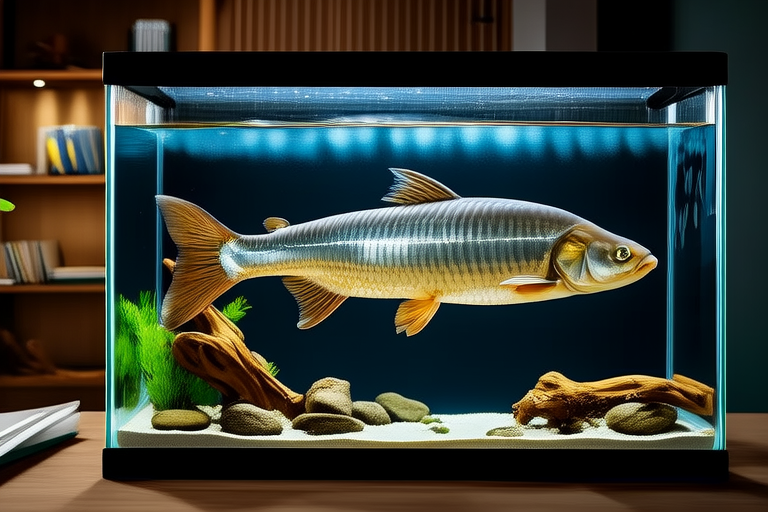
Arowana Enthusiast’s Dream: Setting Up the Perfect Habitat
For many aquarists, the graceful and majestic arowana is a dream fish to own. However, setting up the perfect habitat for this species requires careful planning and attention to detail. Arowanas are large, sensitive fish with specific environmental needs that must be met to ensure their health and longevity. This guide will walk you through the steps needed to create an ideal home for your arowana, from choosing the right tank to maintaining water quality and providing a stimulating environment.
Selecting the Appropriate Tank Size
The first step in setting up your arowana’s habitat is selecting the appropriate tank size. Arowanas are large, active fish that require ample space to swim and grow. For a single adult arowana, a tank measuring at least 48 inches long, 24 inches wide, and 24 inches deep is recommended. However, if you plan to house multiple arowanas or other compatible species, a larger tank is necessary. It’s important to note that arowanas can reach lengths of up to three feet, so providing adequate swimming space is crucial.
Filtration Systems
Effective filtration is essential for maintaining water quality in an arowana tank. Since arowanas are large fish that produce significant amounts of waste, a high-quality filtration system is necessary to keep the water clean and free from harmful substances. Canister filters or external power filters are highly recommended as they provide excellent mechanical, biological, and chemical filtration. These systems help remove debris, break down harmful chemicals, and maintain stable water conditions.
Water Parameters
Temperature
Optimal water temperature for arowanas ranges between 78°F and 84°F. Maintaining this temperature range is critical for their health and well-being. A reliable aquarium heater with a built-in thermostat is essential to ensure consistent water temperature. Regularly monitoring the water temperature with a thermometer will help you identify any fluctuations and make adjustments as needed.
pH and Hardness
Arowanas prefer slightly acidic to neutral water with a pH range of 6.5 to 7.5. The water hardness should be moderate, ideally between 5 and 15 dGH. Regular testing of water parameters using test kits will allow you to monitor these levels and make necessary adjustments to maintain optimal conditions. If your tap water has a different pH or hardness level, consider using a water conditioner or adding appropriate buffering agents to adjust the water parameters.
Lighting
Proper lighting is important for both the health of your arowanas and the overall aesthetics of the tank. Arowanas are diurnal fish, meaning they are most active during the day, so providing them with adequate light is essential. Fluorescent lights or LED fixtures that emit full-spectrum light are ideal for simulating natural daylight. Aim for 8 to 12 hours of light per day to mimic a day-night cycle. Additionally, incorporating floating plants or dimmable lights can create a more natural environment and reduce stress for your fish.
Decor and Substrate
Creating a stimulating environment that mimics the natural habitat of arowanas is key to their well-being. Start by selecting a substrate that is safe for your fish and easy to clean. Sand or small, smooth gravel are good choices as they prevent injuries and make it easier to siphon waste during maintenance. Decorate the tank with driftwood, rocks, and caves to provide hiding spots and resting areas. Floating plants, such as Amazon frogbit or water lettuce, can also be added to create a more natural look and provide additional cover for your arowanas.
Maintaining Water Quality
Water quality is paramount for the health of your arowanas. Regular water changes and proper filtration are crucial for maintaining clean, healthy water. Perform partial water changes of about 10-20% weekly, ensuring that the new water matches the existing water parameters in terms of temperature, pH, and hardness. Additionally, cleaning the filter media regularly and replacing it when necessary will help keep the water clean and clear. By consistently monitoring and maintaining water quality, you’ll create a stable environment that promotes the health and longevity of your arowanas.
Feeding Your Arowanas
Arowanas are carnivorous and require a diet rich in protein. They feed primarily on live or frozen foods, such as feeder fish, shrimp, worms, and insects. In addition to live food, you can offer high-quality commercial pellets designed for large carnivorous fish. It’s important to vary their diet to ensure they receive all the necessary nutrients. Feed your arowanas two to three times a week, offering only what they can consume within a few minutes to prevent overfeeding and water pollution.
Handling Your Arowanas
Due to their size and strength, handling arowanas requires caution and proper technique. When moving your arowana, use a large, sturdy net to gently guide them into a holding container filled with tank water. Avoid touching the fish directly as their scales can easily become damaged, leading to infections. Always handle your arowanas with care to minimize stress and ensure their safety.
Conclusion
Setting up the perfect habitat for your arowana is a rewarding endeavor that requires attention to detail and commitment to maintaining optimal water conditions. By following the guidelines outlined in this article, you’ll be well on your way to creating a thriving environment for your majestic fish. Remember, the key to successful arowana keeping lies in understanding and meeting their specific needs, from tank size and filtration to water parameters and feeding practices. With patience and dedication, you can enjoy the beauty and grace of these remarkable creatures in your own home.
