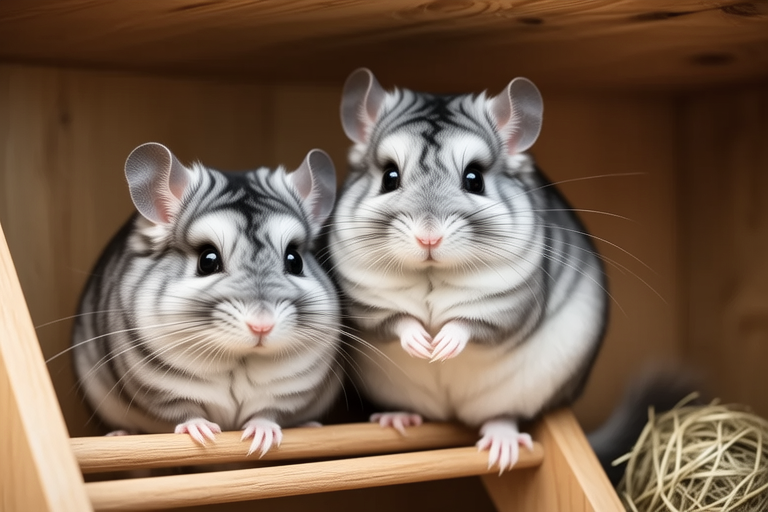
Adorable Chinchillas: The Ultimate Low-Maintenance Pet Companion
Welcome to the enchanting world of chinchillas! These small, fluffy creatures have captured the hearts of many pet enthusiasts with their soft, luxurious fur and playful demeanor. Chinchillas are native to the Andes Mountains in South America, where they thrive in high altitudes and cold climates. Their striking appearance and gentle nature make them one of the most sought-after pets today. This article will explore why chinchillas are considered the ultimate low-maintenance pet companions, delving into their care requirements, social behavior, and the importance of responsible adoption.
A Brief Introduction to Chinchillas
Chinchillas are small rodents that belong to the family Chinchillidae. They are known for their thick, soft fur, which consists of around 60 hairs per follicle. This makes their coat incredibly dense and plush, resembling that of a teddy bear. Their large, round ears and big, dark eyes add to their charming appearance. Chinchillas are naturally nocturnal animals, meaning they are most active during the night. They are curious and playful, often leaping and bouncing around their enclosures.
Low-Maintenance Care Requirements
Diet
Feeding your chinchilla a balanced diet is essential for maintaining their health. Chinchillas are herbivores and primarily consume hay, which should be available at all times. Timothy hay is the preferred choice, as it provides the necessary fiber for their digestive system. Additionally, chinchillas require a small amount of pellets specifically formulated for their species. Avoid feeding them seeds or nuts, as these can lead to obesity and dental problems. Fresh water should always be provided in a sipper bottle to prevent spillage.
Housing
Creating an appropriate living space for your chinchilla is crucial for their well-being. A spacious cage with multiple levels is ideal, allowing them room to jump and climb. The cage should be made of metal, as chinchillas can chew through plastic and wood. Line the bottom of the cage with dust or paper-based bedding, avoiding pine or cedar shavings, which can irritate their respiratory system. Provide nesting boxes and tunnels for hiding and sleeping, and include a variety of toys to keep them entertained. Ensure the cage is placed in a quiet area away from direct sunlight and drafts.
Grooming Needs
One of the most unique aspects of chinchillas is their grooming habits. Unlike other animals, chinchillas bathe in fine volcanic ash rather than water. This helps remove dirt and excess oils from their fur without causing damage. Provide a shallow pan filled with commercial chinchilla dust at least once a week, allowing them to roll around in it for about 10 minutes. Regular brushing can also help maintain their coat, but excessive grooming can lead to bald patches. Keep their nails trimmed regularly to prevent overgrowth and potential injuries.
Social Behavior and Interaction with Humans
Chinchillas are highly social animals that enjoy the company of others, whether it’s their human caretakers or fellow chinchillas. While they can live alone, having a companion chinchilla can provide them with the social interaction they need. However, it’s important to introduce them slowly and carefully to ensure compatibility. Chinchillas can bond closely with their owners, especially when given time and attention. Handling them gently and consistently can strengthen this bond. They may even learn to recognize their names and respond to simple commands.
Creating a Stimulating Environment
To keep your chinchilla active and happy, it’s important to provide them with a stimulating environment. In addition to toys and tunnels mentioned earlier, consider adding exercise wheels, ladders, and platforms to encourage physical activity. Rotate toys periodically to prevent boredom and maintain interest. Chinchillas are intelligent creatures that enjoy problem-solving, so puzzle feeders or treat-dispensing toys can offer mental stimulation. Providing a variety of textures and materials in their enclosure, such as cardboard boxes or wooden blocks, can also enhance their sensory experience.
Responsible Adoption and Long-Term Commitment
Adopting a chinchilla is a significant decision that requires careful consideration. Before bringing one home, ensure you have the time, resources, and knowledge to provide proper care. Research reputable breeders or shelters that prioritize the welfare of their animals. Be prepared for a long-term commitment, as chinchillas can live up to 20 years. During this time, they will rely on you for their physical and emotional needs. Regular veterinary check-ups, vaccinations, and parasite control are essential for maintaining their health.
In conclusion, chinchillas make wonderful pet companions due to their adorable appearance, playful nature, and relatively low-maintenance care requirements. By understanding their dietary needs, providing suitable housing, and creating a stimulating environment, you can ensure your chinchilla lives a healthy and happy life. Remember, adopting a chinchilla is a lifelong commitment that requires dedication and responsibility. With proper care and attention, these charming little creatures will bring joy and companionship to your home for many years to come.
