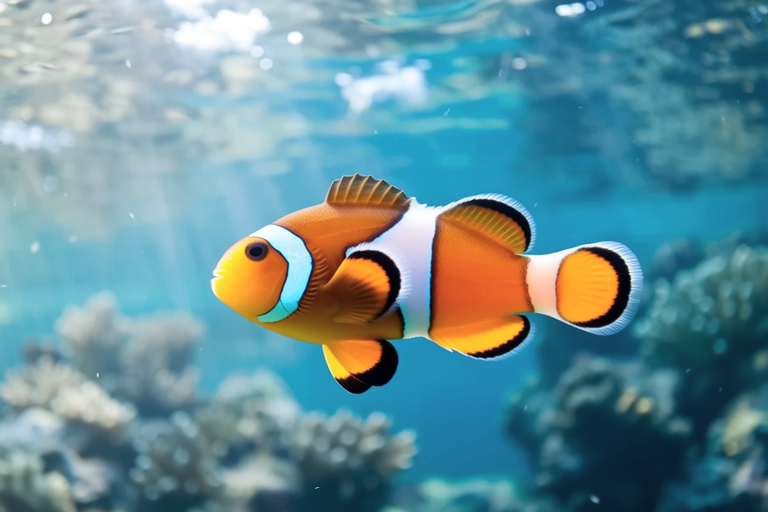
Clownfish in Captivity: Tips for Keeping These Sea Stars Happy
Welcome to the wonderful world of clownfish! These colorful and charming fish have captured the hearts of many aquarists. From the vibrant orange and white stripes of the Ocellaris clownfish to the electric blue accents of the Percula clownfish, these marine creatures bring a splash of color and personality to any aquarium. However, keeping clownfish happy and healthy requires more than just placing them in a tank. This guide will walk you through the essentials of clownfish care, from setting up the perfect tank to maintaining their health and well-being.
Tank Setup Requirements
Creating a suitable habitat for your clownfish is crucial for their comfort and happiness. Clownfish are native to the tropical waters of the Indo-Pacific region, so they thrive in environments that mimic their natural habitats. Here’s what you need to consider when setting up your tank:
- Tank Size: Clownfish can grow up to 4 inches in length, so a minimum tank size of 30 gallons is recommended for a single pair. If you plan to keep multiple pairs or add other fish, you’ll need a larger tank.
- Water Parameters: Maintain a temperature range between 76°F and 82°F, with a pH level between 8.1 and 8.4. Keep the specific gravity at 1.020 to 1.025, and ensure the water is well-oxygenated.
- Filtering and Aeration: Invest in a high-quality filter that provides mechanical, biological, and chemical filtration. This helps maintain water quality by removing waste, harmful chemicals, and excess nutrients. An air stone can also help oxygenate the water.
- Lighting: Clownfish are diurnal (active during the day), so they benefit from consistent lighting cycles. Use a full-spectrum LED light that simulates natural daylight and provide 8-12 hours of light per day.
- Hiding Places: Clownfish love to hide and explore. Incorporate live rock, caves, and other structures into your tank setup to give them plenty of places to feel secure.
Suitable Water Conditions
Maintaining stable and appropriate water conditions is vital for the health of your clownfish. Regular testing and maintenance are key to preventing stress and disease. Here are some tips to ensure optimal water quality:
- Regular Testing: Test your water weekly for ammonia, nitrite, and nitrate levels. Ammonia and nitrite should be undetectable, while nitrates should be kept below 20 ppm.
- Water Changes: Perform partial water changes every two weeks, replacing about 10-20% of the tank water. Be sure to use a high-quality dechlorinator to neutralize any harmful chemicals in tap water.
- Temperature Control: Invest in a reliable heater to maintain a steady temperature within the recommended range. Fluctuations can cause stress and weaken the immune system of your clownfish.
- Salinity Levels: Use a hydrometer to monitor salinity and ensure it stays within the recommended range. Consistent salinity levels are crucial for maintaining the health of saltwater fish.
Diet Recommendations
Feeding your clownfish a balanced diet is essential for their growth and overall health. Clownfish are omnivorous, meaning they eat both plant and animal matter. Here’s what you should feed them:
- Variety of Foods: Offer a mix of high-quality flake food, pellets, frozen foods like brine shrimp, and occasional treats such as mysis shrimp or bloodworms. This variety ensures they receive all necessary nutrients.
- Frequency of Feeding: Feed your clownfish twice daily, providing only what they can consume within a few minutes. Overfeeding can lead to poor water quality and obesity.
- Supplements: Consider adding vitamin supplements to their diet, especially if you notice signs of malnutrition or deficiencies. Look for products specifically formulated for marine fish.
Compatible Tank Mates
Choosing the right tank mates is important for maintaining harmony in your aquarium. Clownfish are generally peaceful but can become territorial, especially when breeding. Here are some fish species that typically get along well with clownfish:
- Other Clownfish: While clownfish can be territorial, they often coexist peacefully with others of their own species. Just ensure you have enough space and hiding spots to accommodate them.
- Peaceful Saltwater Fish: Gobies, blennies, and dartfish are gentle and small enough to coexist peacefully with clownfish. Avoid aggressive or large fish that may bully or outcompete them for food.
- Invertebrates: Clownfish can live harmoniously with certain invertebrates, such as cleaner shrimp and hermit crabs. However, avoid placing them with predatory species like lionfish or triggerfish.
Common Health Issues
Despite proper care, clownfish can still encounter health issues. Early detection and prompt treatment are key to ensuring their well-being. Here are some common problems to watch out for:
- Fungal Infections: Fungus often appears as cotton-like growths on the fish’s body. It can occur due to poor water quality or physical damage. Treat affected areas with antifungal medications and improve water conditions.
- Ich (White Spot Disease):
- Parasitic Infestations: Parasites can cause skin lesions, fin rot, and lethargy. Quarantine new additions to the tank and treat infected fish with appropriate medications.
- Stress-Related Issues: Stress can manifest as loss of appetite, rapid breathing, or erratic swimming. Address the underlying cause, such as overcrowding or poor water quality, to alleviate stress.
Practical Tips for Maintaining a Healthy Environment
Keeping your clownfish happy and healthy requires ongoing effort and attention. Here are some practical tips to help you maintain a thriving aquarium:
- Monitor Water Quality: Regularly test your water parameters and perform routine maintenance to prevent issues before they arise.
- Provide Mental Stimulation: Clownfish are curious and active, so provide toys, puzzles, and enrichment activities to keep them engaged.
- Observe Behavior: Pay close attention to your clownfish’s behavior. Any sudden changes could indicate stress or illness.
- Quarantine New Additions: Always quarantine new fish, plants, and decorations for at least two weeks to prevent introducing diseases or parasites into your main tank.
- Consult Experts: Don’t hesitate to reach out to local aquarium clubs, online forums, or professional aquarists for advice and support.
Conclusion
Raising clownfish in captivity can be a rewarding and enjoyable experience. By providing a suitable tank setup, maintaining optimal water conditions, offering a balanced diet, selecting compatible tank mates, and addressing common health issues promptly, you can ensure your clownfish lead happy and healthy lives. Remember, patience and dedication are key to becoming a successful aquarist. With the right knowledge and care, your clownfish will thrive and bring endless joy to your home aquarium.
