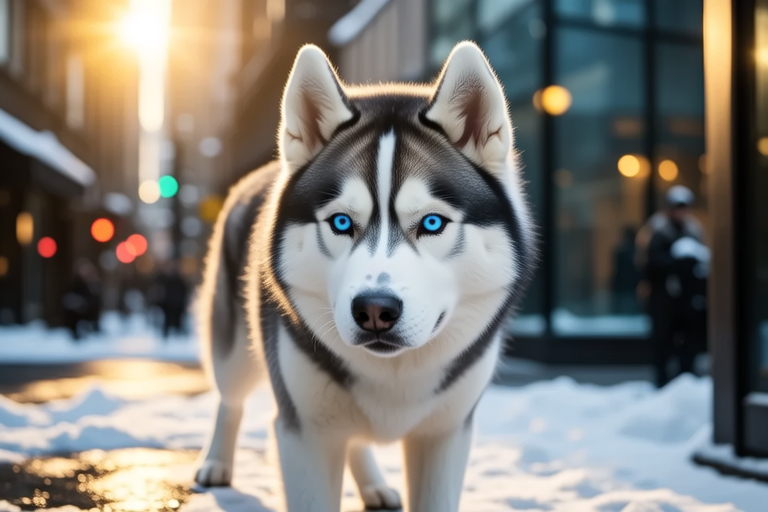
From Tundra to Urban Jungle: The Ultimate Siberian Husky Survival Guide
Welcome to the world of Siberian Huskies! These majestic creatures, originally bred by the Chukchi people of Northeastern Asia, have a rich history that spans centuries. Known for their endurance, intelligence, and striking appearance, Siberian Huskies have been working dogs, companions, and even stars of the silver screen. However, transitioning from their native tundra to the bustling urban jungle can be challenging. This guide aims to provide you with essential tips and strategies to ensure your Siberian Husky thrives in an urban environment.
The History and Breed Characteristics
Siberian Huskies were initially developed to pull sleds across long distances in harsh Arctic conditions. Their sleek, double-layered coats and robust build make them perfectly adapted to the cold. They are known for their friendly disposition, making them excellent family pets. Despite their docile nature, they are also fiercely independent, which can sometimes pose challenges in an urban setting.
Exercise Needs
One of the most significant challenges for Siberian Husky owners in urban areas is meeting their high exercise requirements. In the tundra, Huskies would cover vast distances daily, maintaining their physical fitness naturally. In cities, however, space constraints and limited opportunities for extended outdoor activities can lead to pent-up energy. It’s crucial to find creative ways to keep your Husky active.
Regular walks are a must, but consider adding more stimulating activities like agility training or interactive games. These not only satisfy their need for physical exertion but also engage their minds, keeping them mentally sharp and less likely to become destructive due to boredom.
Dietary Requirements
Just as they would consume a variety of foods in the wild, Siberian Huskies in urban environments benefit from a balanced diet. High-quality dog food that includes a mix of proteins, fats, and carbohydrates is ideal. Given their high-energy levels, it’s important to ensure they receive adequate nutrition to fuel their daily activities.
Consult your veterinarian about specific dietary needs based on your Husky’s age, weight, and activity level. Avoid overfeeding, as obesity can lead to various health issues. Incorporating a mix of raw and cooked foods can also be beneficial, ensuring a varied diet that mimics their natural eating habits.
Grooming Tips
The thick, double coat of a Siberian Husky requires regular maintenance. While they shed seasonally, consistent brushing helps manage shedding throughout the year. Use a slicker brush to remove loose hair and prevent matting. During peak shedding seasons, daily brushing may be necessary.
Bathing should be done sparingly, ideally every few months, to avoid stripping the natural oils from their skin. Regular ear cleaning and nail trimming are also essential to maintain overall hygiene and prevent infections.
Socialization Techniques
Siberian Huskies are social animals, accustomed to living and working in packs. In urban environments, this pack mentality translates to a desire for companionship and interaction. Early socialization is key to ensuring your Husky gets along well with other pets and humans.
Expose your Husky to various environments and situations from a young age. This includes different people, animals, sounds, and sights. Positive reinforcement training methods work best for building confidence and good behavior. Socialization also helps prevent anxiety, which can manifest as aggression or excessive barking in unfamiliar settings.
Common Health Issues
Despite their hardiness, Siberian Huskies are prone to certain health issues. Hip dysplasia, a condition affecting the hip joint, is common among large breeds. Regular veterinary check-ups and maintaining a healthy weight can help mitigate the risk.
Another concern is progressive retinal atrophy (PRA), a degenerative eye disease. Early detection through regular eye exams can slow its progression and improve your Husky’s quality of life. Regular visits to the vet for screenings are crucial in managing these and other potential health issues.
Intelligence and Energy Levels
Siberian Huskies are incredibly intelligent, which can sometimes lead to mischief if not properly channeled. Their energy levels are high, making them excellent runners but also requiring mental stimulation to prevent boredom. Providing puzzle toys and training sessions can keep their minds engaged.
Training a Siberian Husky requires patience and consistency. They respond well to positive reinforcement, such as treats and praise, rather than harsh corrections. Teaching basic commands and establishing routines helps set clear expectations and boundaries, fostering a harmonious relationship.
Creating a Balanced Environment
Understanding the balance between their natural instincts and urban living is vital for a happy, healthy Siberian Husky. While they love the outdoors, providing a safe, enclosed area where they can run freely is crucial. Fences should be secure and tall enough to prevent escape attempts, as Huskies are known for their strong desire to explore.
Urban parks and trails offer opportunities for off-leash play, allowing your Husky to stretch their legs and burn off excess energy. Always ensure they wear identification tags and are microchipped for added security.
Conclusion
Raising a Siberian Husky in an urban environment requires dedication and creativity. By understanding their roots and tailoring your approach to meet their unique needs, you can ensure your Husky leads a fulfilling, happy life. From providing ample exercise to ensuring proper grooming and socialization, each step contributes to their overall well-being. With the right care and attention, your Siberian Husky can thrive in the city, just as they have in the tundra for generations.
