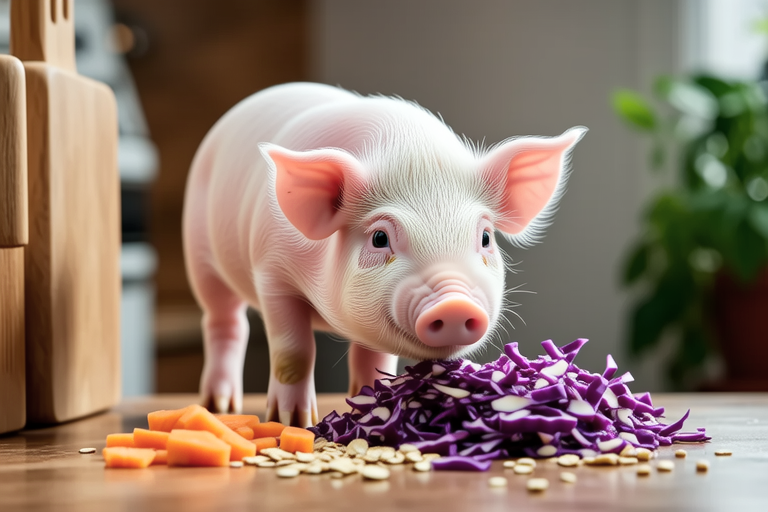
The Surprising Diet of Mini Pigs: What You Need to Know Before Adopting
Mini pigs have become increasingly popular as pets, often surprising owners with their intelligence, loyalty, and unique personalities. However, one of the most common misconceptions about these adorable creatures is their size. Despite their name, mini pigs can grow quite large, and their dietary needs are far from miniature. Understanding the nutritional requirements of mini pigs is crucial for their health and well-being, ensuring they live long, happy lives as cherished family members.
A Common Misconception: Size and Dietary Needs
Many people mistakenly believe that mini pigs are small and require minimal care. In reality, mini pigs can reach weights of up to 75 pounds or more, depending on the breed. Their dietary needs are just as extensive as larger breeds, if not more so. Proper nutrition is essential for maintaining their health and preventing obesity, a common but avoidable problem in this species.
Nutritional Requirements: A Balanced Diet
Mini pigs thrive on a balanced diet rich in fiber and low in sugar and fat. Fiber is particularly important because it aids in digestion and helps maintain a healthy gut microbiome. Conversely, too much sugar and fat can lead to obesity, diabetes, and other health issues. Therefore, it’s vital to provide mini pigs with a diet that meets these nutritional needs.
Vegetables: A Key Component
Vegetables form the cornerstone of a mini pig’s diet. They are an excellent source of fiber and essential vitamins and minerals. Leafy greens such as spinach, kale, and romaine lettuce are highly recommended. Root vegetables like carrots, beets, and sweet potatoes are also beneficial, though they should be given in moderation due to their higher sugar content.
Fruits: A Sweet Treat
Fruits can be a delightful addition to a mini pig’s diet but should be served sparingly. Berries, apples, and bananas are nutritious choices, but they are high in natural sugars and should not make up a significant portion of the diet. It’s essential to remove seeds and pits, which can be harmful.
Grains: The Staple
Grains provide necessary carbohydrates and are a staple in a mini pig’s diet. Whole grains like oats, barley, and brown rice are ideal. These grains offer complex carbohydrates that are slowly digested, providing sustained energy throughout the day. Avoid refined grains and products made with white flour, as they lack essential nutrients and can contribute to weight gain.
Commercial Pig Feed: A Convenient Option
Commercial pig feeds designed specifically for mini pigs are widely available and can be a convenient way to ensure your pet receives all necessary nutrients. Look for high-quality feeds that list whole grains and vegetables as primary ingredients, avoiding those with excessive fillers or artificial additives. Always check the label for specific nutrient profiles and consult with a veterinarian before making any changes to your mini pig’s diet.
Cautionary Foods: What to Avoid
While many human foods are safe for mini pigs, some can be harmful or even toxic. Chocolate, for instance, contains theobromine, a compound that is toxic to pigs. Avocados, despite being a popular fruit, contain persin, which can cause respiratory distress and heart failure in pigs. Processed human foods, especially those high in salt, sugar, and unhealthy fats, should be avoided entirely. Feeding your mini pig table scraps can lead to obesity, digestive issues, and other health problems.
Portion Control and Feeding Schedules
Proper portion control and regular feeding schedules are critical in preventing obesity. Mini pigs should be fed twice daily, with the amount adjusted based on age, activity level, and overall health. Overfeeding can lead to rapid weight gain, joint problems, and a shortened lifespan. A general rule of thumb is to feed no more than 2% of the pig’s body weight in food per day, primarily consisting of vegetables and grains.
Establishing a consistent feeding routine also helps regulate metabolism and promotes better digestion. Avoid free-feeding, where food is left out for the pig to graze at will, as it can lead to overeating and poor eating habits. Instead, use portion-controlled meals to monitor intake and ensure your mini pig receives the right amount of nutrients.
The Role of Veterinarians and Ongoing Education
Consulting with a veterinarian is essential when adopting a mini pig. A professional can provide personalized dietary recommendations based on the pig’s specific needs and help identify any potential health issues early on. Regular check-ups are crucial for monitoring growth and ensuring the pig remains healthy.
Ongoing education about your mini pig’s nutritional needs is equally important. As your pig grows and ages, its dietary requirements may change. Stay informed about new research and best practices in mini pig care, and don’t hesitate to ask questions or seek advice from experts. By staying proactive and attentive, you can ensure your mini pig enjoys a long, healthy life.
Conclusion: A Happy and Healthy Companion
Mini pigs are wonderful companions, bringing joy and laughter into our lives. However, their unique dietary needs must be carefully considered to keep them healthy and thriving. By understanding and meeting these needs, you can ensure your mini pig lives a long, happy life. Remember, proper nutrition is the foundation of good health, and with the right approach, you can provide your mini pig with everything it needs to flourish. Happy pig parenting!
