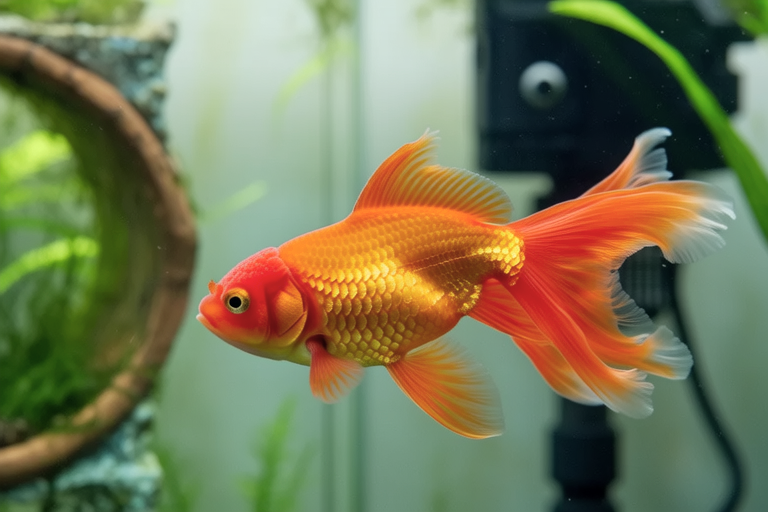
Myths vs. Reality: Separating Fact from Fiction in Goldfish Care
Welcome to the fascinating world of goldfish care! These delightful creatures have captivated aquarium enthusiasts for centuries. However, amidst the charm, numerous myths have proliferated, often leading to misconceptions about their care. In this article, we will debunk some of the most common myths and provide you with accurate, science-backed information to ensure your goldfish thrive. We’ll also offer essential tips for maintaining a healthy environment for your aquatic companions.
Common Myths About Goldfish Care
Myth 1: Goldfish Can Live in Small Bowls
One of the most enduring myths is that goldfish can live happily in small bowls. This misconception has led many new owners to purchase tiny tanks or decorative bowls for their fish. The truth is, goldfish need ample space to swim freely and maintain their health.
Myth 2: Goldfish Have a Three-Second Memory
Another popular myth is that goldfish have a three-second memory. While goldfish may not remember every detail for days, they possess a surprising capacity for learning and memory. Studies have shown that goldfish can recognize patterns, solve mazes, and even recall conditioned responses after several weeks.
Myth 3: Goldfish Only Need Water Changes Once a Month
Many believe that goldfish only require monthly water changes. In reality, goldfish produce waste that can quickly degrade water quality if not managed properly. Regular water changes are crucial for maintaining a healthy living environment.
Myth 4: Any Fish Food Will Do
It’s a common belief that any type of fish food will suffice for goldfish. However, goldfish have specific dietary needs that must be met to avoid health issues. A balanced diet is essential for their well-being.
Debunking the Myths: Facts and Science-Based Information
Fact: Goldfish Need Adequate Space
Goldfish are active swimmers and require spacious tanks to thrive. A single goldfish should ideally have at least 20 gallons of water. For each additional fish, add another 10 gallons. Larger tanks reduce stress, allow for better swimming, and help maintain water quality.
Fact: Goldfish Possess Good Memory
Research indicates that goldfish can learn and remember tasks for several weeks. They can distinguish between different shapes, colors, and sounds, showcasing their intelligence and adaptability. Providing stimulating environments, such as hiding spots and toys, can enhance their cognitive abilities.
Fact: Regular Water Changes Are Essential
Water quality directly impacts goldfish health. Ammonia, nitrite, and nitrate levels can rise rapidly in poorly maintained tanks, leading to toxic conditions. Weekly partial water changes (25-50%) help dilute these harmful substances and keep the water clean. Additionally, using a reliable filter and testing kits ensures optimal water parameters.
Fact: Diet Matters
A varied diet is crucial for goldfish. High-quality pellets, flakes, and occasional treats like vegetables or live foods provide necessary nutrients. Avoid overfeeding, as excess food can pollute the water. Feeding once or twice daily is sufficient, and only what the fish can consume within two minutes.
Tips for Proper Goldfish Care
Suitable Tank Size
As mentioned, goldfish require substantial space. A 20-gallon tank for one fish is a good starting point. Remember, overcrowding leads to poor water quality and stress. Regularly monitor water parameters and perform maintenance tasks to keep the environment pristine.
Diet and Nutrition
A balanced diet is key to keeping goldfish healthy. High-quality commercial goldfish food provides essential nutrients. Supplement with occasional treats like blanched vegetables (e.g., peas, zucchini) and live or frozen foods (e.g., brine shrimp, daphnia). Rotate foods to prevent boredom and ensure nutritional variety.
Water Conditions
Maintaining appropriate water conditions is vital. Goldfish prefer cooler temperatures (68-74°F) and slightly alkaline pH (7.0-8.0). Use a heater and thermometer to regulate temperature, and test kits to monitor water chemistry. Install a reliable filter to promote biological filtration and maintain cleanliness.
The Importance of Responsible Pet Ownership
Owning goldfish is a rewarding experience, but it comes with responsibilities. Providing proper care requires commitment and attention to detail. By understanding and addressing the myths surrounding goldfish care, you can create a thriving environment for your aquatic friends.
Responsible pet ownership means being prepared for long-term care. Goldfish can live up to 10-15 years under ideal conditions. Regular visits to a veterinarian specializing in fish can help diagnose and treat potential health issues early. Additionally, joining local or online communities can provide support and valuable insights from fellow enthusiasts.
Resources for Further Learning
For those eager to learn more, several resources are available:
- Books: Titles like “The Truth About Goldfish” by David Alderton and “A Complete Guide to Goldfish” by Martin Moe offer comprehensive insights into goldfish care.
- Websites: Websites such as Goldfish Care Guide and Aquarium Advice provide articles, forums, and community support.
- Videos: YouTube channels like Real Monsters and Aquarium Addicts feature tutorials, reviews, and behind-the-scenes content.
By staying informed and committed to best practices, you can ensure your goldfish enjoy a long, healthy life. Happy fishkeeping!
