How Parrot Fish Shape Our Oceans and Why We Need Them
Introduction:
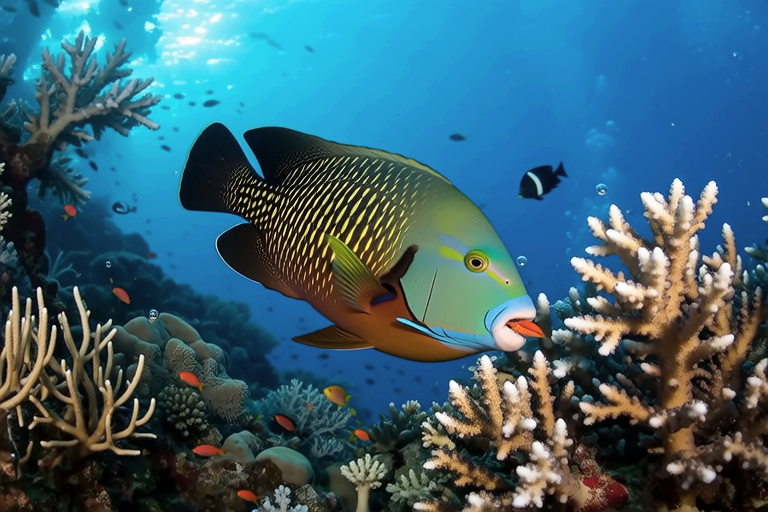
Parrot fish are vibrant, eye-catching creatures that grace our oceans with their striking colors and unique appearance. These fish, known for their beak-like mouths and colorful scales, are not just a sight to behold; they play a crucial role in maintaining the health of coral reefs, which are vital to the overall marine ecosystem. This article delves into the world of parrot fish, exploring their fascinating behaviors, ecological significance, and the critical need for their conservation.
The Unique Appearance and Behavior of Parrot Fish
Parrot fish come in a dazzling array of colors, from electric blues and greens to vibrant yellows and oranges. Their name derives from their beak-like mouth, equipped with fused teeth that resemble a parrot’s beak. This unique feature allows them to scrape algae and small organisms from rocks and coral. Parrot fish are also known for their ability to change color and sex throughout their lives, a phenomenon known as sequential hermaphroditism. Some species start life as females and later transition into males, while others begin as males and switch to female when necessary.
In addition to their distinctive appearance, parrot fish have intriguing behaviors that make them stand out in the underwater world. They are often seen swimming in schools, creating a mesmerizing display of color and movement. One of the most fascinating aspects of their behavior is their habit of sleeping in a cocoon of mucus. Each night, some species secrete a protective mucus envelope around themselves, which is thought to mask their scent from predators and possibly even protect them from parasites.
The Ecological Role of Parrot Fish in Coral Reef Health
Parrot fish play a vital role in maintaining the health of coral reefs through their feeding habits. These fish primarily feed on algae that grow on coral surfaces. By grazing on algae, they help prevent its overgrowth, which can otherwise smother and kill coral polyps. Without the constant cleaning provided by parrot fish, coral reefs would be more susceptible to degradation and could lose their structural integrity.
The process of feeding involves parrot fish scraping away at the surface of corals with their beak-like mouths. As they do so, they ingest tiny pieces of coral along with the algae. The ingested coral is then processed through their digestive system and excreted as sand. This activity is particularly important because it contributes significantly to the formation of beaches and islands in tropical regions. For instance, the Maldives and other tropical islands owe much of their sandy beaches to the work of parrot fish.
The Impact of Losing Parrot Fish Populations on Ocean Biodiversity and Reef Sustainability
The loss of parrot fish populations can have severe consequences for ocean biodiversity and reef sustainability. Coral reefs, often referred to as the rainforests of the sea, are home to approximately 25% of all marine species. When parrot fish are absent or severely depleted, algae can take over, leading to what is known as phase shifts. In such cases, the once-diverse and vibrant coral-dominated ecosystems can turn into algae-dominated ones, drastically reducing the habitat available for numerous species.
Real-world examples illustrate the dire effects of declining parrot fish populations. In parts of the Caribbean, overfishing has led to significant declines in parrot fish numbers. Consequently, many reefs have experienced increased algal growth, reduced coral cover, and decreased biodiversity. This trend threatens not only the marine life that depends on these reefs but also the livelihoods of communities that rely on fishing and tourism.
The Importance of Conservation Efforts for Parrot Fish
Conservation efforts aimed at protecting parrot fish are essential for preserving the health of coral reefs and the broader marine ecosystem. Initiatives such as marine protected areas (MPAs) and sustainable fishing practices can help maintain healthy parrot fish populations. MPAs provide safe havens where fish can reproduce and grow without the threat of overfishing. By safeguarding these areas, we can ensure that parrot fish continue to perform their vital ecological functions.
Additionally, educating local communities about the importance of parrot fish can foster a sense of stewardship and encourage responsible fishing practices. Collaborative efforts between scientists, policymakers, and community leaders can lead to effective conservation strategies that benefit both people and the environment. For example, some communities have successfully implemented no-fishing zones within their territories, resulting in healthier parrot fish populations and improved reef conditions.
Moreover, international cooperation is crucial for addressing the global challenges faced by parrot fish and coral reefs. Organizations like the International Union for Conservation of Nature (IUCN) work to promote policies and practices that support marine conservation. By working together, nations can share knowledge, resources, and best practices to protect parrot fish and the ecosystems they inhabit.
Conclusion
Parrot fish are more than just beautiful and fascinating creatures; they are indispensable to the health and sustainability of coral reefs. Their unique feeding habits contribute to the prevention of algae overgrowth, which is crucial for maintaining the structural integrity and biodiversity of coral reefs. The loss of parrot fish populations can lead to significant declines in reef health, impacting countless species and the communities that depend on them.
By understanding the critical role that parrot fish play in our oceans, we can appreciate the importance of conservation efforts. Protecting these fish not only preserves the beauty and diversity of coral reefs but also ensures the long-term health of our marine ecosystems. Through collaborative efforts and a commitment to sustainable practices, we can safeguard the future of parrot fish and the invaluable services they provide.
