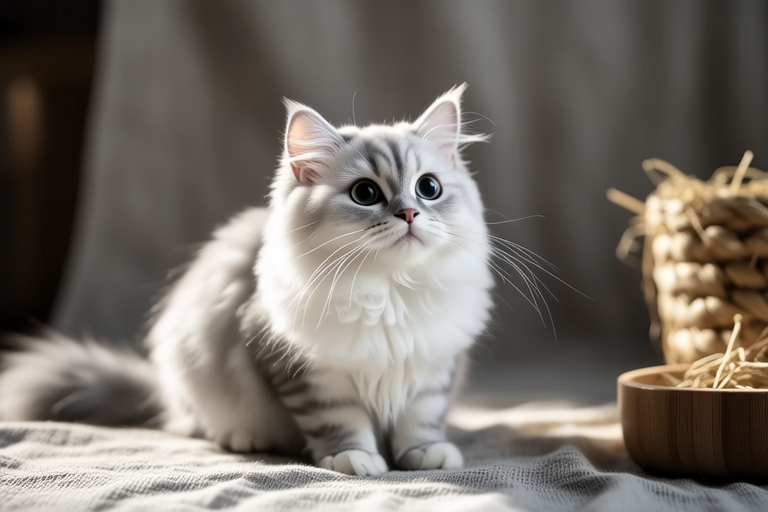
From Fluffy Friends to Furry Companions: All You Need to Know About Chinchillas
Chinchillas have become increasingly popular as exotic pets, captivating many with their unique appearance and delightful personalities. These small mammals are known for their incredibly soft fur, which inspired their name derived from the Chincha people of the Andes, who once wore clothing made from it. Chinchillas are not just pretty faces; they also possess fascinating behaviors and require specific care to thrive. This article will guide you through everything you need to know about these fluffy friends, from their origins to their dietary needs and grooming habits.
Origins and Physical Characteristics
Native to the Andes Mountains of South America, chinchillas live at high altitudes where they are adapted to cold climates and rocky terrains. Their thick, plush fur serves as insulation against harsh weather conditions, making them well-suited for their natural habitat. The fur itself is one of the most remarkable features of chinchillas; it’s so dense that even individual hairs can’t be seen with the naked eye. Each square inch of their skin contains more than 20,000 hairs, giving them a velvety texture.
In addition to their luxurious coats, chinchillas exhibit other distinctive traits. They have large ears, which help regulate body temperature, and long whiskers that aid in navigation. Their hind legs are longer than their front ones, allowing them to leap great distances—up to six feet horizontally or three vertically. This jumping ability is crucial for escaping predators in the wild. Despite their agility, chinchillas are generally calm and docile animals when kept in captivity.
Care Needs Based on Their Origins
The high-altitude environment of the Andes has shaped chinchillas’ physiological adaptations, which must be considered when providing care for pet chinchillas. Since they evolved in areas with low humidity and cool temperatures, maintaining similar conditions indoors is essential. Optimal living spaces should have controlled humidity levels below 40% and maintain temperatures between 60°F and 70°F (15°C to 21°C).
To replicate the rocky environments found in their native habitat, chinchillas enjoy climbing and playing on platforms and ramps within their enclosures. Providing ample space for exercise helps prevent obesity and keeps them mentally stimulated. Additionally, ensuring access to dust baths several times per week mimics their natural cleaning behavior and promotes healthy skin and coat.
Proper Housing
Adequate housing is critical for the well-being of your chinchilla. An appropriate cage should be large enough to allow movement and exploration without feeling cramped. A minimum size of 3 feet wide by 2 feet deep by 3 feet tall is recommended for a single chinchilla. Multi-level cages with various platforms, tunnels, and toys encourage physical activity and mental engagement.
Wire flooring is preferable over solid surfaces because it allows urine and droppings to fall through, reducing odors and preventing bacterial growth. However, wire floors may cause foot injuries if left untrimmed, so providing soft bedding materials like paper pulp pellets or fleece liners can protect their delicate paws. Avoid cedar or pine shavings, as these emit aromatic oils harmful to chinchillas.
Dietary Requirements
Chinchillas are herbivores, primarily consuming hay, fresh water, and specialized pellets designed specifically for their species. Timothy hay forms the bulk of their diet, providing essential nutrients while promoting dental health. Alfalfa hay can be offered occasionally but should not replace timothy hay entirely due to its higher calcium content, which could lead to urinary tract problems.
Commercial chinchilla pellets offer balanced nutrition but shouldn’t dominate the diet. Fresh vegetables such as carrots, broccoli, and dandelion greens can supplement meals, though moderation is key. Introduce new foods gradually to avoid digestive upset. Always provide unlimited access to clean, fresh water, preferably via a sipper bottle attached securely to the side of the cage.
Grooming and Health Maintenance
Regular grooming ensures your chinchilla remains healthy and comfortable. Dust baths play a vital role in maintaining cleanliness and preventing skin issues. Fill a shallow container with chinchilla-safe dust, allowing your pet to roll around for approximately 15 minutes every few days. Monitor the duration carefully, as prolonged exposure can irritate the respiratory system.
Trimming nails periodically prevents overgrowth, which can hinder movement and cause discomfort. Use nail clippers made for small animals and trim only the tips to avoid cutting into the quick, which contains blood vessels and nerves. Consult a veterinarian if unsure about proper technique.
Common health issues include dental problems, bloat, and respiratory infections. Regular veterinary check-ups help detect early signs of illness. Signs of distress include lethargy, loss of appetite, excessive salivation, or labored breathing. Prompt treatment improves recovery chances significantly.
Handling and Socialization Tips
Gentle handling is paramount when interacting with chinchillas due to their fragile bones and sensitive nature. Approach slowly and calmly, offering treats to build trust. Allow them to sniff your hand before attempting to pick up. Support their body fully during lifting, avoiding sudden movements that might startle them.
Socializing chinchillas requires patience and consistency. Spend quality time together daily, engaging in activities like playing fetch or offering supervised freedom outside the cage under supervision. Positive reinforcement through praise and rewards strengthens bonds and encourages desirable behaviors.
Finding a Reputable Breeder or Rescue Organization
Adopting from a reputable breeder or rescue organization ensures you bring home a healthy, well-socialized chinchilla. Research potential sources thoroughly, asking questions about breeding practices, health records, and temperament assessments. Visit facilities in person if possible, observing conditions and staff interactions.
Rescue organizations often house chinchillas relinquished by previous owners unable to provide adequate care. These animals may require extra attention and rehabilitation efforts but offer rewarding companionship. Whichever route you choose, prioritize ethical sourcing and commitment to lifelong responsibility.
Conclusion
Chinchillas make wonderful pets for those willing to invest time and effort into understanding their needs. By learning about their origins, physical characteristics, and specific care requirements, you can ensure a happy, healthy life for your fluffy friend. Remember always to handle them gently, provide proper housing, and consult professionals when necessary. With love and dedication, you’ll enjoy years of companionship with these charming creatures.
