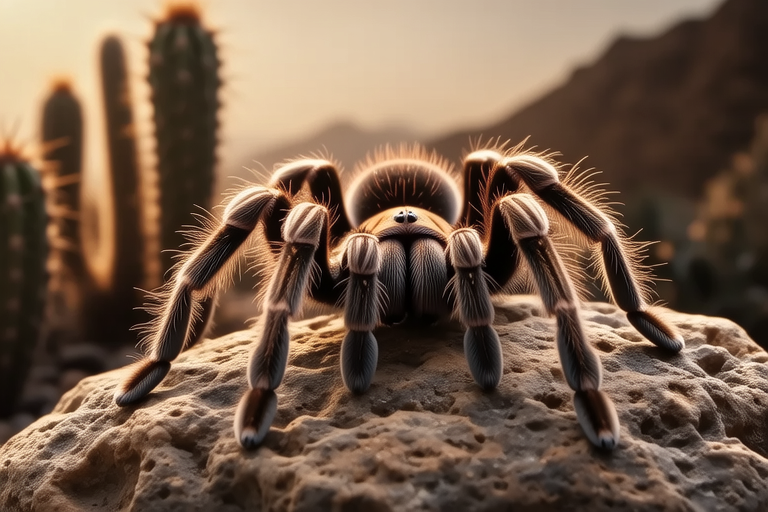
Beyond the Fright: The Gentle Nature of Chilean Rose Tarantulas Explained
When most people think of tarantulas, images of large, hairy, and terrifying spiders often come to mind. These creatures are frequently misunderstood and feared due to their intimidating appearance and popular portrayals in media. However, there is much more to tarantulas than meets the eye. This article aims to shed light on the gentle nature of Chilean rose tarantulas, debunking common myths and providing valuable information for potential pet owners.
Dispelling Common Fears
The first step in understanding the true nature of Chilean rose tarantulas is to address the common fears that surround them. Many people fear tarantulas because of their size, the way they look, or the belief that they are aggressive and dangerous. In reality, tarantulas, including the Chilean rose variety, are generally docile and pose little threat to humans. They are not aggressive unless provoked, and even then, their bites are rarely harmful to humans.
Chilean rose tarantulas, also known as Grammostola rosea, are native to the deserts of South America, particularly in Chile and Argentina. They have a distinctive pinkish hue, which gives them their name. Their appearance is striking, with long legs and a hairy body, but beneath this intimidating exterior lies a creature that is surprisingly gentle.
Appearance and Habitat
Chilean rose tarantulas are medium-sized spiders, typically growing up to 4 inches in leg span. Their bodies are covered in fine hairs, which can range from light brown to deep pink, depending on the individual. These hairs serve several purposes, including protection from predators and sensing vibrations in the environment. Despite their appearance, these spiders are quite delicate and should be handled with care.
In their natural habitat, Chilean rose tarantulas are found in arid regions, where they live in burrows or crevices. They are nocturnal creatures, emerging at night to hunt for insects and other small prey. Their natural environment is characterized by sandy soil and sparse vegetation, making it easy for them to blend into their surroundings. When kept as pets, it’s important to replicate these conditions to ensure their well-being.
Care Requirements
Maintaining a Chilean rose tarantula as a pet requires attention to specific care requirements. First and foremost, the enclosure must provide a suitable environment for the spider. A glass or plastic terrarium with a secure lid is ideal, ensuring that the spider cannot escape while still allowing for proper ventilation. The substrate should be a mix of sand and soil, mimicking their natural habitat. It’s essential to keep the enclosure clean and free from moisture, as tarantulas are susceptible to respiratory issues if their environment becomes too damp.
Feeding a Chilean rose tarantula is relatively simple. They require live insects, such as crickets, mealworms, or dubia roaches, fed approximately once every week or two. It’s crucial to avoid overfeeding, as tarantulas can become obese if provided with excessive food. Additionally, a shallow water dish should be available for drinking, although tarantulas obtain most of their hydration from their prey.
Myths vs. Facts
One of the most prevalent myths about tarantulas is that they are aggressive and prone to biting. While it’s true that tarantulas have venomous fangs, their bite is generally harmless to humans. In fact, many tarantulas prefer to flee rather than fight when confronted with danger. Another myth is that tarantulas are solitary creatures that cannot coexist with others. While it’s true that they are not social animals, adult Chilean rose tarantulas can sometimes be housed together if introduced carefully.
Another misconception is that tarantulas are dirty and carry diseases. In reality, tarantulas are relatively clean animals that groom themselves regularly. As long as their enclosure is maintained properly, there is no significant risk of disease transmission to humans. It’s always a good idea to wash your hands after handling a tarantula or its enclosure to maintain hygiene.
Tips for Potential Pet Owners
For those considering keeping a Chilean rose tarantula as a pet, there are several important factors to consider. First, it’s essential to research thoroughly before purchasing a spider. Ensure that you have the necessary knowledge and resources to provide proper care. It’s also advisable to purchase from reputable breeders or pet stores that prioritize the health and well-being of their animals.
Handling your tarantula should be done with caution. Always use a soft brush or paper towel to gently coax the spider out of its enclosure, rather than picking it up directly. Tarantulas can be easily startled, so it’s important to move slowly and calmly around them. Over time, with consistent gentle handling, many tarantulas become accustomed to human interaction and can even be trained to tolerate being held.
One of the most rewarding aspects of owning a Chilean rose tarantula is observing its unique behaviors. Watching them hunt, molt, or interact with their environment can be fascinating and educational. Additionally, tarantulas are relatively low-maintenance pets compared to other exotic animals, requiring minimal daily care and attention.
A Fascinating and Low-Maintenance Pet
Chilean rose tarantulas make fascinating and low-maintenance pets, suitable even for初次注入, 1500-2000 words, content should not contain links, please format the content using HTML tags, do not use markdown tags, generate content in English
