Chilean Rose Tarantulas Uncovered: Debunking Myths and Providing Real Facts
The Chilean rose tarantula (Grammostola rosea) is one of the most popular pet tarantulas worldwide. Native to the arid regions of Chile, this species has captivated the hearts of many arachnid enthusiasts due to its striking appearance and manageable size. In this article, we will explore the origins, appearance, behavior, diet, habitat, and care requirements of the Chilean rose tarantula. Additionally, we will address common myths surrounding these fascinating creatures and provide scientifically backed facts to set the record straight.
Origins and Appearance
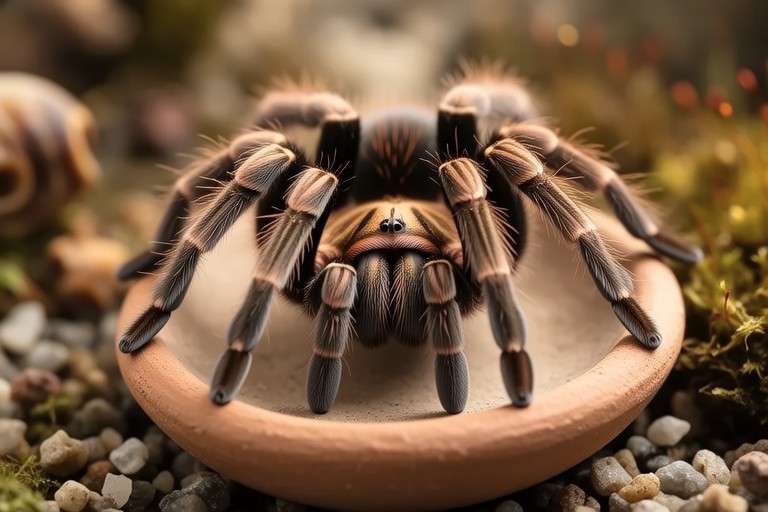
The Chilean rose tarantula hails from the deserts and scrublands of northern Chile. This region’s harsh climate, characterized by hot days and cool nights, has shaped the evolution of this species. The tarantula’s body is covered in fine hairs, giving it a velvety appearance. Its coloration ranges from light pink to deep red, which is where it gets its name. These colors serve as camouflage, helping the tarantula blend into its surroundings and avoid predators.
Debunking Common Myths
Myth 1: Chilean Rose Tarantulas Are Highly Aggressive
One of the most prevalent myths about the Chilean rose tarantula is that it is aggressive. Many people believe that these spiders will attack at the slightest provocation. However, this could not be further from the truth. In reality, the Chilean rose tarantula is quite docile and prefers to avoid confrontation. When threatened, they often display a defensive posture, known as ‘tibial spitting,’ where they release a cloud of urticating hairs from their abdomen. This behavior is a form of self-defense rather than an aggressive attack. It is important to handle these tarantulas with care and respect, but there is no need to fear aggression.
Myth 2: Their Venom Is Potent
Another misconception about the Chilean rose tarantula is that its venom is highly potent. While it is true that all tarantulas possess venom, the venom of the Chilean rose tarantula is relatively mild. Their venom serves primarily to immobilize small prey items like insects and is not harmful to humans. In fact, the effects of a bite from a Chilean rose tarantula are similar to those of a bee sting, causing localized pain and swelling that typically subsides within a few hours. This makes them a safer choice for beginners who are interested in keeping tarantulas as pets.
Real Facts About Behavior, Diet, and Habitat
Behavior
Chilean rose tarantulas are nocturnal creatures, meaning they are most active during the night. They spend their days hiding in burrows or other sheltered areas to avoid the heat and potential predators. At night, they emerge to hunt for food and explore their surroundings. These tarantulas are solitary animals and prefer to live alone, except during mating season. Males and females come together only briefly for breeding, after which they go their separate ways.
Diet
In the wild, Chilean rose tarantulas feed on a variety of insects, including crickets, grasshoppers, and beetles. As pets, they can be fed a diet of appropriately sized crickets, mealworms, and dubia roaches. It is important to ensure that the prey items are gut-loaded (fed nutritious foods) before offering them to the tarantula. This practice helps provide the tarantula with essential nutrients. Feeding frequency depends on the tarantula’s age and size, but generally, they should be fed once every week or two.
Habitat
Chilean rose tarantulas thrive in dry, warm environments. Their natural habitat consists of sandy or rocky deserts and scrublands. When kept as pets, it is crucial to replicate these conditions as closely as possible. A suitable enclosure should have a substrate of sand or coconut fiber, providing a layer of several inches for burrowing. Temperature and humidity levels should be maintained between 75°F and 85°F (24°C to 29°C) and around 60% humidity, respectively. Providing a hide spot, such as a cork bark tube or a flowerpot, allows the tarantula to feel secure and comfortable.
Care Requirements for Pet Owners
For those considering a Chilean rose tarantula as a pet, proper care is essential for their well-being. The following guidelines will help ensure your tarantula lives a long and healthy life:
- Enclosure: Choose an appropriate-sized tank with a secure lid. A general rule of thumb is to provide at least 3-5 gallons of space per inch of the tarantula’s leg span. Ensure the enclosure has adequate ventilation.
- Substrate: Use a substrate that mimics their natural environment, such as sand or coconut fiber. This substrate should be deep enough to allow burrowing and easy to maintain.
- Temperature and Humidity: Maintain the temperature between 75°F and 85°F (24°C to 29°C) and humidity around 60%. Use thermometers and hygrometers to monitor these conditions accurately.
- Feeding: Feed appropriately sized insects once every week or two. Always remove uneaten prey to prevent overfeeding and contamination.
- Handling: Handle your tarantula with care, using a soft brush or tongs. Avoid handling unless necessary, as excessive handling can cause stress.
Tips for Responsible Ownership and Conservation Efforts
While the Chilean rose tarantula is a popular pet, it is important to approach ownership responsibly and contribute to conservation efforts. Here are some tips for responsible ownership:
- Research: Before purchasing a tarantula, thoroughly research their care requirements and ensure you are prepared to meet them. Consider the long-term commitment involved in owning a pet tarantula.
- Responsible Breeding: Support reputable breeders who prioritize the health and welfare of their animals. Avoid purchasing wild-caught tarantulas, as this can contribute to habitat destruction and population decline.
- Conservation: Participate in local conservation efforts and spread awareness about the importance of protecting natural habitats. Encourage others to support sustainable practices and reduce their ecological footprint.
- Educational Outreach: Share your knowledge about tarantulas with others, helping to dispel myths and promote understanding. Engage with local schools, clubs, and community groups to educate people about these fascinating creatures.
In conclusion, the Chilean rose tarantula is a remarkable species with unique characteristics and behaviors. By understanding their origins, appearance, behavior, diet, and habitat, we can better appreciate these creatures and provide them with the care they deserve. It is our responsibility as pet owners and members of the global community to ensure the continued survival of the Chilean rose tarantula and other tarantula species. Through responsible ownership and conservation efforts, we can help preserve these incredible animals for future generations to admire and study.
