How to Fix Common Home Issues on a Budget
Fix Your Home Issues Without Spending A Fortune
Introduction
Homeowners often face various issues that require immediate attention. Whether it's a dripping faucet, flickering light, or a cracked wall, these problems can be frustrating and costly if left unattended. However, many common home issues can be resolved with simple DIY solutions and a bit of creativity. This article aims to provide practical advice on how to fix these common home issues on a budget, ensuring your living space remains comfortable and safe.
1. Plumbing Problems
Identifying Common Plumbing Issues
One of the most frequent complaints among homeowners is plumbing-related problems. Leaky faucets, clogged drains, and running toilets are just a few examples. These issues not only waste water but also increase your utility bills. Fortunately, many of these problems can be fixed with minimal effort and basic tools.
DIY Solutions for Plumbing Issues
- Leaky Faucet: Tighten or replace the washer inside the valve seat. Use a wrench to loosen the handle set screw, then remove the handle and stem. Replace the worn-out washer with a new one from your local hardware store.
- Clogged Drains: Pour boiling water down the drain to dissolve grease and soap buildup. Alternatively, use baking soda and vinegar as a natural cleaner. Pour half a cup of baking soda followed by half a cup of vinegar into the drain, wait for five minutes, then flush with hot water.
- Running Toilets: Check the flapper valve at the bottom of the tank. If it’s damaged or doesn’t seal properly, replace it. You can find replacement flappers at any home improvement store.
Tips for Preventing Future Plumbing Issues
To avoid recurring plumbing problems, ensure proper maintenance. Regularly check pipes for leaks, clean drains with a plunger or plumber’s snake, and test the functionality of all fixtures.
2. Electrical Repairs
Common Electrical Problems
Electrical issues can range from minor annoyances like flickering lights to more serious concerns like tripped circuit breakers. While some problems may require professional intervention, many can be diagnosed and repaired safely by homeowners.
Simple Steps to Diagnose and Repair Electrical Issues
- Faulty Outlets: Test the outlet with a voltage tester to determine if it’s receiving power. If it’s dead, reset the breaker or fuse box. If the problem persists, consider replacing the outlet.
- Tripped Circuit Breakers: Locate the breaker that corresponds to the affected area and switch it off, then back on. If it trips again, there might be an overloaded circuit or a short circuit. In such cases, consult a licensed electrician.
- Flickering Lights: Check for loose bulbs or frayed wires. Ensure all connections are secure. If the issue continues, inspect the wiring within the fixture or call an electrician.
Advice on When to Call a Professional Electrician
While DIY repairs can save money, certain electrical issues should not be tackled alone. Always prioritize safety. If you're unsure about the cause of the problem or if the issue involves complex wiring, it’s best to hire a professional.
3. HVAC Maintenance
Recognizing Signs of HVAC System Needs Attention
Your heating, ventilation, and air conditioning (HVAC) system plays a crucial role in maintaining a comfortable indoor environment. Common signs that your HVAC system needs attention include unusual noises, fluctuating temperatures, and higher energy bills.
Cost-Effective Ways to Maintain and Improve HVAC Efficiency
- Regular Filter Replacement: Dirty filters reduce airflow and force the system to work harder, leading to increased energy consumption. Change filters every 1-3 months depending on usage.
- Sealing Ductwork: Leaky ducts can result in significant energy loss. Seal gaps with duct tape or mastic sealant to improve efficiency.
- Seasonal Maintenance: Schedule annual tune-ups with a qualified technician to ensure optimal performance and longevity.
Seasonal Maintenance Tips
In addition to regular maintenance, perform specific tasks during different seasons to maximize your HVAC system's performance. For example, clean or replace outdoor unit coils before summer and winter to prevent blockages.
4. Structural Fixes
Addressing Minor Structural Issues
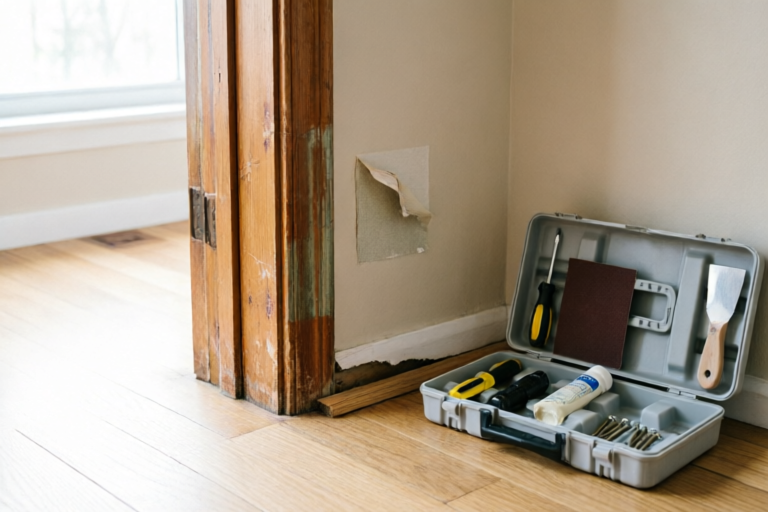
Minor structural issues like cracks in walls, uneven floors, and loose door frames can detract from the aesthetics and functionality of your home. However, these problems can often be addressed without extensive renovations.
Techniques for Repairing Structural Problems
- Cracks in Walls: Apply a flexible caulk or spackle to small cracks. For larger cracks, use epoxy filler or concrete patch. Sand and repaint the area for a seamless finish.
- Uneven Floors: Use self-leveling compound to even out slightly uneven floors. Follow manufacturer instructions carefully for best results.
- Loose Door Frames: Tighten screws or add shims behind the frame to align doors properly. If necessary, replace warped hinges or install new ones.
Recommendations for Reinforcing Weak Areas
To prevent further damage, reinforce weak areas with additional supports or braces. Consult with a contractor if you suspect foundational issues.
5. Painting and Finishing Touches
Improving the Appearance of Your Home
A fresh coat of paint or new finishes can dramatically transform your living space. With the right techniques and color choices, you can enhance the look of your home while staying within budget.
Budget-Friendly Painting Techniques
- Preparation: Clean and sand surfaces thoroughly before painting. Remove old paint with a scraper or chemical stripper if necessary.
- Color Schemes: Choose colors that complement each other and suit your personal style. Neutral tones create a calm atmosphere, while bold hues add vibrancy.
- Application: Use quality brushes and rollers for smooth application. Apply multiple thin coats instead of one thick coat for better coverage.
Low-Cost Ways to Enhance Surfaces Beyond Painting
- Wallpaper: Add wallpaper borders or full-wall designs to create focal points.
- Decorative Trim: Install crown molding, baseboards, or wainscoting to add architectural interest.
- Stencils: Use stencils to create intricate patterns on walls or ceilings.
Conclusion
This article has covered various common home issues and provided practical, budget-friendly solutions for addressing them. By taking proactive steps, homeowners can save money while maintaining a safe and comfortable living environment. Remember, prevention is key—regular maintenance can help avoid major repairs down the road.
Comments

Really helpful article. I'm planning to do some preventive maintenance this weekend.

Adding decorative trim was a game changer. Made my old kitchen look brand new!
Tried the budget-friendly painting tips. My living room looks amazing now! Thanks for the color scheme ideas!
Cracked wall here. Tried some of the fixes but still not perfect. Anyone else had this problem?

I've been struggling with my AC. It's so noisy lately. Any advice before I call an HVAC guy?

Great tips on electrical stuff! Quick question though, what's the best way to test a GFCI outlet?

Just fixed my leaky faucet using the tips from this article. Saved me $100 on a plumber! 🚰