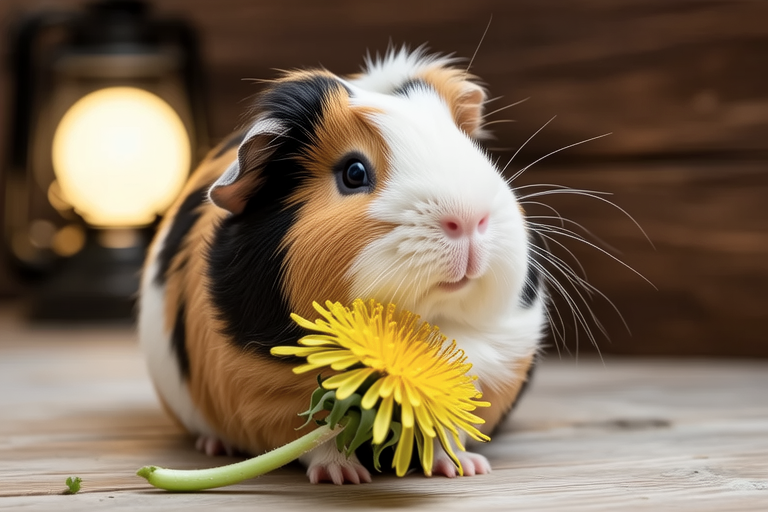
Top 10 Fun Facts About Your Adorable Guinea Pig
Guinea pigs, or cavies as they’re scientifically known, have been cherished companions for centuries. These small, furry creatures are not only delightful to look at but also fascinating to learn about. From their quirky behaviors to their unique vocalizations, there’s always something new to discover about these adorable pets. In this article, we will explore ten fun and interesting facts that will make you appreciate your guinea pig even more.
1. A Rich History: From Andes to Your Home
Believe it or not, guinea pigs didn’t originate from the country of Guinea, nor are they pigs. They hail from the Andes Mountains in South America, where they were domesticated by the Incas over 3,000 years ago. Initially kept as food sources and for their fur, guinea pigs later became popular pets in Europe during the 16th century. Today, they are beloved household pets all around the world, bridging cultures and continents.
2. The Social Butterfly: Guinea Pigs Love Company
Guinea pigs are incredibly social animals. In the wild, they live in groups called herds, and they thrive on interaction. They enjoy the company of other guinea pigs, but they also form strong bonds with their human families. It’s not uncommon for them to greet their owners with cheerful squeaks and nuzzles, seeking attention and affection. If you’re considering adopting a guinea pig, remember that they do best when they have a companion, so consider getting two.
3. Vocal Maestros: The Language of Squeaks and Whistles
Guinea pigs are surprisingly vocal animals, using a variety of sounds to communicate. Their repertoire includes purring, chirping, whistling, and, of course, squeaking. Each sound serves a different purpose, from expressing contentment to alerting others of potential danger. For instance, a high-pitched squeal might indicate fear or pain, while a low, rumbling sound could be a sign of contentment. Understanding these vocal cues can help you better connect with your pet.
4. The Herbivore’s Delight: What Guinea Pigs Eat
Guinea pigs are strict herbivores, which means their diet consists entirely of plant-based foods. Their favorite treat is fresh hay, which is essential for their digestive health. Additionally, they love leafy greens such as romaine lettuce, kale, and parsley. However, not all vegetables are safe for guinea pigs; some, like iceberg lettuce, can cause digestive issues. Always ensure a balanced diet, including pellets formulated specifically for guinea pigs and a constant supply of fresh water.
5. The Grooming Guru: Guinea Pigs Keep Themselves Clean
Like many other small animals, guinea pigs are meticulous groomers. They spend a significant portion of their day cleaning themselves, much like cats. They use their teeth to nibble away dirt and debris from their fur, ensuring they stay clean and tidy. While they take care of most of their grooming, regular brushing by their human caretakers can help keep their coats shiny and prevent matting. This mutual grooming activity also strengthens the bond between you and your pet.
6. The Jumping Jack: Guinea Pigs Can Be Quite Athletic
Despite their small size, guinea pigs are surprisingly athletic. They can jump up to six times their own height! This impressive feat is made possible by their strong hind legs, which they use for quick escapes from predators or just to play. Watching your guinea pig leap around its enclosure can be quite entertaining. Providing them with ample space and obstacles to jump over can encourage this natural behavior and keep them physically active.
7. The Sleepyhead: Guinea Pigs Nap Often
Guinea pigs are diurnal animals, meaning they are most active during the day. However, they also enjoy taking frequent naps throughout the day and night. On average, they sleep for about four hours a day, often in short bursts. Unlike humans, they don’t enter deep sleep but rather nap lightly, always ready to wake up quickly if necessary. Observing your guinea pig’s sleeping patterns can be a delightful way to understand its daily routine.
8. The Nocturnal Explorer: Guinea Pigs Are Crepuscular
Although guinea pigs are generally active during the day, they are actually crepuscular, which means they are most active during dawn and dusk. This behavior is an evolutionary adaptation that helps them avoid larger predators who are more active during the day or night. As a pet owner, you might notice your guinea pig being particularly energetic during these times, exploring its environment and interacting with its surroundings.
9. The Dental Dynamo: Teeth That Never Stop Growing
One of the most unique features of guinea pigs is their continuously growing teeth. This is why they need to chew constantly to wear down their teeth and prevent overgrowth. Providing them with plenty of hay and chew toys is crucial for their dental health. Overgrown teeth can lead to serious health issues, so it’s important to monitor their dental condition regularly and consult a veterinarian if you notice any problems.
10. The Sensory Wonder: Guinea Pigs Have Amazing Hearing and Smell
Guinea pigs have highly developed senses of hearing and smell, which help them navigate their environment and detect potential dangers. Their large ears can pick up a wide range of frequencies, allowing them to hear sounds that are imperceptible to humans. Similarly, their keen sense of smell enables them to identify familiar scents and recognize threats. This heightened sensory awareness makes guinea pigs adept at sensing changes in their surroundings, whether it’s the arrival of a new toy or the presence of a predator.
Conclusion
Guinea pigs are truly remarkable animals, full of character and charm. Whether it’s their social nature, unique vocalizations, or impressive athleticism, there’s always something new to learn about these delightful creatures. By understanding their needs and behaviors, you can provide them with the best possible care and enjoy a rewarding relationship with your pet. So, next time you interact with your guinea pig, take a moment to appreciate the wonder of these fascinating little animals.
