Paws and Effect: The Unique Traits That Make Siberian Huskies Irresistible
Siberian Huskies have captured the hearts of dog lovers around the world with their striking appearance, spirited and friendly nature, and remarkable intelligence. These dogs are more than just pretty faces; they possess a unique blend of traits that make them truly irresistible. From their colorful coats to their piercing blue or multi-colored eyes, Siberian Huskies are a breed apart. This article delves into what makes Siberian Huskies so special, exploring their physical characteristics, personality, exercise requirements, and much more.
Striking Appearance
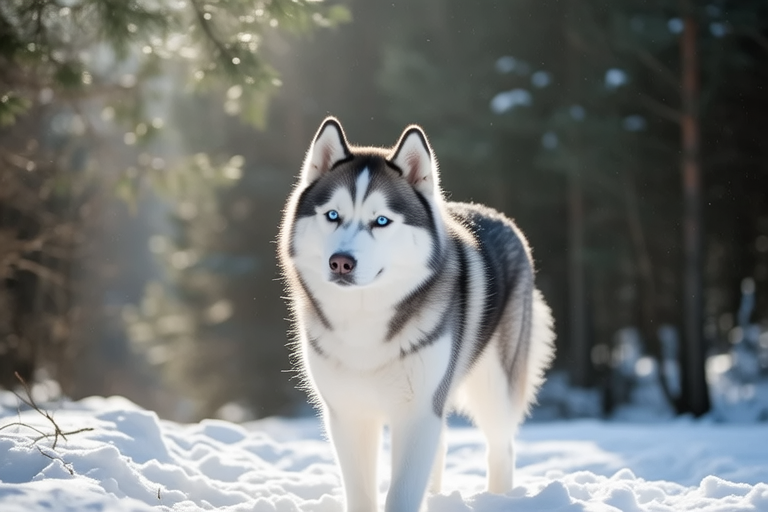
The first thing that often draws people to Siberian Huskies is their striking appearance. These dogs come in a variety of colors, including black, white, gray, and copper. Their coats can be solid or marked with patches or streaks of different hues, adding to their uniqueness. One of the most distinctive features of Siberian Huskies is their eyes, which can be blue, brown, or even a combination of both, creating a mesmerizing effect. These eye colors, combined with their thick, luxurious coats, give them a look that is both wild and captivating.
Another notable feature of Siberian Huskies is their medium-sized build. They have a sturdy frame that is well-suited to their active lifestyle. Their ears are triangular and stand erect, giving them an alert and attentive appearance. Their tails are bushy and curled over their backs, adding to their overall charm. All these physical attributes combine to create a dog that is not only beautiful but also functional, designed to thrive in harsh, cold climates.
Spirited and Friendly Nature
Beyond their looks, Siberian Huskies are known for their spirited and friendly nature. They are social animals that enjoy being around people and other animals. Their playful demeanor and affectionate attitude make them great companions for families and individuals alike. Despite their independent streak, Siberian Huskies are generally good-natured and rarely aggressive, making them ideal pets for households with children.
However, it’s important to note that while Siberian Huskies are friendly, they are also highly intelligent and can be quite independent. This independence means they may not always follow commands as readily as some other breeds. Owners need to be patient and consistent in training to ensure their Husky listens and responds appropriately. Despite this, their intelligence and loyalty make them wonderful companions, and once they bond with their owners, they will stick by their side through thick and thin.
Intelligence and Exercise Needs
Siberian Huskies are one of the most intelligent dog breeds, ranking among the top ten in Stanley Coren’s book “The Intelligence of Dogs.” This intelligence is reflected in their ability to solve problems, learn new tricks, and adapt to different situations. However, their intelligence also means they require mental stimulation to prevent boredom and destructive behavior. Providing them with toys, puzzles, and interactive games can help keep their minds sharp and engaged.
In addition to mental stimulation, Siberian Huskies have high exercise needs due to their heritage as working dogs. Originally bred by the Chukchi people of northeastern Asia to pull sleds across long distances, Siberian Huskies are built for endurance and speed. They need regular physical activity to stay healthy and happy. Daily walks, runs, or play sessions are essential for maintaining their physical fitness and preventing behavioral issues caused by pent-up energy.
History and Origins
To understand why Siberian Huskies are so irresistible, we must look at their history and origins. The breed traces its roots back to the Chukchi people of northeastern Asia, who used these dogs for sledding and herding reindeer. Siberian Huskies were valued for their strength, endurance, and ability to withstand extreme temperatures. Their history as working dogs has shaped their physical and behavioral traits, making them the unique and beloved breed they are today.
One of the most famous events in Siberian Husky history was their participation in the serum run to Nome during the Alaskan diphtheria epidemic of 1925. Led by a team of Siberian Huskies, the relay transported life-saving antitoxin across hundreds of miles of treacherous terrain. This event brought national attention to the breed and cemented their reputation as reliable and hardworking dogs. Today, Siberian Huskies continue to be popular as pets, show dogs, and participants in sled racing and other canine sports.
Compatibility with Families and Other Pets
Siberian Huskies are generally compatible with families and other pets, but there are some considerations to keep in mind. Due to their independent nature, they may not always be the most obedient or easily trained, which can pose challenges when introducing them to young children. It’s important for parents to supervise interactions between children and dogs to ensure safety for both parties. Additionally, Siberian Huskies can be territorial and may exhibit protective behaviors, especially if not properly socialized.
When it comes to other pets, Siberian Huskies can coexist peacefully with cats and smaller animals if introduced early and given proper training. However, their prey drive may lead them to chase small creatures, so it’s crucial to monitor their interactions with other pets, particularly those that are unfamiliar. With patience, consistency, and positive reinforcement, Siberian Huskies can become well-adjusted members of any household, providing loyal companionship and endless joy.
Tips for Potential Owners
If you’re considering bringing a Siberian Husky into your home, there are several things to keep in mind to ensure you provide the best possible care for your new furry friend. First and foremost, Siberian Huskies require a lot of attention and exercise, so make sure you have the time and resources to meet their needs. Regular walks, runs, and play sessions are essential for keeping them physically fit and mentally stimulated.
Secondly, Siberian Huskies are known for their thick coats, which require regular grooming to prevent matting and tangling. Brushing your Husky at least once a week is recommended, especially during shedding season when they lose large amounts of fur. Bathing should be done as needed, but avoid over-bathing as it can strip their coat of natural oils.
Thirdly, Siberian Huskies are intelligent and independent, so training requires patience and consistency. Positive reinforcement techniques, such as treats and praise, work well for these dogs. Early socialization and obedience training are crucial for helping your Husky develop good manners and behave appropriately in various settings.
Lastly, Siberian Huskies are prone to certain health issues, including hip dysplasia, progressive retinal atrophy, and hypothyroidism. Regular veterinary check-ups and preventive care can help catch and address these conditions before they become serious. Providing a balanced diet rich in protein and nutrients is also important for maintaining your Husky’s overall health and well-being.
In conclusion, Siberian Huskies are truly unique and irresistible dogs with many endearing qualities. Their striking appearance, spirited and friendly nature, intelligence, and exercise needs all contribute to their charm. By understanding their history, origins, and specific care requirements, potential owners can provide the love and attention these amazing dogs deserve. With proper care and training, Siberian Huskies can become loyal and loving companions for years to come.
