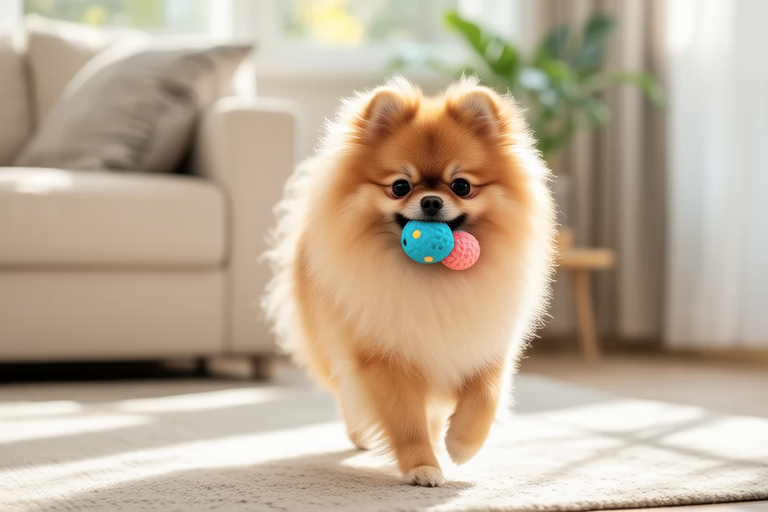
5 Secrets to Keeping Your Pomeranian Happy and Healthy at Home
Pomeranians are charming, intelligent, and playful little dogs that have captured the hearts of many pet lovers around the world. These tiny yet spirited companions require special attention to ensure they lead a happy and healthy life. As a responsible pet owner, you want to make sure your Pomeranian thrives in every aspect of their life, from physical health to emotional well-being. Here are five secrets to keeping your Pomeranian happy and healthy at home.
1. Proper Nutrition: The Foundation of Health
Just like humans, your Pomeranian’s diet plays a crucial role in maintaining their overall health. Providing them with the right nutrients ensures they have energy for playtime, strong bones, and a robust immune system. When selecting food for your Pomeranian, it’s essential to look for high-quality ingredients and avoid cheap fillers that may cause digestive issues or allergies.
Choose Quality Dog Food: Opt for dog food that lists meat as the primary ingredient. Brands that offer grain-free options or those that use limited ingredients are often better choices for small breeds like Pomeranians. These diets are less likely to cause sensitivities or allergic reactions, which can be common in small dogs.
Monitor Portion Sizes: Pomeranians are prone to obesity, which can lead to joint problems, diabetes, and heart disease. Feeding your Pomeranian the correct portion sizes is key. Consult with your veterinarian to determine the ideal amount of food based on your dog’s age, weight, and activity level. It’s also important to avoid overfeeding treats, as they can quickly add up to unnecessary calories.
Hydration is Key: While ensuring your Pomeranian has access to clean water is obvious, it’s worth noting that some dogs might not drink enough on their own. If you notice your Pomeranian isn’t drinking enough water, try offering wet food or adding some low-sodium broth to their meals. This can help increase their fluid intake and keep them hydrated.
2. Regular Exercise Routines Suitable for Small Dogs
Exercise is vital for your Pomeranian’s physical and mental health. Despite their small size, Pomeranians are active and energetic dogs that need regular exercise to stay fit and healthy. However, it’s important to tailor their exercise routine to suit their small stature and prevent overexertion.
Short, Frequent Walks: Pomeranians don’t require long walks like larger breeds. Instead, short, frequent walks are ideal. Aim for two or three 15-minute walks each day. This will give your Pomeranian the opportunity to explore their surroundings, relieve themselves, and socialize with other dogs. Be mindful of the weather; avoid walking during extreme heat or cold, as these conditions can be dangerous for small dogs.
Interactive Play Sessions: In addition to walks, interactive play sessions are excellent for providing exercise and mental stimulation. Fetch, tug-of-war, and hide-and-seek are great games to engage your Pomeranian. These activities not only burn off excess energy but also strengthen the bond between you and your furry friend.
Supervised Free Play: Allow your Pomeranian to run around in a safe, enclosed area. A securely fenced backyard or a designated indoor space works well. Supervised free play allows your Pomeranian to burn energy and develop coordination. Always ensure the area is free from hazards, such as small objects that could be swallowed or sharp corners that might cause injury.
3. Mental Stimulation Activities to Keep Your Pomeranian Sharp
Like all dogs, Pomeranians thrive when mentally stimulated. Boredom can lead to destructive behavior, anxiety, and even depression. Engaging your Pomeranian’s mind with fun and challenging activities can prevent these issues and keep them happy and content.
Puzzle Toys: Puzzle toys are fantastic for mental stimulation. They challenge your Pomeranian to figure out how to get treats or kibble from the toy, providing both mental and physical engagement. Look for toys that vary in difficulty to keep things interesting and encourage problem-solving skills.
Training Sessions: Training is an excellent way to stimulate your Pomeranian’s mind while teaching them valuable commands. Start with basic obedience training, such as sit, stay, come, and down. As your Pomeranian masters these commands, introduce more advanced tricks, like roll over or shake. Positive reinforcement, such as treats and praise, should be used to encourage good behavior.
Novelty Objects: Introducing new objects into your Pomeranian’s environment can pique their curiosity and keep them engaged. Rotate toys regularly to prevent boredom and keep your Pomeranian interested in their surroundings. You can also incorporate scent-based games, where you hide treats around the house and let your Pomeranian sniff them out.
4. Grooming Needs: Maintaining a Healthy Coat and Skin
Pomeranians have a thick double coat that requires regular grooming to maintain its health and appearance. Proper grooming not only keeps your Pomeranian looking their best but also prevents skin irritations, mats, and hairballs.
Brushing Routine: Brush your Pomeranian’s coat at least twice a week to remove loose fur and prevent matting. Use a slicker brush or a pin brush to gently detangle their coat. During shedding season, which typically occurs in the spring and fall, you may need to increase brushing frequency to several times a week.
Bathing Frequency: Pomeranians don’t need frequent baths; bathing them too often can strip their skin of natural oils and lead to dryness. Bathe your Pomeranian every 6 to 8 weeks or as needed, depending on their activity level and odor. Use a gentle, hypoallergenic shampoo specifically formulated for dogs to avoid irritation.
Nail Trimming: Regular nail trimming is necessary to prevent overgrown nails, which can cause discomfort and interfere with your Pomeranian’s gait. Trim your Pomeranian’s nails every 4 to 6 weeks, or whenever you hear them clicking on hard surfaces. Be cautious not to cut the quick, which contains blood vessels and nerves. If you’re unsure about trimming your Pomeranian’s nails, consult a professional groomer or your veterinarian.
Tooth Care: Dental hygiene is crucial for your Pomeranian’s overall health. Plaque and tartar buildup can lead to gum disease, tooth decay, and bad breath. Brush your Pomeranian’s teeth at least three times a week using a toothbrush and toothpaste designed for dogs. Alternatively, provide dental chews or toys that promote oral health. Regular dental checkups with your veterinarian are also recommended.
5. Creating a Comfortable Living Environment
Your Pomeranian’s living environment plays a significant role in their happiness and well-being. By creating a safe, comfortable, and stimulating space, you can ensure your Pomeranian feels secure and content at home.
Dog-Friendly Spaces: Designate areas within your home where your Pomeranian can relax and feel safe. Provide a cozy bed or crate in a quiet corner of the house. Ensure these spaces are free from drafts and located away from high-traffic areas. Consider using soft blankets or cushions to make these areas inviting and comfortable.
Safe and Secure Outdoor Areas: If you have a yard, create a secure outdoor space where your Pomeranian can safely enjoy fresh air and sunshine. Install a sturdy fence to prevent escapes and potential accidents. Consider adding a small doghouse or shelter to provide shade and protection from harsh weather conditions.
Environmental Enrichment: Enhance your Pomeranian’s living environment with items that stimulate their senses and encourage exploration. Place interactive toys, treat-dispensing puzzles, and scratching posts in various locations around the house. Rotate these items periodically to keep your Pomeranian engaged and curious.
Consistent Routine: Establishing a consistent daily routine can help your Pomeranian feel secure and reduce stress. Feed them at the same time each day, take them on walks at regular intervals, and set aside time for play and training. Predictability provides comfort and reassurance for your Pomeranian, helping them feel more at ease in their home.
Conclusion
By focusing on proper nutrition, regular exercise, mental stimulation, grooming needs, and creating a comfortable living environment, you can ensure your Pomeranian leads a happy and healthy life. Remember, a healthy Pomeranian is not just physically fit but also emotionally balanced. With love, attention, and care, you can enhance the quality of life for both you and your cherished companion. Embrace these secrets to keep your Pomeranian thriving and enjoy the joy and companionship they bring into your home.
