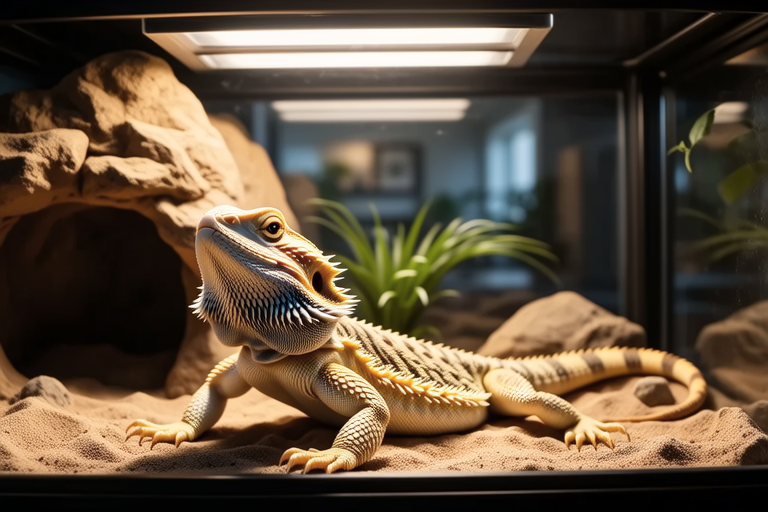
Transform Your Home into a Bearded Dragon Paradise: A Complete Guide
Welcome to the world of bearded dragons! These fascinating creatures make wonderful pets for those who appreciate unique and low-maintenance companions. This guide will help you create the perfect environment for your scaly friend, ensuring they live a healthy and happy life.
Understanding Bearded Dragon Needs
Before diving into the specifics of creating a habitat, it’s essential to understand what makes bearded dragons thrive. Bearded dragons (Pogona vitticeps) are native to the arid regions of Australia. They are diurnal, meaning they are active during the day, and require ample space to bask, explore, and hide. Their natural environment is characterized by high temperatures and low humidity, so replicating these conditions at home is crucial.
Setting Up the Perfect Habitat
Tank Size
The first step in creating a suitable habitat is choosing the right tank. For a single adult bearded dragon, a minimum tank size of 4 feet long, 2 feet wide, and 2 feet tall is recommended. This provides enough room for basking, climbing, and exploring. Juveniles can start in smaller enclosures but will need to be moved to larger tanks as they grow.
Lighting
Proper lighting is critical for bearded dragons’ health. They need UVB light to synthesize vitamin D3, which aids in calcium absorption. Choose a high-quality UVB bulb that covers at least 50% of the tank’s surface. Place the bulb close to the basking area to ensure optimal exposure. Replace the bulb every six months or according to the manufacturer’s recommendations, as UV output diminishes over time.
Temperature
Maintaining the correct temperature gradient within the tank is vital. Bearded dragons are ectothermic, meaning they rely on external heat sources to regulate their body temperature. Install a digital thermometer and multiple thermometers to monitor temperatures accurately. The basking spot should reach between 95°F and 110°F, while the cooler side of the tank should remain around 75°F to 85°F. Use a ceramic heat emitter or a basking lamp to achieve these temperatures.
Humidity
Bearded dragons come from dry environments, so maintaining low humidity levels is important. Aim for humidity between 30% and 40%. Excess moisture can lead to respiratory issues and skin infections. Use a hygrometer to measure humidity and ensure adequate ventilation in the tank.
Diet Essentials, Feeding Schedules, and Nutrition Tips
Diet
A balanced diet is key to a bearded dragon’s health. Offer a variety of insects such as crickets, dubia roaches, and waxworms. Dust these insects with a calcium supplement daily and a multivitamin once or twice a week. Vegetables like collard greens, mustard greens, and squash should also be part of their diet. Avoid iceberg lettuce, spinach, and rhubarb as they can be harmful.
Feeding Schedule
Young bearded dragons should be fed daily, with as many insects as they can eat in 15 minutes. Gradually decrease the frequency to three times a week as they mature. Offer vegetables daily, especially for adults, to promote digestive health. Always remove uneaten food to prevent spoilage.
Nutrition Tips
Ensure fresh water is available at all times. Use a shallow dish or a water bowl designed for reptiles. Monitor your dragon’s weight and appetite regularly. If you notice any changes, consult a veterinarian specializing in reptiles.
Regular Health Checks, Common Illnesses, and Grooming Advice
Health Checks
Schedule routine check-ups with a reptile veterinarian. Look out for signs of illness, such as lethargy, loss of appetite, or abnormal behavior. Regularly inspect your dragon’s skin and eyes for any signs of injury or infection.
Common Illnesses
Respiratory infections can occur if humidity levels are too high. Symptoms include wheezing, mucus discharge, and labored breathing. Metabolic bone disease results from calcium deficiency and presents as weak limbs and difficulty moving. Immediate veterinary care is necessary for both conditions.
Grooming and Handling
Gently brush your bearded dragon’s skin with a soft toothbrush to remove dirt and debris. Handle them gently, supporting their body and avoiding sudden movements. Familiarize yourself with proper handling techniques to prevent stress and injuries.
Enriching Their Environment
Provide enrichment through safe toys and accessories. Branches, rocks, and caves offer opportunities for climbing and hiding. Rotate these items periodically to keep the environment interesting. Avoid sharp or toxic objects that could harm your dragon.
Integrating a New Bearded Dragon into Your Home and Community
Welcoming a new bearded dragon involves careful preparation. Ensure the tank is fully set up before bringing your dragon home. Introduce them to their new environment gradually, allowing time for acclimation. Join local reptile clubs or online communities for support and advice from fellow enthusiasts.
Remember, owning a bearded dragon comes with significant responsibilities. Provide consistent care, attention, and a loving environment. With this guide, you’re well on your way to transforming your home into a bearded dragon paradise.
