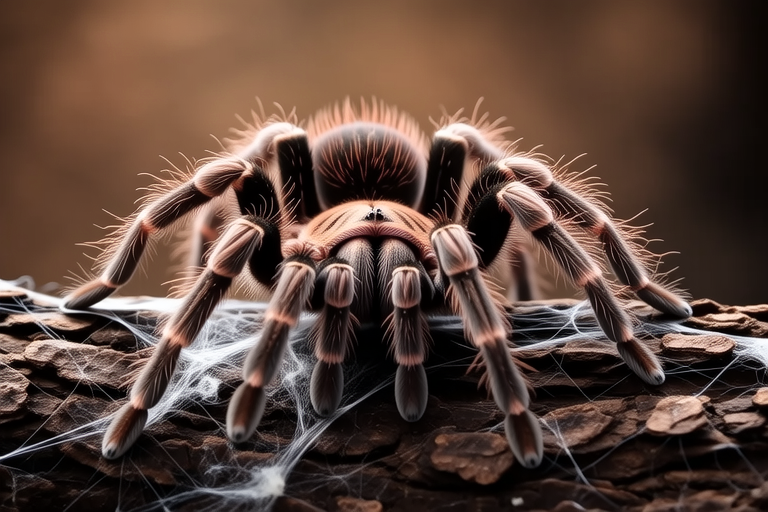
Creepy Yet Cute: Inside the World of Chilean Rose Tarantulas as Pets
The world of exotic pets is vast and varied, but one species that stands out for its unique blend of charm and mystery is the Chilean rose tarantula. These arachnids, scientifically known as Grammostola rosea, have captured the hearts of many pet enthusiasts with their manageable size, docile demeanor, and striking appearance. This article delves into the captivating world of Chilean rose tarantulas, exploring their unique appeal, essential care requirements, and the rewarding experience of owning these fascinating creatures.
A Unique Appeal
Chilean rose tarantulas are native to the deserts and scrublands of Chile, Argentina, and Peru. Their name comes from the rose-like coloration on their abdomens, which can range from light pink to deep red. Males often display more vibrant colors than females, making them particularly attractive to collectors. Despite their intimidating appearance, these tarantulas are relatively small, typically reaching a leg span of around 4 to 6 inches. This manageable size, combined with their generally docile nature, makes them ideal candidates for those interested in exotic pets.
Care Requirements
Habitat Setup
Creating an appropriate habitat is crucial for the well-being of your Chilean rose tarantula. A glass or plastic tank with a secure lid is recommended, ensuring that the enclosure is escape-proof while still allowing for proper ventilation. The tank should be spacious enough to accommodate the spider comfortably, with a minimum floor area of about 500 square inches for adults. Adding substrate such as coconut fiber or reptile bark to a depth of at least 3 inches provides a natural environment for burrowing, which is a favorite activity for these spiders.
Temperature and Humidity Levels
Maintaining the right temperature and humidity levels is vital for the health of your Chilean rose tarantula. The optimal temperature range is between 75°F and 85°F (24°C to 29°C), with nighttime temperatures slightly cooler, around 70°F (21°C). Humidity should be kept moderate, between 50% and 70%, to mimic their natural desert environment. Using a hygrometer to monitor humidity and a thermometer for temperature will help ensure that your pet’s enclosure remains within these parameters.
Diet
Feeding your Chilean rose tarantula a balanced diet is essential for their growth and longevity. In captivity, they primarily consume crickets, though they may also eat other insects like mealworms and dubia roaches. Juveniles should be fed smaller prey items every 5-7 days, while adults can be fed less frequently, approximately once every two weeks. It is important to gut-load the feeder insects with nutritious food before offering them to the tarantula to ensure optimal nutrition.
Handling Tips
Despite their docile nature, it is important to handle Chilean rose tarantulas with care. They are not known to bite humans unless provoked, but their urticating hairs can cause irritation if they feel threatened. Always wash your hands before and after handling your pet, and avoid sudden movements that might startle them. When handling, gently scoop them up from behind, supporting their body and legs carefully.
Behavior and Habits
Understanding the behavior and habits of Chilean rose tarantulas can enhance the bond between you and your pet. These spiders are primarily nocturnal, meaning they are most active during the night. During the day, they tend to remain hidden in their burrows, emerging only when it’s time to hunt or explore. Their reclusive nature means that they require minimal interaction, making them perfect for owners who enjoy observing rather than handling their pets.
Common Misconceptions
One of the most common misconceptions about tarantulas as pets is that they are aggressive and dangerous. While it is true that all tarantulas possess venom, the venom of the Chilean rose tarantula is mild and poses no significant threat to humans. Another misconception is that tarantulas require constant attention. In reality, they are solitary animals that thrive in environments where they can retreat into their burrows and maintain their privacy.
Choosing Healthy Specimens
Selecting a healthy Chilean rose tarantula is key to ensuring a long and happy life for your pet. Look for spiders that are active and alert, with no signs of injury or illness. Their exoskeleton should be intact and free from any discoloration or lesions. It is advisable to purchase from reputable breeders who can provide detailed information about the spider’s lineage and care history. Avoid purchasing wild-caught tarantulas, as they are often stressed and may carry parasites or diseases.
Safety Tips
Ensuring the safety of both your Chilean rose tarantula and yourself is paramount. Always supervise children when they are interacting with the pet, and educate them on the proper handling techniques. Keep the enclosure away from direct sunlight and drafts, as these can stress the spider. Additionally, it is wise to keep a first aid kit handy, including antihistamines and hydrocortisone cream, in case of allergic reactions to urticating hairs.
Rewarding Aspects
Owning a Chilean rose tarantula can be a deeply rewarding experience. Watching these creatures go about their daily routines, from constructing intricate burrows to capturing prey, offers a window into the fascinating world of arachnids. Their unique appearance and docile nature make them a joy to observe, and their low-maintenance care requirements allow owners to focus on providing the best possible environment for their pet. With proper care and attention, a Chilean rose tarantula can live for over 15 years, providing companionship and wonder for many years to come.
