Bearded Dragon Behavior: What Their Moves Really Mean
Understanding the behavior of your bearded dragon is crucial for providing them with the best possible care. These fascinating creatures communicate through a variety of gestures and actions that can indicate their mood, health, and intentions. By learning what these behaviors mean, you can better understand your pet’s needs and ensure they thrive in their environment. This guide will explore common bearded dragon behaviors, offer tips on interpreting them accurately, and provide advice on creating an ideal habitat for your scaly companion.
The Importance of Understanding Bearded Dragon Behavior
Bearded dragons are social animals that exhibit a wide range of behaviors to express themselves. From head bobs to beard puffing, each action has a specific meaning. Recognizing these signals helps you respond appropriately, whether it’s adjusting their diet, checking for signs of illness, or simply bonding over playtime. Moreover, understanding your bearded dragon’s behavior fosters a stronger bond between you and your pet, making caring for them more enjoyable and fulfilling.
Common Behaviors and Their Meanings
Head Bobbing
One of the most noticeable behaviors in bearded dragons is head bobbing. This movement involves the dragon lowering its head close to the ground before rapidly raising it back up. Head bobs serve multiple purposes depending on the context:
- Mating Display: Male bearded dragons often perform head bobs to attract females during mating season. It’s their way of showing off their strength and dominance.
- Defensive Posture: If another male enters the territory or if the dragon feels threatened, head bobs may also act as a warning sign. The intensity of the bobbing increases with perceived danger.
Beard Puffing
When a bearded dragon puffs out its throat, it’s displaying its “beard.” This behavior is usually associated with stress, aggression, or territoriality. A fully inflated beard appears dark and intimidating, which serves as a deterrent against potential threats. However, some dragons might puff their beards out even when relaxed, so it’s essential to consider other accompanying behaviors for accurate interpretation.
Arm Waving
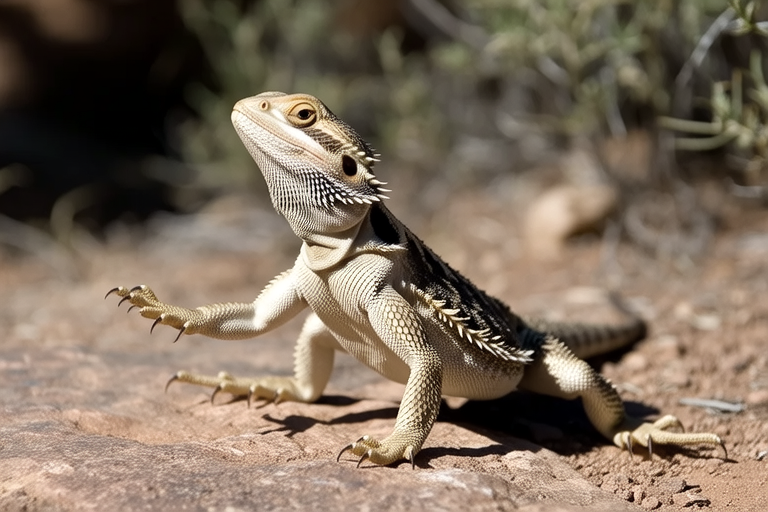
Arm waving, where one front leg is raised and slowly waved back and forth, is another intriguing behavior seen in bearded dragons. Primarily observed in younger individuals, this gesture typically indicates submission or a desire for attention. It can also be used by males to signal interest in a female during courtship.
Body Language Indicating Mood and Health
In addition to specific movements like head bobs and beard puffing, bearded dragons convey their emotional state through general body posture and color changes:
- Relaxed State: A calm, relaxed bearded dragon will have smooth skin and may bask lazily under heat lamps. They might also stretch out their legs or lie on their stomachs.
- Stress or Illness: Signs of distress include wrinkled skin, lethargy, or hiding more frequently than usual. Discoloration—such as pale patches appearing on otherwise healthy-looking scales—can also indicate underlying health issues.
Tips for Interpreting Bearded Dragon Behaviors Correctly
While recognizing different behaviors is important, interpreting them accurately requires considering the overall context. Here are some guidelines to help you understand your bearded dragon better:
- Observe Consistently: Spend time observing your dragon regularly so you can notice subtle changes in behavior. Pay attention to patterns and triggers that accompany certain actions.
- Consider Age and Gender: Different age groups and genders display unique behavioral traits. For example, younger dragons tend to wave their arms more often compared to adults.
- Look at the Environment: External factors such as temperature, lighting, and presence of other animals (including humans) can influence how your dragon behaves.
Creating an Environment That Encourages Positive Behavior
To encourage positive interactions and promote healthy behavior in your bearded dragon, it’s vital to create an appropriate living space:
Temperature and Lighting
Bearded dragons require precise environmental conditions to thrive. Maintain a gradient of temperatures within their enclosure, ensuring cooler areas for resting and warmer spots for basking. Use UVB lighting to support calcium absorption and overall bone health. Proper temperature regulation helps prevent stress-related behaviors like excessive beard puffing.
Social Interaction
Although bearded dragons are generally solitary creatures, they still appreciate gentle handling from their owners. Establish a routine that includes regular interactions but avoid overwhelming your pet with too much attention at once. Gradually increase handling sessions as your dragon becomes comfortable.
Enrichment Activities
Providing mental stimulation through enrichment activities can reduce boredom and promote natural behaviors. Offer hiding spots, climbing structures, and toys designed specifically for reptiles. Rotate these items periodically to keep things interesting for your dragon.
Conclusion
By delving into the world of bearded dragon behavior, we gain valuable insight into our pets’ lives and needs. From head bobs to arm waves, every movement tells a story about their emotions and intentions. With this knowledge, you can become a more attentive caretaker, responding promptly to any concerns while fostering a strong relationship built on trust and mutual respect. Remember, creating a stimulating yet safe environment plays a significant role in encouraging positive behaviors and enhancing the well-being of your beloved bearded dragon.
