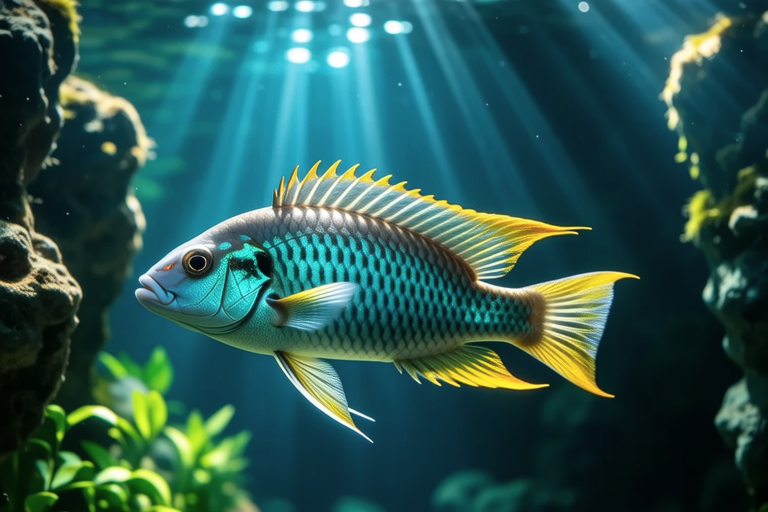
Rajah Cichlid Ownership Guide: Tips for Thriving Underwater Royalty
Welcome to the ultimate guide for aspiring underwater kings and queens – the Rajah Cichlid! This guide will provide you with all the necessary information to ensure your Rajah Cichlid thrives in its new aquatic home. From setting up the perfect tank to understanding their dietary needs and breeding habits, this comprehensive guide will help you become an expert in Rajah Cichlid care.
Understanding the Rajah Cichlid
The Rajah Cichlid, scientifically known as Aequidens rivulatus, is a captivating fish native to South America. With its vibrant colors and striking patterns, it’s no wonder why many aquarists are drawn to this species. However, owning a Rajah Cichlid requires more than just a pretty face; it demands careful planning and attention to detail.
Ideal Tank Setup
Tank Size and Decorations
To create an environment that mimics their natural habitat, Rajah Cichlids require ample space. A minimum tank size of 75 gallons is recommended for a single Rajah Cichlid, but if you plan on keeping multiple specimens or adding other fish, a larger tank of at least 125 gallons is advised. This extra space provides the necessary territory for each fish, reducing stress and potential conflicts.
In terms of decorations, it’s important to include plenty of hiding spots such as caves, rocks, and driftwood. These elements not only enrich the visual appeal of the aquarium but also offer refuge for the Rajah Cichlids when they feel threatened or need a place to rest. Additionally, providing open swimming areas is crucial, as these fish enjoy exploring and patrolling their territory.
Filtration and Maintenance
Effective filtration is essential for maintaining optimal water quality. A high-quality canister filter or a combination of sponge filters and powerheads can help keep the water clean and oxygenated. Regular water changes (approximately 20% weekly) are also vital to remove toxins and maintain stable water conditions.
Proper maintenance involves monitoring water parameters closely. Ammonia and nitrite levels should be kept at zero, while nitrate levels should be maintained below 20 ppm. pH levels should range between 6.5 and 7.5, and hardness should be moderate to soft, around 5-12 dGH.
Water Parameters
Maintaining the correct water parameters is crucial for the well-being of your Rajah Cichlids. They thrive in slightly acidic to neutral water with a temperature range of 74°F to 82°F (23°C to 28°C). It’s important to use a reliable thermometer to monitor the temperature accurately.
Regular testing of water parameters using test kits for ammonia, nitrite, nitrate, pH, and hardness is highly recommended. This ensures that any changes in water chemistry are addressed promptly, preventing potential health issues.
Dietary Needs
Rajah Cichlids are omnivorous and require a balanced diet to stay healthy. In the wild, they feed on a variety of foods including insects, small crustaceans, plant matter, and algae. To replicate this diet in captivity, offer a mix of high-quality pellets, flakes, and frozen or live foods such as bloodworms, brine shrimp, and daphnia.
It’s important to vary their diet regularly to provide essential nutrients. Feeding them once or twice daily is sufficient, but avoid overfeeding as excess food can lead to poor water quality. Additionally, incorporating vegetables like blanched spinach or zucchini can help balance their nutritional intake.
Breeding Habits
When it comes to breeding Rajah Cichlids, patience and preparation are key. First, ensure that the pair has reached sexual maturity, which typically occurs around one year of age. A breeding tank with a sandy substrate and plenty of hiding places is ideal for creating a safe and comfortable environment for spawning.
Once the pair is ready, they will begin to establish a territory and prepare the spawning site. The female will lay her eggs on a flat surface, usually a rock or slate, and the male will fertilize them. Both parents take turns guarding the eggs until they hatch after about three days. After hatching, the fry will remain attached to the substrate for a few more days before becoming free-swimming.
During this time, it’s crucial to provide the parents with plenty of hiding spots to prevent cannibalism. Once the fry are free-swimming, they can be fed newly hatched brine shrimp or microworms. As they grow, gradually introduce crushed flake food and other appropriate sized foods.
Common Health Issues
Like any other fish, Rajah Cichlids are susceptible to various health issues. One of the most common problems is ich, a parasitic infection characterized by white spots on the fish’s body. Maintaining good water quality and performing regular water changes can help prevent ich outbreaks.
Another issue to watch out for is fin rot, which manifests as frayed or disintegrating fins. This condition is often caused by poor water quality or physical damage. Treating fin rot typically involves improving water conditions and using medications specifically designed for bacterial infections.
Preventative measures such as quarantining new fish before introducing them to the main tank, conducting regular water tests, and providing a balanced diet can go a long way in maintaining the health of your Rajah Cichlids.
Tank Mates Compatibility
Choosing compatible tank mates for your Rajah Cichlids is essential for maintaining harmony within the aquarium. Due to their territorial nature, it’s best to avoid housing them with smaller or more docile species that may become prey. Instead, consider robust and aggressive species that can hold their own in the tank.
Some suitable tank mates include other cichlids, large tetras, and catfish. It’s important to research each potential tank mate thoroughly to ensure they have similar water parameter requirements and temperaments. Always introduce new fish slowly and observe their interactions closely to prevent conflicts.
Behavioral Insights
Rajah Cichlids are known for their active and curious behavior. They are constantly exploring their surroundings and establishing territories within the tank. While they can be territorial, they are generally peaceful towards non-aggressive tank mates.
During feeding times, they exhibit a fascinating display of dominance. The strongest fish often takes control of the food source, while others must wait their turn. This behavior is part of their natural instinct to assert dominance within the group.
Providing adequate hiding spots and ensuring there is enough space for each fish to establish its territory can help minimize aggression and promote a harmonious environment.
Conclusion
Owning a Rajah Cichlid is a rewarding experience that requires dedication and knowledge. By following the tips outlined in this guide, you’ll be well on your way to creating a thriving environment for your underwater royalty. Remember, each fish is unique, so pay close attention to their individual needs and behaviors. With proper care and attention, your Rajah Cichlids will bring joy and beauty to your aquarium for years to come.
