Everything You Need to Know Before Welcoming a Dutch Dwarf Rabbit
Introduction to Dutch Dwarf Rabbits: Origin, Appearance, and Temperament
The Dutch Dwarf Rabbit is a charming breed known for its small size and distinctive markings. Originating from the Netherlands in the early 20th century, this breed was developed by crossing various dwarf breeds with the Dutch Rabbit. The result is a compact, robust rabbit with a docile temperament and an endearing appearance.
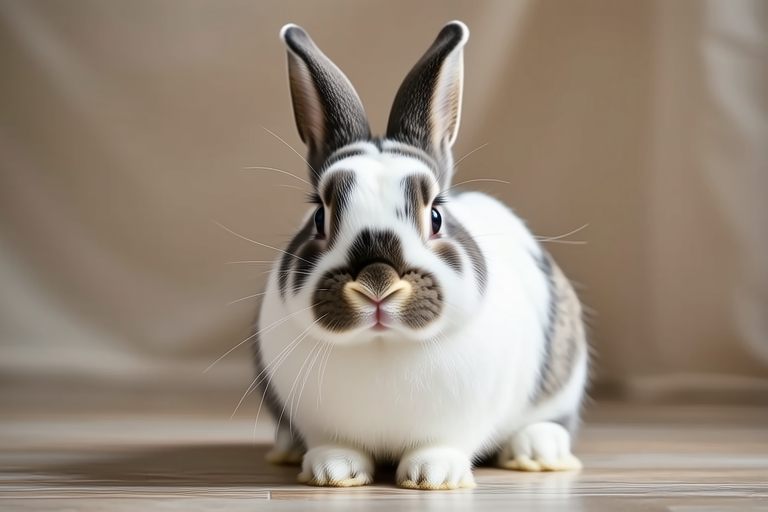
Dutch Dwarfs typically weigh between 1.5 to 2.5 pounds and have a compact body with short legs. Their most notable feature is their dual-color coat, which consists of a white base with a colored belt that encircles their middle. These rabbits come in a variety of colors, including black, blue, chocolate, and lilac.
In terms of temperament, Dutch Dwarfs are generally friendly, curious, and social animals. They are often described as being more energetic than other dwarf breeds, making them ideal companions for owners who enjoy interactive playtime. However, they can also be somewhat independent, so it’s important to provide them with plenty of mental and physical stimulation to keep them happy and healthy.
Housing Requirements: Ideal Living Spaces, Bedding Materials, and Environmental Enrichment
When it comes to housing your Dutch Dwarf Rabbit, you’ll want to ensure that they have a comfortable, safe environment that meets all their needs. The ideal living space for a Dutch Dwarf is a spacious cage or enclosure that allows them ample room to move around and explore. A minimum size of 3 feet by 4 feet is recommended, but larger is always better.
Bedding is another crucial aspect of their habitat. Opt for soft, absorbent materials like shredded paper, hay, or commercial rabbit-safe bedding. Avoid pine or cedar shavings, as these can irritate your rabbit’s respiratory system. Change the bedding regularly to maintain cleanliness and prevent odor buildup.
To enrich your rabbit’s environment, provide toys, tunnels, and chewable items. This will help stimulate their natural instincts and keep them entertained. Consider adding platforms, ramps, or hideaways to encourage exploration and provide a sense of security. Regularly rotate toys to prevent boredom and keep your rabbit engaged.
Dietary Needs: Recommended Foods, Portion Sizes, and Feeding Schedules
A proper diet is essential for maintaining the health and well-being of your Dutch Dwarf Rabbit. Their diet should consist primarily of high-quality timothy hay, which should make up about 80% of their daily intake. Hay provides necessary fiber for digestion and helps wear down their continuously growing teeth.
In addition to hay, offer a small amount of fresh vegetables daily. Suitable options include leafy greens like romaine lettuce, kale, and spinach. Limit fruits and starchy vegetables, as these can lead to digestive issues if consumed in excess. Provide a limited amount of pellets formulated specifically for rabbits, ensuring they meet nutritional standards set by organizations like the Association of American Feed Control Officials (AAFCO).
Portion sizes should be adjusted based on your rabbit’s age, weight, and activity level. As a general guideline, offer 1/4 cup of pellets per 2 pounds of body weight daily. Fresh water should be available at all times, either through a sipper bottle or a heavy ceramic dish to prevent tipping.
Health Care: Common Health Issues, Vaccination Needs, and Grooming Practices
Like any pet, Dutch Dwarf Rabbits require regular veterinary care to stay healthy. Common health issues include dental problems, gastrointestinal disorders, and respiratory infections. Regular check-ups with a veterinarian experienced in exotic animal care can help catch and address these issues early.
Vaccinations are generally not required for indoor rabbits, but it’s important to discuss specific needs with your vet based on your location and circumstances. Parasite control, including routine deworming and flea prevention, is also crucial.
Grooming plays a significant role in maintaining your rabbit’s health and appearance. Brush your rabbit weekly to remove loose fur and prevent hairballs. During shedding seasons, more frequent brushing may be necessary. Trim their nails every few weeks to prevent overgrowth and discomfort. Bathing is usually unnecessary unless your rabbit gets particularly dirty, as it can stress them out.
Socialization and Training: Interaction Tips, Bonding Techniques, and Basic Training Methods
Dutch Dwarfs are social creatures that thrive on interaction with their human families. Spend time handling and playing with your rabbit daily to build trust and strengthen your bond. Use treats as positive reinforcement during training sessions to encourage good behavior.
Bonding techniques involve spending quiet, calm time together in a neutral space. Let your rabbit approach you at their own pace, offering treats and gentle petting as rewards. Once your rabbit feels comfortable, introduce more interactive activities like supervised playtime outside their enclosure.
Basic training methods include teaching your rabbit simple commands such as coming when called or using a litter box. Start with small, achievable goals and reward successful attempts with praise and treats. Consistency is key, so practice regularly to reinforce desired behaviors.
Adoption Considerations: Choosing a Reputable Breeder or Rescue, Initial Setup Costs, and Long-Term Commitment
When adopting a Dutch Dwarf Rabbit, consider whether you prefer a breeder or a rescue organization. Reputable breeders will provide detailed information about the rabbit’s lineage, health history, and temperament. Rescues offer wonderful opportunities to give a second chance to a deserving animal, though they may require additional attention due to past trauma or neglect.
Initial setup costs can vary depending on the quality and quantity of supplies needed. Expect to spend approximately $100-$300 on the basics, including a cage, bedding, food, and toys. Ongoing expenses include food, litter, veterinary care, and grooming supplies.
Before bringing home a Dutch Dwarf Rabbit, carefully consider the long-term commitment involved. Rabbits can live 8-12 years, requiring consistent care, attention, and financial investment throughout their lifespan. Ensure you’re prepared for this responsibility before making the decision to adopt.
Conclusion: Encouragement for Responsible Rabbit Ownership and Resources for Further Learning
Welcoming a Dutch Dwarf Rabbit into your home is a rewarding experience that brings joy and companionship. By providing proper care, attention, and enrichment, you can ensure your rabbit lives a long, healthy, and happy life. Remember that responsible rabbit ownership involves commitment, patience, and ongoing education.
For further learning, consult books, online forums, and local rabbit clubs. Organizations like the House Rabbit Society and the American Rabbit Breeders Association offer valuable resources and support for rabbit owners. With dedication and knowledge, you’ll be well-equipped to provide the best possible life for your Dutch Dwarf Rabbit.
