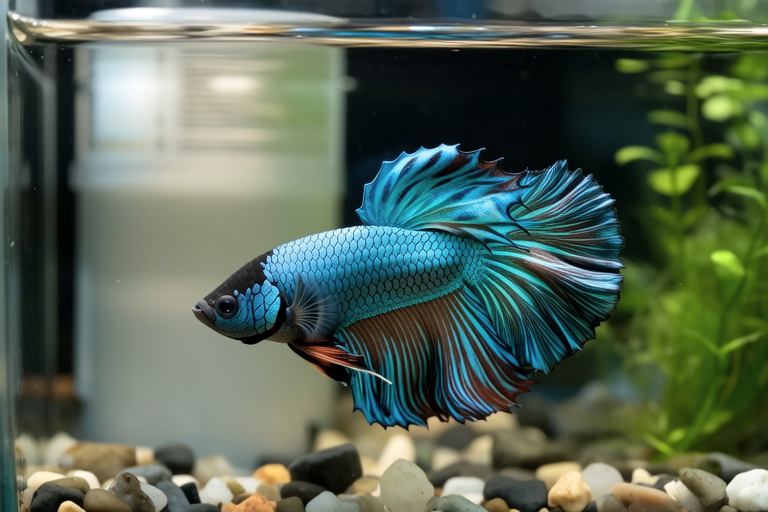
Common Mistakes New Betta Owners Make—and How to Avoid Them
Welcome to the vibrant world of Betta fish! Known for their striking colors and flowing fins, Bettas are a popular choice for many first-time aquarists. However, these beautiful creatures have specific needs that must be met to ensure they live long, healthy lives. Before diving into the common mistakes new Betta owners make, let’s briefly explore what makes Betta fish so unique.
The Unique Needs of Betta Fish
Betta fish, also known as Siamese fighting fish, are native to the shallow waters of Thailand and neighboring countries. They are labyrinth fish, which means they can breathe atmospheric air through a specialized organ called the labyrinth. This adaptation allows them to thrive in oxygen-poor environments. Despite their ability to survive in less-than-ideal conditions, providing optimal living conditions significantly improves their health and longevity.
Common Mistakes New Betta Owners Make—and How to Avoid Them
Mistake #1: Inadequate Tank Size
Why It’s Harmful: Many new owners believe that Betta fish can thrive in small containers like vases or bowls. While Betta fish can survive in smaller spaces, they require more room than most people realize. A cramped environment limits their swimming space and can lead to stress, fin damage, and other health issues.
How to Avoid It: Invest in a tank that is at least 2.5 gallons in size. This provides ample space for your Betta to swim comfortably and helps maintain better water quality. Additionally, ensure the tank has a filter to keep the water clean and oxygenated. A larger tank also allows for easier temperature regulation, which is crucial for Betta health.
Mistake #2: Poor Water Quality Maintenance
Why It’s Harmful: Maintaining proper water quality is vital for any aquatic pet. Betta fish are particularly sensitive to changes in water chemistry, and poor water quality can lead to stress, disease, and even death. Common issues include high ammonia levels, fluctuating pH, and insufficient oxygenation.
How to Avoid It: Regular water changes are essential. Aim to change about 25% of the water weekly. Use a high-quality aquarium water conditioner to remove chlorine and chloramine from tap water. Test the water regularly for ammonia, nitrite, and pH levels. Keep the pH between 6.5 and 7.5 and ammonia and nitrite levels at zero. Proper filtration and aeration will help maintain stable water conditions.
Mistake #3: Overfeeding
Why It’s Harmful: Overfeeding can lead to obesity, swim bladder problems, and water pollution. Excess food decays in the tank, increasing the risk of bacterial infections and other diseases. It also stresses the filtration system and can lead to cloudy water.
How to Avoid It: Feed your Betta only what it can consume in two minutes. Provide a balanced diet consisting of high-quality pellets or flakes designed for tropical fish. Supplement with occasional treats like frozen bloodworms or brine shrimp. Remove any uneaten food after feeding to prevent contamination of the water.
Mistake #4: Ignoring Temperature Fluctuations
Why It’s Harmful: Betta fish prefer water temperatures between 78°F and 82°F (25°C to 28°C). Sudden or prolonged exposure to temperatures outside this range can stress your Betta, weaken its immune system, and increase susceptibility to disease. Extreme cold can cause lethargy, while heat can lead to rapid breathing and even death.
How to Avoid It: Invest in a reliable aquarium heater to maintain a constant temperature. Place the heater near the filter intake to ensure even distribution of warmth. Monitor the temperature daily and adjust the heater if necessary. Avoid placing the tank near windows, doors, or air conditioning units where temperature fluctuations are common.
Mistake #5: Neglecting Decorative Items
Why It’s Harmful: While decorative items like plants and ornaments add aesthetic appeal to the tank, they can also pose risks to your Betta. Sharp edges or small openings can trap or injure your fish. Additionally, overcrowded tanks can lead to stress and competition for resources.
How to Avoid It: Choose decorations carefully. Opt for smooth, rounded pieces that won’t scratch or snag your Betta’s delicate fins. Provide plenty of hiding spots and open swimming areas. Live or silk plants can enhance the environment while offering natural retreats. Ensure there’s enough space for your Betta to swim freely without feeling confined.
Maintaining a Healthy Betta Environment
Creating and maintaining a healthy environment for your Betta requires consistent effort and attention. Here are some general tips to ensure your Betta thrives:
- Regular Water Changes: Change 25% of the water weekly to remove waste and maintain water quality. Always use a water conditioner to treat tap water before adding it to the tank.
- Proper Filtration: Choose a filter that matches the size of your tank. Filters help remove debris, control algae growth, and keep the water oxygenated.
- Daily Observation: Spend a few minutes each day observing your Betta’s behavior and appearance. Early signs of illness or distress can often be detected during routine checks.
- Healthy Diet: Provide a varied diet that includes high-quality pellets, flakes, and occasional treats. Avoid overfeeding and remove uneaten food promptly.
- Stress-Free Environment: Minimize disturbances around the tank, especially during feeding times. Avoid sudden loud noises or bright lights that can startle your Betta.
Remember, a Betta’s well-being is directly linked to its environment. By providing a clean, spacious, and enriching habitat, you’re setting the stage for a happy, healthy fish. With proper care and attention, your Betta can enjoy a long and vibrant life.
