5 Essential Tips for Keeping Your Bearded Dragon Happy and Healthy at Home
Welcome to the wonderful world of bearded dragon ownership! These fascinating reptiles can make delightful pets when cared for properly. In this article, we’ll explore five essential tips that will help ensure your bearded dragon remains happy and healthy at home. Whether you’re a first-time owner or have been keeping these lizards for years, there’s always something new to learn about providing the best care possible.
1. Habitat Setup: Creating a Comfortable Environment
The first step in ensuring your bearded dragon’s happiness and health is setting up a proper habitat. A well-designed enclosure mimics their natural environment, which helps them thrive. Start by selecting an appropriately sized tank; adult bearded dragons require at least a 40-gallon tank. The enclosure should include a substrate like reptile carpet or non-particle bedding, as loose substrates can pose choking hazards.
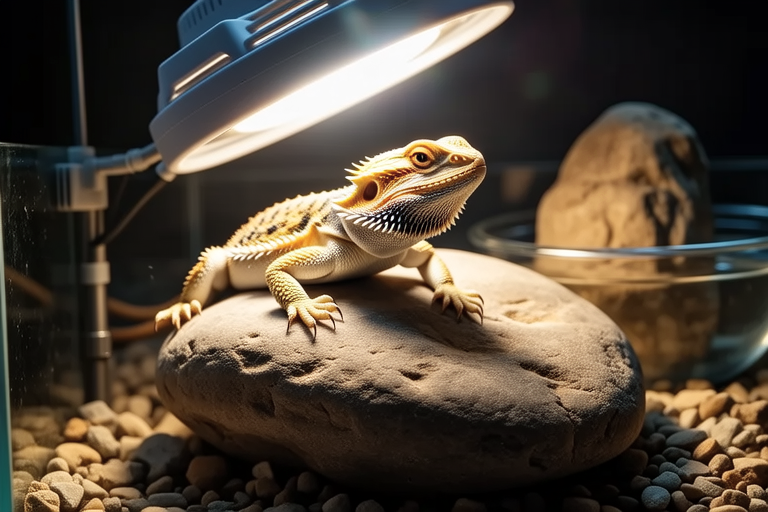
In addition to the substrate, add branches and rocks for climbing and basking. Be sure to place these items securely so they don’t shift or fall unexpectedly. Provide hiding spots such as caves or small boxes, allowing your dragon to retreat when feeling stressed or needing privacy. Proper lighting is crucial; install UVB bulbs to promote calcium absorption and prevent metabolic bone disease. Remember to change the bulb every six months for optimal effectiveness.
2. Temperature Control: Maintaining Optimal Conditions
Bearded dragons are ectothermic, meaning they rely on external sources for body heat regulation. Establishing a temperature gradient within the enclosure ensures your pet can thermoregulate effectively. Maintain a basking spot between 95°F and 110°F (35°C – 43°C) using a ceramic heat emitter or spotlight. Ensure the cooler end of the tank stays around 75°F to 85°F (24°C – 29°C).
Invest in a reliable thermometer to monitor temperatures accurately. Consistent monitoring helps prevent overheating or chilling, both of which can lead to serious health issues. Additionally, consider using a timer for lights and heaters to maintain a consistent day-night cycle, usually set to 12 hours of light followed by 12 hours of darkness. This schedule simulates natural daylight patterns, promoting better overall health.
3. Diet Recommendations: Nourishing Your Bearded Dragon
A balanced diet is key to maintaining your bearded dragon’s health. Offer a mix of insects and vegetables daily. Feed juveniles smaller prey items like crickets, dubia roaches, or hornworms twice a day, while adults may eat once or twice daily. Dust the insects with a calcium supplement before feeding to support strong bones and muscles.
Vegetables should form half of your dragon’s diet. Include leafy greens like collard greens, mustard greens, and dandelion leaves. Avoid iceberg lettuce and spinach due to their low nutritional value and potential to cause calcium deficiencies. Occasionally provide fruits as treats, but limit intake since they contain high sugar levels.
Proper feeding habits also involve gut-loading feeder insects. This means feeding the insects nutritious foods like carrots, sweet potatoes, or commercial insect diets before offering them to your dragon. Gut-loaded insects offer higher nutritional value, contributing to your pet’s overall health.
4. Hydration Tips: Ensuring Adequate Water Intake
While bearded dragons primarily obtain moisture from their food, it’s still important to provide fresh water daily. Place a shallow dish filled with clean water at the cooler end of the tank. Some dragons will drink directly from the dish, while others prefer to lap water droplets off surfaces after misting.
Misting the enclosure several times a week encourages drinking behavior and maintains humidity levels. However, avoid over-misting, as excessive moisture can lead to respiratory infections. Monitor your dragon’s hydration status by checking its skin elasticity and stool consistency. If dehydration becomes an issue, consult a veterinarian for guidance.
5. Handling Techniques: Building a Strong Bond
Proper handling techniques foster trust and strengthen the bond between you and your bearded dragon. Always wash your hands before and after handling to minimize the risk of introducing bacteria. Support your dragon’s body fully, especially around the abdomen and tail, to prevent injury.
Handle your pet gently and calmly, avoiding sudden movements or loud noises that might startle it. Initially, sessions should be short, gradually increasing duration as your dragon becomes more comfortable. Regular interaction promotes positive associations, making future handling easier and more enjoyable for both you and your pet.
Conclusion
Caring for a bearded dragon involves creating a stimulating environment, maintaining ideal temperatures, providing nutritious meals, ensuring adequate hydration, and practicing safe handling methods. By following these tips, you’ll create an enriching home for your scaly friend, ensuring its long-term happiness and well-being.
We hope you found these tips helpful in enhancing your bearded dragon’s quality of life. Share your experiences or ask questions in the comments below. Let’s continue learning together and support one another in our journey of responsible reptile ownership.
