The Fascinating Journey Of How Fancy Rats Became Popular Pets
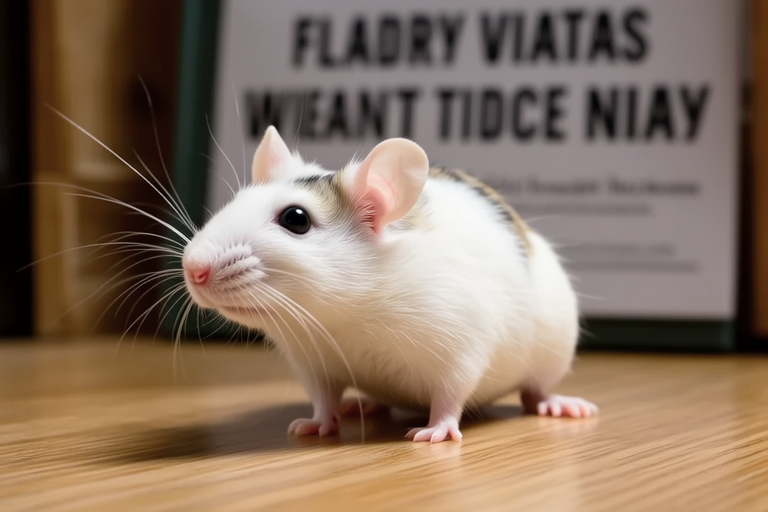
Fancy rats, often mistaken for their wild cousins, are a distinct breed known for their docile nature, intelligence, and unique charm. These domesticated rodents are descendants of the brown rat (Rattus norvegicus), but they are far removed from the stereotype of dirty, disease-ridden pests. In fact, fancy rats are clean, social creatures that thrive on human interaction and mental stimulation. This article delves into the intriguing history of how these intelligent animals transitioned from laboratory specimens to cherished pets, highlighting their remarkable qualities and dispelling common misconceptions.
Dispelling Misconceptions
One of the most pervasive myths about rats is that they are carriers of diseases. While it’s true that wild rats can carry pathogens, fancy rats, which are bred in controlled environments, pose no greater health risk than other small pets like hamsters or guinea pigs. Another misconception is that rats are aggressive and unsuitable as pets. On the contrary, with proper handling and socialization, fancy rats are gentle, affectionate animals that enjoy interacting with humans.
Origins and Early History
The journey of fancy rats began centuries ago when their ancestors were first domesticated. It is believed that the process of domestication started around the 17th century when European sailors brought rats aboard their ships. Over time, these animals adapted to living alongside humans, eventually becoming the foundation for the modern fancy rat. Initially, they were used primarily for research purposes due to their biological similarities to humans. However, over the years, their intelligence and adaptability caught the attention of people outside the scientific community.
In the early 19th century, fanciers began selectively breeding rats to enhance desirable traits, leading to the emergence of various color patterns and physical characteristics. By the mid-20th century, rats had become popular in rodent shows, where enthusiasts showcased their beautifully groomed pets. The British Royal Society for the Prevention of Cruelty to Animals (RSPCA) even held its first rat show in 1895, marking the beginning of organized rat breeding competitions.
Transition to Pet Status
The shift from laboratory animals to beloved pets was gradual and multifaceted. As more people became aware of the rats’ gentle demeanor and high intelligence, they began to appreciate them as companions rather than mere research subjects. One pivotal moment in this transition occurred in the 1960s when the American Fancy Rat & Mouse Association (AFRMA) was established. This organization played a crucial role in promoting responsible breeding practices and educating the public about the benefits of keeping fancy rats as pets.
The AFRMA introduced standardized breed standards and encouraged ethical breeding practices, ensuring that rats were healthy and well-socialized. This emphasis on quality breeding helped improve the overall reputation of fancy rats, making them more appealing to potential pet owners. Additionally, advancements in veterinary care and the development of specialized diets further contributed to their growing popularity.
Key Factors Behind Their Popularity
Fancy rats have several attributes that make them ideal pets. Their intelligence is one of the most notable features; they are quick learners and can be trained to perform tricks and respond to commands. Many owners report that their rats can recognize their names and even come when called. For instance, Sarah Thompson, a first-time pet owner, shares her experience: “My rat, Oliver, learned to fetch treats from my hand within just a few weeks. He’s incredibly smart and enjoys interacting with me.”
Another significant factor is their trainability. With patience and consistency, owners can teach their rats to use litter boxes, walk on leashes, and even perform simple tricks. This level of interaction fosters a strong bond between the owner and the pet, enhancing the overall pet-keeping experience. Furthermore, rats are highly social animals that thrive in pairs or small groups. They enjoy playing together and grooming each other, which contributes to their well-being.
Despite their small size, fancy rats possess unique personalities that make them fascinating companions. Some are adventurous and curious, while others are more reserved and cautious. Regardless of their temperament, they all exhibit endearing behaviors that captivate their owners. For example, Emily Chen, who has owned rats for five years, notes, “Each of my rats has its own distinct personality. One is always climbing, another loves to burrow, and the third enjoys lounging in my lap.”
Anecdotes and Case Studies
Case studies and personal stories provide valuable insights into the lives of fancy rat owners. Take John Doe, a single professional living in New York City, who adopted two rats after losing his cat. He found that caring for rats provided him with companionship and stress relief. “They’re low-maintenance and don’t require much space,” he explains. “Plus, they’re incredibly entertaining and always keep me company.”
Another inspiring story comes from Jane Smith, a retired teacher who volunteers at a local animal shelter. She uses her extensive knowledge of rats to help educate children about responsible pet ownership. “I’ve seen firsthand how much joy and responsibility owning a rat can bring,” she says. “It’s rewarding to see young people learn about these amazing animals and develop a love for them.”
Current Trends and Future Prospects
Today, fancy rats continue to gain popularity among pet owners worldwide. According to recent surveys, the number of households keeping fancy rats has increased steadily over the past decade. This growth can be attributed to factors such as improved breeding practices, increased awareness of their suitability as pets, and the availability of resources for new owners.
As the demand for fancy rats grows, so does the variety of products available for their care. From gourmet food options to specialized habitats, there is now a wide range of accessories designed to meet the needs of both rats and their owners. Moreover, online communities and forums have emerged, providing support and information for those interested in keeping fancy rats.
Looking ahead, the future looks promising for fancy rats as pets. Advances in genetic research may lead to even healthier and longer-lived breeds, while ongoing education efforts will likely expand the base of potential owners. Additionally, continued advocacy for responsible pet ownership will ensure that fancy rats remain valued members of many households.
In conclusion, the journey of fancy rats from laboratory animals to beloved pets is a testament to their intelligence, trainability, and unique personalities. By dispelling common misconceptions and highlighting their positive attributes, we hope to inspire more people to consider these charming creatures as potential companions. Whether you’re a seasoned pet owner or a newcomer to the world of small animals, fancy rats offer a rewarding and enriching experience that is sure to bring joy and companionship into your life.
